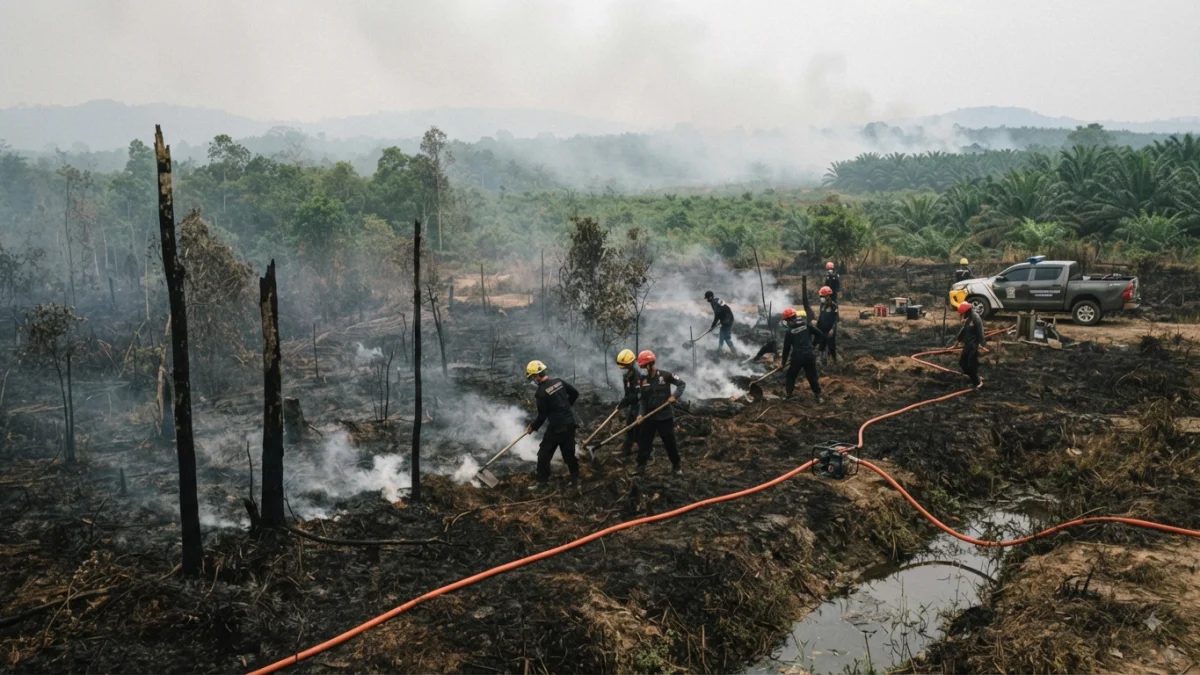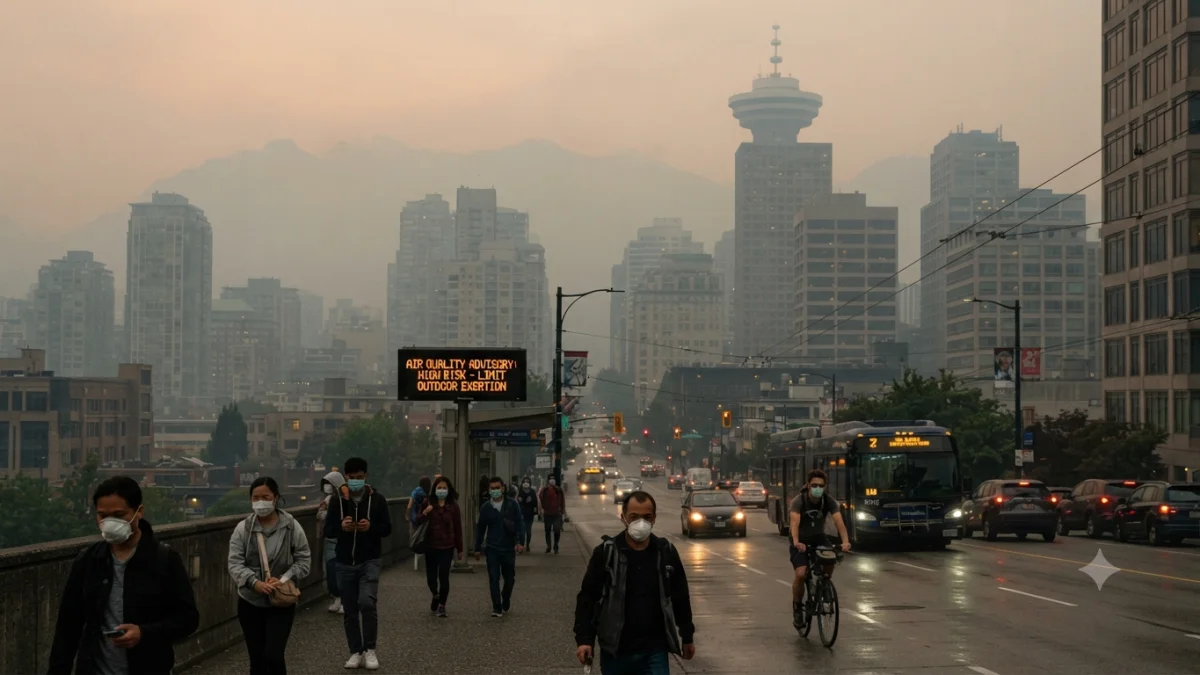


WASHINGTON — Wildfire smoke is driving air-quality warnings across parts of North America as fires burn in western Canada and the northwestern United States, renewing concerns about respiratory and other health risks from fine-particle pollution that can travel far beyond the flames.
Health authorities say wildfire smoke can affect anyone, with children, older adults, pregnant people and those with heart or lung conditions facing greater risks. The U.S. Environmental Protection Agency said in updated 2026 guidance that smoke exposure can contribute to respiratory problems and other health effects, while advising people to reduce exposure when air quality deteriorates.


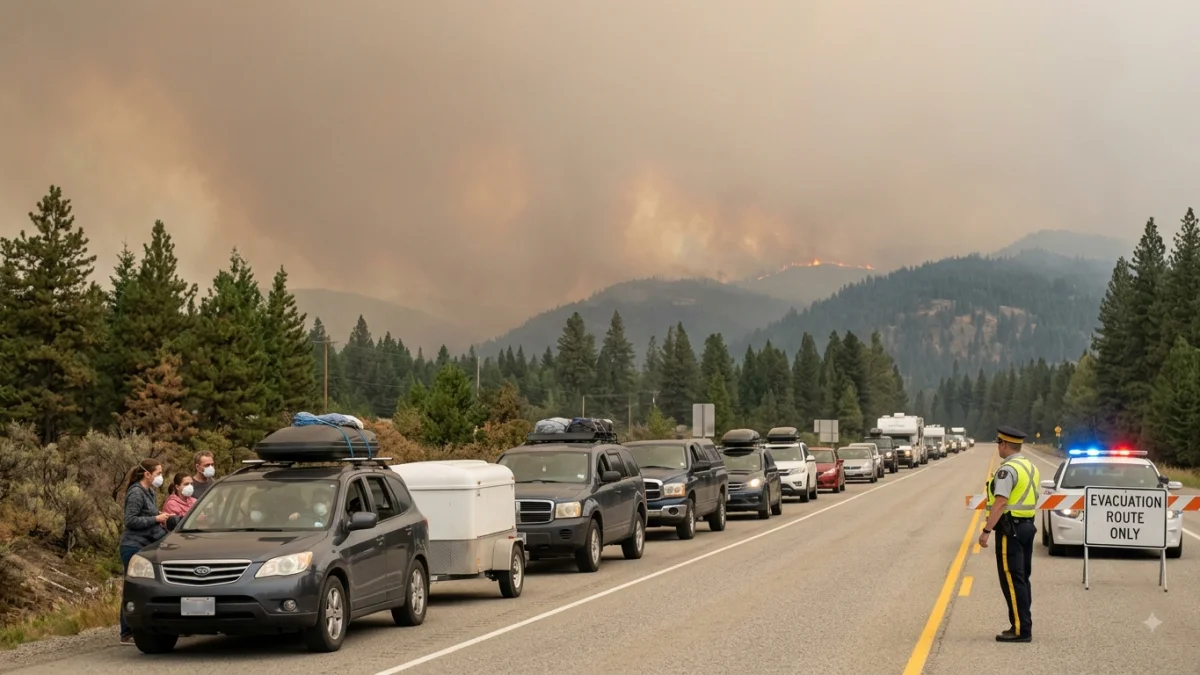
Recent smoke episodes have affected communities across the U.S. Pacific Northwest and western Canada. Oregon authorities issued air-quality advisories as wildfire smoke affected several counties, while smoke also moved across the Puget Sound region. In British Columbia, a fast-moving wildfire forced more than 20,000 people to evacuate this week as authorities declared a state of emergency.
The health concern extends beyond areas immediately threatened by fire because smoke can travel hundreds or even thousands of kilometres. The U.S. Centers for Disease Control and Prevention says wildfire smoke can reach communities far from burning areas and can make anyone sick, while people with certain underlying conditions are more vulnerable.
Scientific evidence has increasingly linked wildfire-derived fine particulate matter, known as PM2.5, with adverse health outcomes. A systematic review and meta-analysis published in 2025, covering more than 124 million patients, found wildfire PM2.5 exposure was associated with higher risks of respiratory hospital admissions, emergency-department visits and all-cause mortality. Researchers said evidence concerning cardiovascular effects remained less conclusive.
The U.S. EPA's 2026 wildfire-smoke guidance, developed with the CDC, U.S. Forest Service and other agencies, says there is no identified PM2.5 concentration below which health effects have not been observed. It recommends limiting exposure, particularly during unhealthy, very unhealthy or hazardous air-quality conditions.
Officials continue to monitor smoke conditions as weather and fire behavior change. Air-quality agencies in affected regions are advising residents to check local pollution forecasts and reduce outdoor exposure when smoke levels rise.