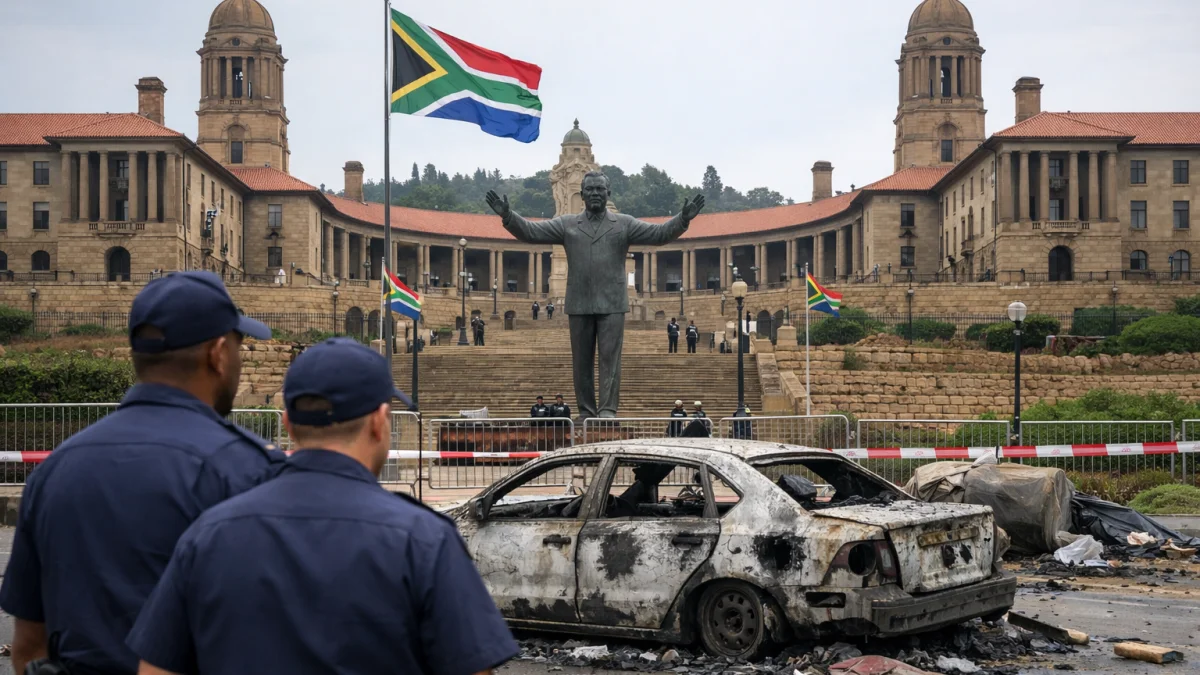


JOHANNESBURG — Recent xenophobic attacks on foreign nationals in South Africa have drawn international criticism and raised concerns about the country’s image across the African continent, officials and rights groups said.
Vigilante groups and protesters targeted African and Asian migrants in several cities during April and May 2026, leading to reported deaths, injuries, displacement and property damage, Human Rights Watch said on May 20.


The violence has prompted diplomatic responses from affected countries. Mozambique reported that five of its citizens were killed in xenophobic attacks over the weekend of May 31 to June 1, with authorities working to repatriate others, according to statements from the Mozambican government. South African police attributed some deaths in Mossel Bay to the unrest.
Groups such as March and March organized demonstrations against undocumented migrants in Johannesburg, Pretoria and Durban. These actions sometimes turned violent, with reports of assaults on foreign-owned shops and individuals, the rights organization stated. A June 30 deadline for undocumented foreigners to leave has been circulated by some campaigners.
“Public health risks are rising,” wait, correction based on verified reports: victims described attacks involving whips, pepper spray and other weapons during protests. A Cameroonian shop owner in Durban recounted being assaulted by a group that broke into his premises on April 17.
The United Nations Secretary-General António Guterres expressed concern over the reported harassment and attacks on April 27, calling for prompt investigations. The African Commission on Human and Peoples’ Rights issued a similar statement, urging accountability.
South African authorities have condemned the violence and launched immigration enforcement operations. Police reported thousands of arrests related to undocumented migrants in recent months. President Cyril Ramaphosa has called for solidarity with African neighbors while addressing irregular migration concerns through lawful means.
Foreign governments, including Ghana, Malawi, Zimbabwe and others, issued travel warnings or repatriation support for their nationals. Some countries summoned South African diplomats to register protests.
The incidents form part of a recurring pattern of xenophobic violence in South Africa, with previous major outbreaks in 2008, 2015 and subsequent years, according to historical records and rights monitors. Critics, including rights groups, have questioned the adequacy of prevention and prosecution efforts.
As of mid-June, thousands of Malawians and others remained displaced in temporary shelters in areas like Durban following the unrest. South African officials have emphasized that law enforcement is responsible for maintaining order and rejected vigilantism.
The government continues operations under a five-point plan announced earlier in June to strengthen border controls and deportations while coordinating with neighboring countries. International partners are monitoring the situation for potential further impacts on regional relations. Details on the total number of victims and arrests remain subject to ongoing verification, authorities said.