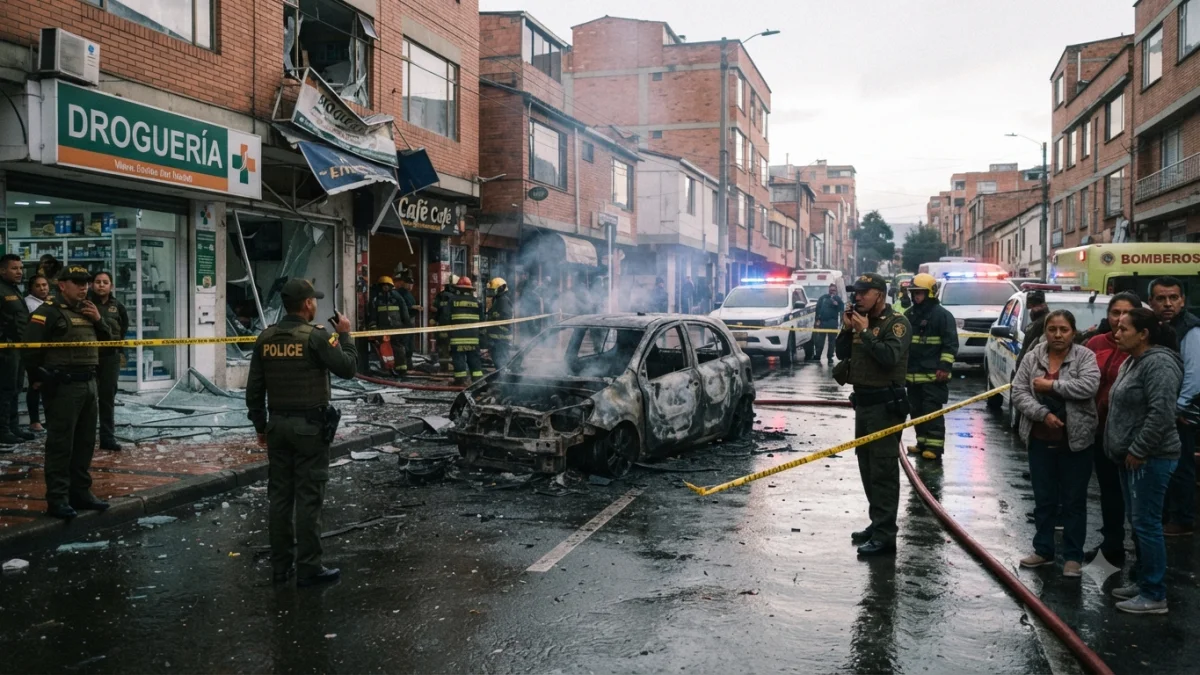


CALI, Colombia — A car bomb exploded at a toll plaza in southwestern Colombia on Saturday, injuring two security guards and damaging nearby property, the army said, one day after conservative President Abelardo de la Espriella was sworn into office.
The blast occurred on the Pan-American Highway, a major route connecting the departments of Cauca and Valle del Cauca, near Cali, which hosted Friday’s presidential inauguration. The army said the attack was carried out by dissident factions of the Revolutionary Armed Forces of Colombia (FARC) that rejected the 2016 peace agreement that ended the group’s decades-long insurgency.


According to the army, a vehicle was abandoned at the toll plaza before its occupant fled on a motorcycle. The two injured security guards suffered minor wounds, authorities said.
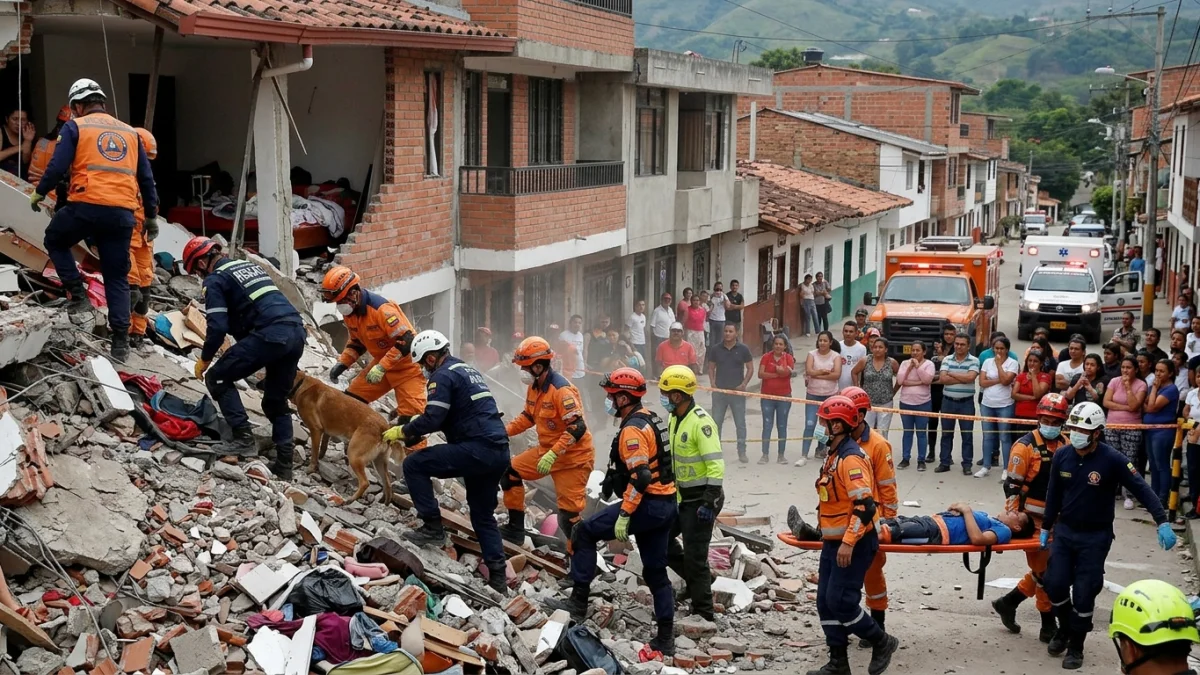
Soldiers secured the area after the explosion and used trained dogs to search for additional explosive devices, the army said. Debris from the vehicle, including its burned chassis, was scattered around the toll plaza.
The blast also damaged nearby homes. Residents living close to the site reported broken windows following the explosion, according to local authorities and witnesses cited by the Associated Press.
Cauca Governor Jorge Octavio Guzmán said the attack appeared to be part of a broader effort by armed groups to isolate the department and maintain territorial control. He described the violence as systematic, but authorities have not established publicly whether the attack formed part of a wider coordinated campaign.
Transportation Minister Elsa Noguera condemned the bombing and said authorities were working to restore traffic along the affected route.
The attack came as de la Espriella began his four-year term after narrowly defeating progressive senator Iván Cepeda in a June runoff. The 48-year-old lawyer and businessman, who had no previous political experience, campaigned on a hard-line security platform and has rejected the peace-dialogue strategy pursued by his predecessor, Gustavo Petro.
In his inaugural speech on Friday, de la Espriella warned illegal armed groups that they faced a choice between submitting to the rule of law and confronting the security forces, according to the army's account of the event.
The new administration also announced Saturday that 117 prisoners linked to previous peace negotiations had been transferred to eight maximum-security prisons. Colombia’s corrections agency said the move was intended to prevent criminal organizations from coordinating illicit activities from inside prisons.
Authorities had not reported any additional casualties from Saturday’s bombing as of the latest official updates.