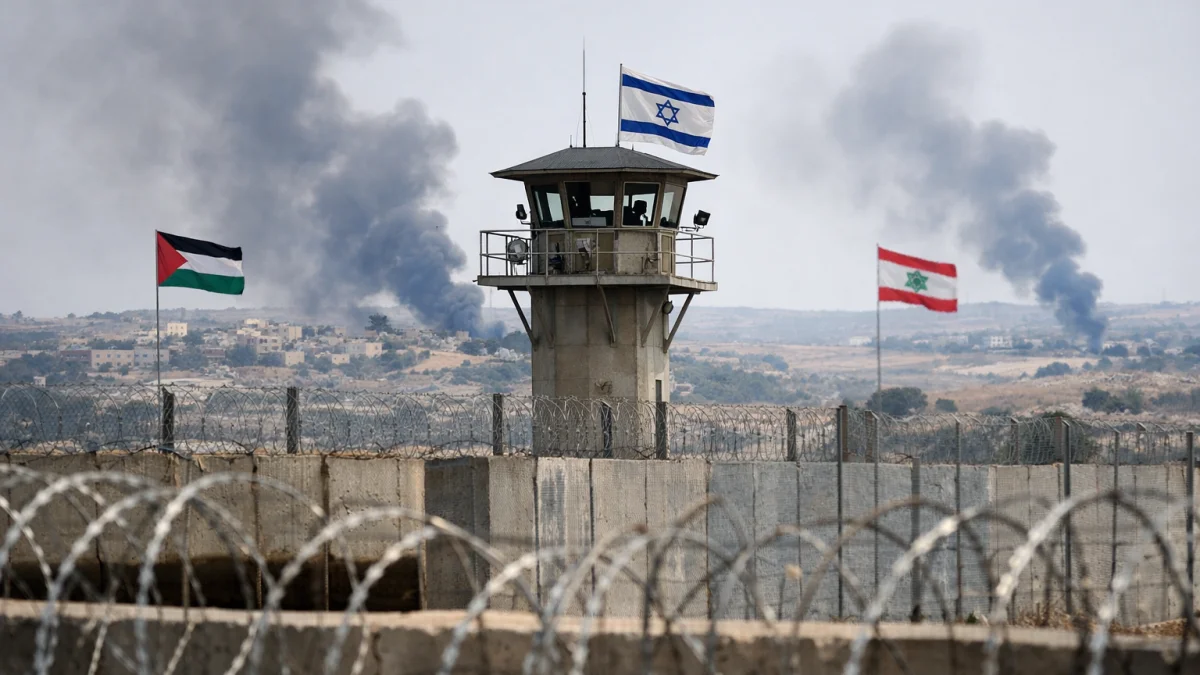


BEIRUT — Strains persisted in fragile ceasefires affecting Gaza and Lebanon as violations and disagreements between parties continued into early June 2026, according to officials and mediators involved in U.S.-brokered efforts.
In Gaza, a ceasefire that took effect in October 2025 has held with reduced hostilities, but implementation of subsequent phases has stalled amid repeated breaches and disputes over disarmament and Israeli withdrawal. In Lebanon, a renewed ceasefire agreement announced on June 3 between Israel and the Lebanese government came under immediate pressure after Hezbollah rejected key terms.


The Gaza ceasefire, part of a broader U.S.-mediated plan, led to an initial pause in major fighting, hostage releases and increased aid. However, more than 700 Palestinians and four Israelis have been killed in Gaza since October 2025, according to reports citing local authorities and Israeli sources. Progress on further stages, including Hamas disarmament and reconstruction, remains limited.
In Lebanon, the latest agreement was contingent on a complete cessation of attacks by Hezbollah and the evacuation of its operatives from areas south of the Litani River. The U.S. State Department described the deal as aiming to enable the Lebanese military to assume control in the south.
“Hezbollah rejected the truce deal announced the previous day and instead demanded a comprehensive truce and full withdrawal of Israel from Lebanon,” according to accounts of the group’s response.
Israeli forces continued strikes in southern Lebanon following the announcement, while Hezbollah vowed to respond to any violations. Officials said the Lebanese army would take responsibility for security zones, but implementation faced obstacles.
The Lebanon ceasefire built on an earlier April 2026 cessation of hostilities that had been extended multiple times. Violations have included exchanges of fire, with both sides accusing the other of breaches. The World Health Organization and Lebanese authorities previously reported hundreds killed in related incidents since earlier truces.
U.S. officials have described the agreements as steps toward de-escalation amid broader regional tensions, including links to developments involving Iran. Mediation efforts continued in Washington, but key parties including Hezbollah were not directly part of some negotiations.
In Gaza, challenges include stalled talks on prisoner exchanges, aid distribution and governance. Humanitarian conditions have improved in some areas but remain difficult, aid groups said.
As of June 7, no major new escalations were reported in immediate statements, but officials from multiple sides indicated ongoing monitoring. Further talks were expected in the coming days to address persistent differences over withdrawals and security arrangements. Details on specific timelines for full implementation remained unclear.
The situations in Gaza and Lebanon are interconnected with wider regional dynamics, with mediators urging adherence to existing frameworks to prevent further deterioration.