

Colombia’s response to its strongest earthquake of the 21st century is entering a critical phase as rescuers continue searching for survivors while the government tries to coordinate relief across some of the country’s most difficult-to-reach and vulnerable regions. The 7.4-magnitude earthquake struck western Colombia on Aug. 10, with the official death toll rising rapidly as assessments continued and reports from local authorities and civilian groups produced differing casualty figures.
The disaster is an early and unusually demanding test for President Abelardo de la Espriella, who took office only days before the earthquake. His government must simultaneously manage rescue operations, humanitarian relief, damaged infrastructure and public information while demonstrating that national institutions can reach communities where geography, poverty and armed conflict have historically complicated state access.


The scale of the disaster has made casualty reporting itself a challenge. The government reported at least 181 deaths and 2,595 injuries by Tuesday, while Reuters later reported a death toll of at least 254. Civilian databases have also produced substantially higher estimates of missing people than the government’s figure. Such discrepancies are common during the first days of a major disaster, particularly when communications fail and local authorities are still conducting searches. They nevertheless increase pressure on the government to establish a consistent national accounting system as rescue operations transition into recovery.
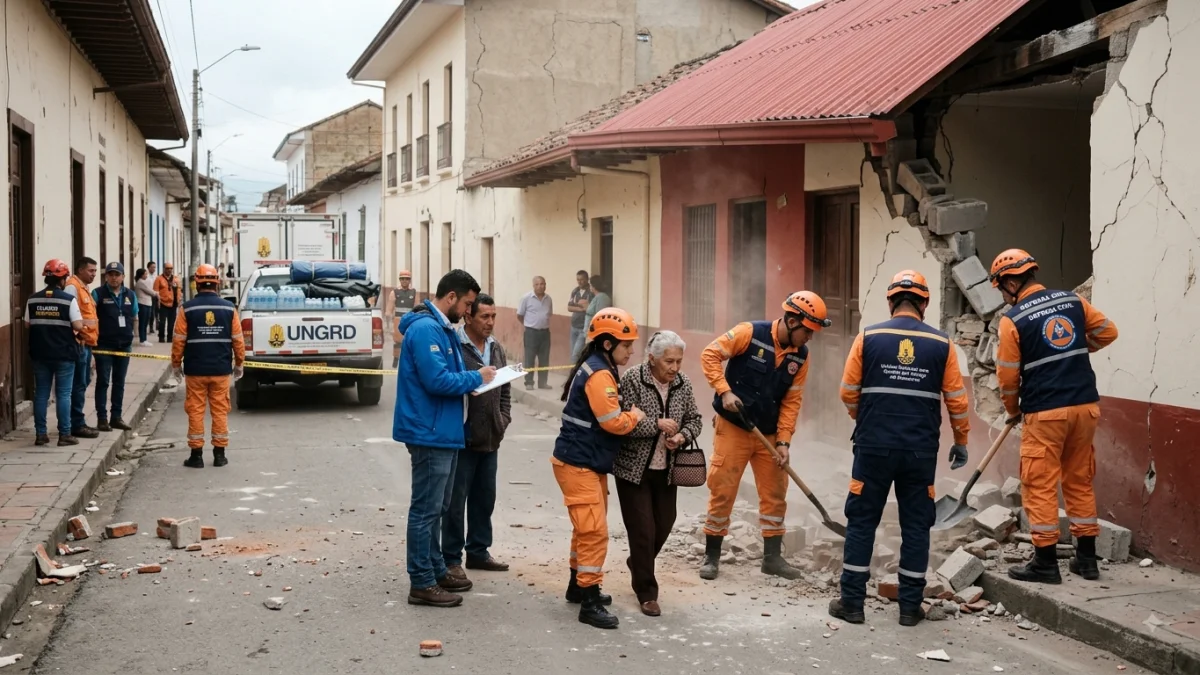
The earthquake struck near San José del Palmar in Chocó, while major damage was reported in Cali, Pereira, Manizales and Quibdó. More than 1,600 buildings were reported damaged in the initial assessment, including hospitals and other essential infrastructure. Roads, airports and communications networks have also been disrupted, making the movement of rescue equipment and relief supplies more difficult.
The geographical distribution of the damage matters as much as the magnitude of the earthquake. Chocó is among Colombia’s poorest and most isolated regions, with communities separated by difficult terrain and limited transport infrastructure. The International Federation of Red Cross and Red Crescent Societies had already identified remote access, damaged infrastructure and insecurity involving armed groups as recurring constraints on humanitarian operations in Colombia. Those existing weaknesses mean that the earthquake is not simply adding another emergency; it is placing additional demands on systems already operating under pressure.
At the same time, Colombia’s long-running humanitarian infrastructure could provide an advantage. Organizations working with communities affected by the country’s armed conflict already have personnel, logistical networks and local relationships in parts of Chocó and other affected areas. U.N. officials said that this established presence could allow humanitarian agencies to move more quickly than would otherwise be possible. That creates an important distinction between a disaster occurring in an area with little institutional presence and one occurring where humanitarian organizations already have operational networks.
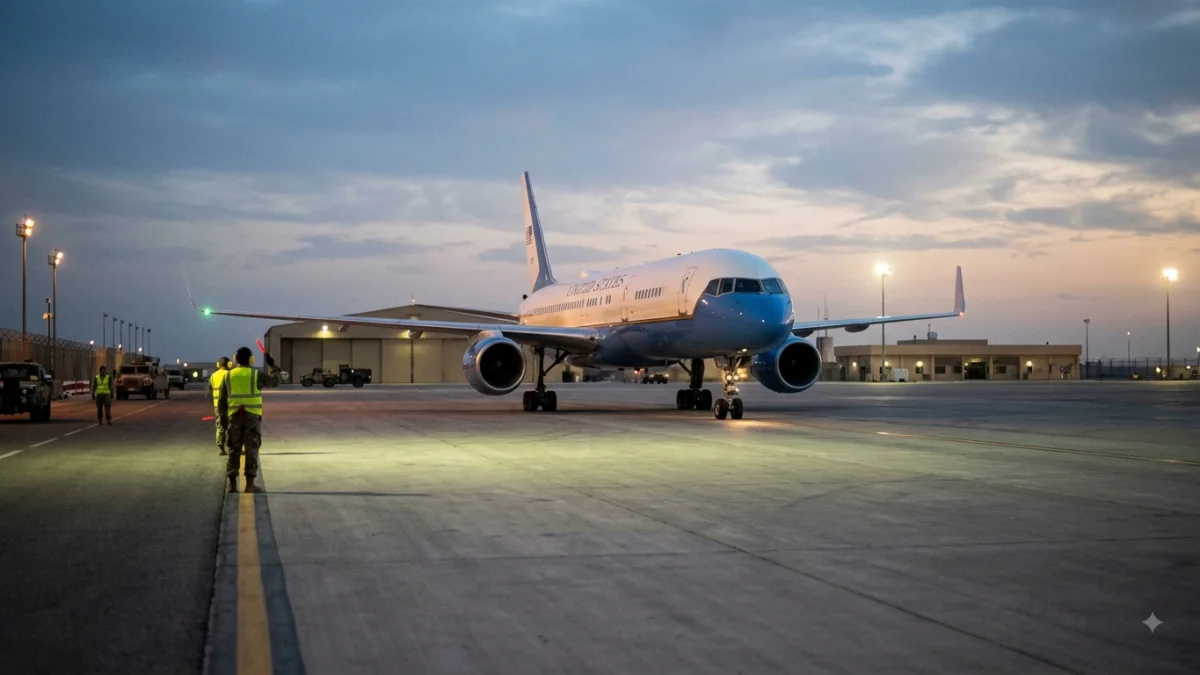
The government is also receiving assistance from abroad, reducing some of the immediate pressure on national resources. The United States has pledged more than $15 million, Mexico has offered search-and-rescue and medical personnel and El Salvador has announced plans to send humanitarian supplies. The European Union separately pledged 2 million euros for communities affected by the earthquake. The regional response illustrates how a national disaster can quickly become a multinational humanitarian operation, particularly when specialized rescue capacity and medical supplies are needed simultaneously.
For the new administration, however, international assistance does not remove the central test of domestic coordination. The government must determine where limited rescue teams, medical resources, transport capacity and emergency funding will have the greatest effect, while local governments are confronting immediate needs among displaced residents. Decisions made during the first days will also influence the transition from search and rescue to shelter, health care, reconstruction and restoration of essential services.
The earthquake also exposes the importance of preparedness beyond the immediate emergency. Colombia had already been dealing with multiple humanitarian pressures, including displacement, armed violence and climate-related disasters. In March, U.N. officials said more than 1.6 million people had been affected by violence in the previous year, while natural disasters had also displaced thousands and damaged homes. The earthquake therefore arrives in a country where emergency institutions are not operating from a position of unlimited capacity.
The immediate priority remains finding people who may still be alive beneath collapsed structures. As the initial rescue window narrows, authorities will also have to establish a reliable picture of deaths, injuries, displacement and infrastructure damage. The effectiveness of the response will increasingly be judged not only by the number of survivors rescued, but by whether aid reaches remote communities and whether national and local authorities can maintain accurate information as the emergency evolves.
For now, the confirmed picture remains fluid. Rescue teams are continuing operations in the hardest-hit areas, while government agencies and humanitarian organizations assess needs and coordinate incoming assistance. The main uncertainties are the final casualty count, the number of people still unaccounted for and the full extent of damage in remote communities. Authorities and aid agencies are monitoring those assessments, the condition of critical infrastructure and the continuing search for survivors as Colombia moves from the first emergency response toward a longer recovery effort.