

NEW YORK — Communities in several U.S. cities and towns are implementing measures to address incidents linked to the arrival of asylum seekers, including strains on local shelters, public safety concerns and social services, as officials report increased coordination between federal, state and local authorities amid ongoing immigration policy shifts.
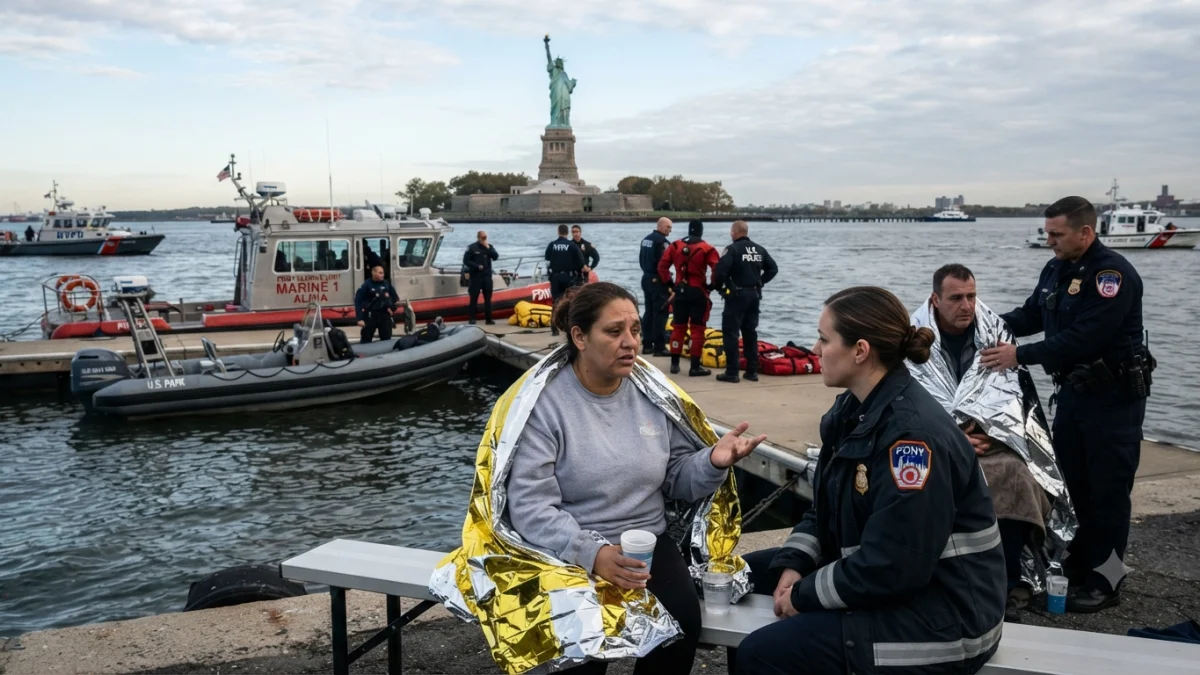
Local governments in places such as New York City, Chicago, Denver and Massachusetts have reported rising demands on emergency housing and support systems following shifts in federal asylum processing. Incidents involving overcrowding at shelters and occasional public disturbances have prompted responses ranging from additional funding allocations to community outreach programs.


In response, some municipalities have expanded temporary shelter capacity, partnered with nonprofit organizations and strengthened coordination with federal agencies on vetting and placement. Officials in affected areas have emphasized the need to balance humanitarian obligations with local resource limits.
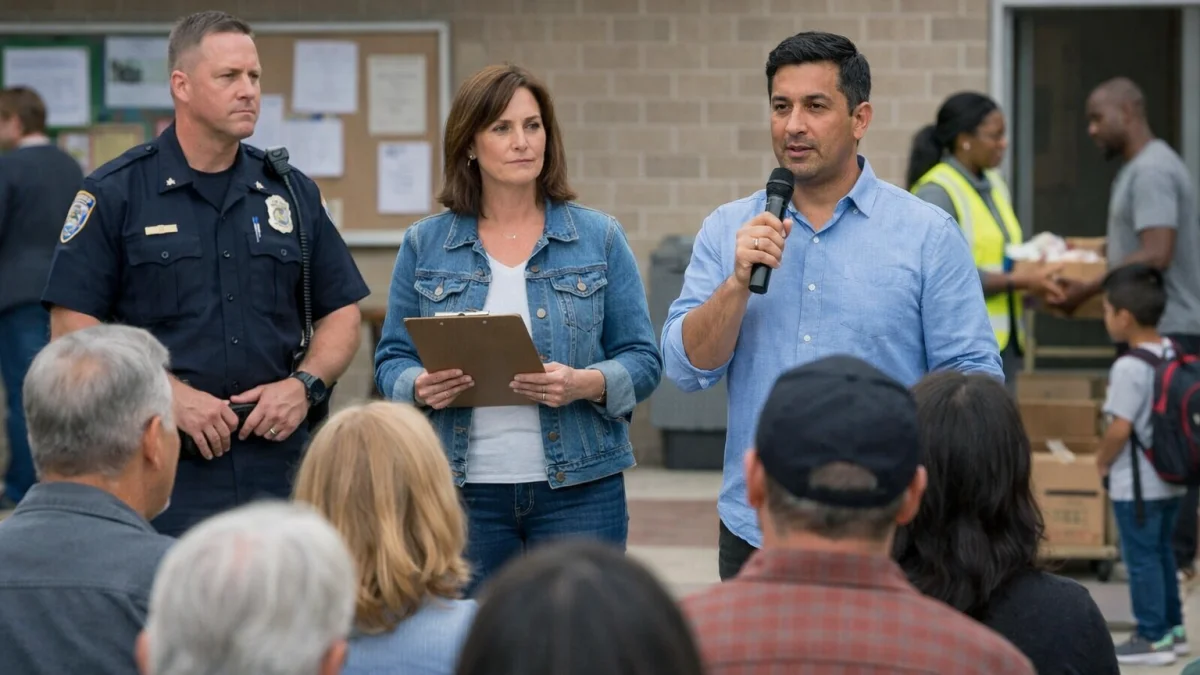
“Communities are working hard to provide support while managing the pressures on housing, schools and public safety,” a New York City official involved in migrant services said in a recent briefing.
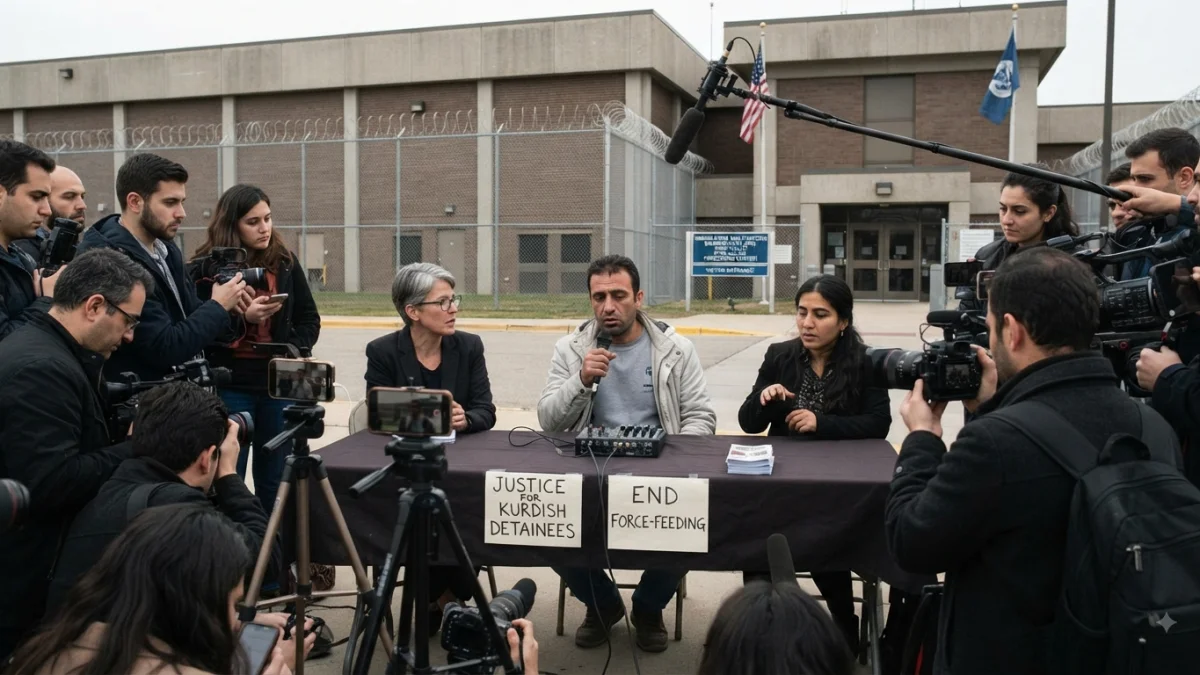
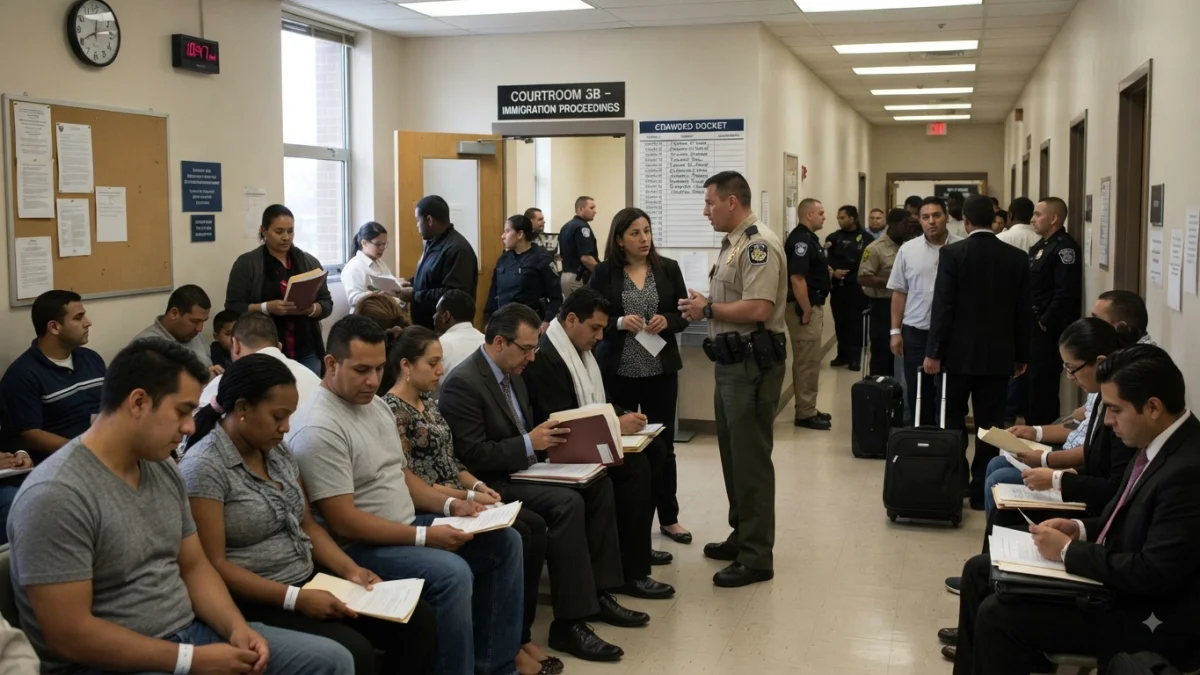
Advocates for asylum seekers have highlighted challenges including delays in work authorization and integration services, which they say can exacerbate tensions. At the same time, some residents and local leaders have voiced concerns about the pace of arrivals and impacts on community resources, leading to public meetings and protests in certain locations.
Federal policies in 2025 and 2026, including adjustments to asylum processing and resettlement programs, have influenced the flow and support available to new arrivals. Local authorities have called for greater federal assistance to offset costs associated with shelter, healthcare and security.
Efforts include expanded mental health and legal aid programs, as well as initiatives to promote social cohesion between newcomers and long-term residents. In some areas, faith-based and community groups have played key roles in providing direct assistance and fostering dialogue.
As of June 2026, the situation varies by locality, with some cities reporting stabilization through targeted interventions while others continue to face capacity challenges. Details on the overall scale of incidents or long-term outcomes remain subject to ongoing data collection by local and federal agencies. Officials said monitoring and collaborative responses would continue as conditions evolve.