

HAVANA — Cuba’s National Assembly unanimously approved a sweeping package of more than 175 economic reforms that would significantly expand the role of private enterprise and open key sectors to private and foreign investment, officials said.
The measures, backed by the Communist Party and former leader Raúl Castro, were passed on Thursday and represent one of the largest shifts in the country’s socialist economic model in decades. They include allowing private banks, permitting businesses to hire more than 100 employees, enabling entrepreneurs to own multiple firms, and facilitating the sale of stakes in state-owned enterprises to domestic and foreign investors.


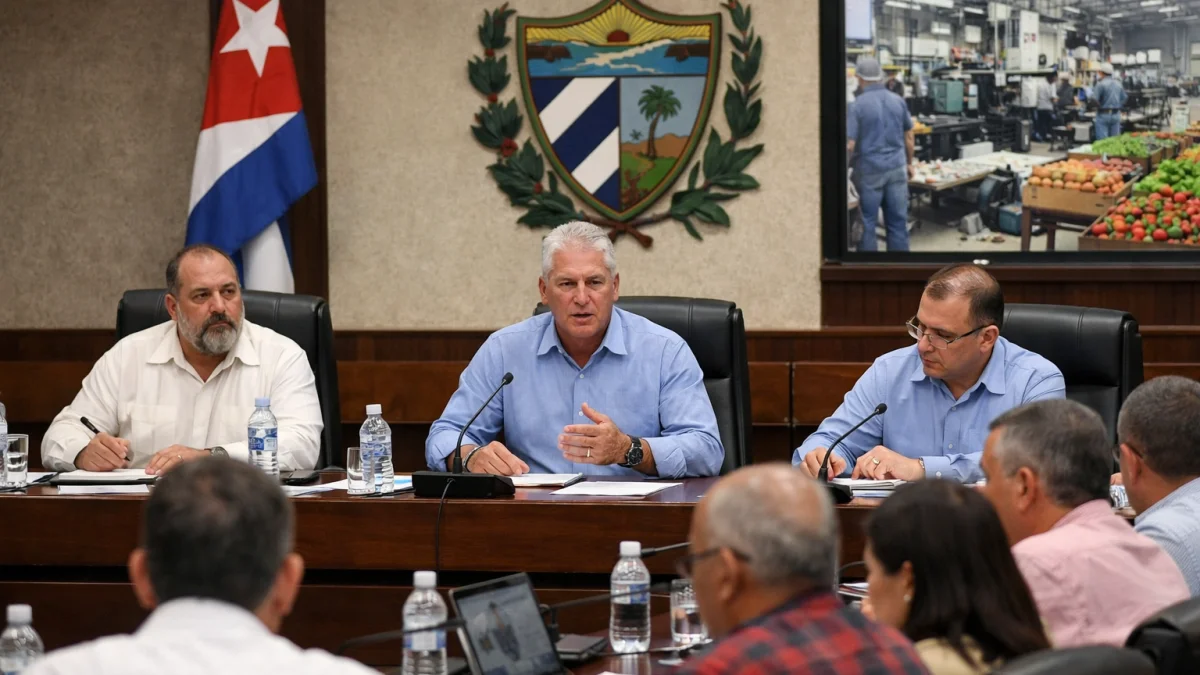
Prime Minister Manuel Marrero presented the package, which also covers private real estate development, greater autonomy for state enterprises, direct imports and exports by non-state actors, and measures to attract investment from Cubans living abroad. The reforms aim to address the island’s deepening economic crisis amid U.S. sanctions and shortages.
President Miguel Díaz-Canel and party officials have described the changes as pragmatic steps to improve efficiency while maintaining the socialist framework. “These initiatives are designed to strengthen the economy,” officials indicated during the parliamentary session, according to state media.
The package follows years of gradual openings to small private businesses but marks a more substantial rollback of state control in areas such as banking, energy and foreign trade. Observers have called it the most significant overhaul since the 1959 revolution, though implementation details remain subject to further regulatory development.
Cuba’s economy has faced severe challenges, including energy shortages and reduced access to fuel and goods. The government has cited U.S. sanctions as a major factor, while emphasizing that the reforms do not signal a departure from socialist principles.
Some analysts and external observers have expressed skepticism about the depth of change and potential impact on ordinary Cubans, noting the need for concrete execution. U.S. officials have described the measures as limited in scope.
As of Wednesday, the government was outlining next steps for rollout. Exact timelines for specific provisions, such as private banking operations or share sales in state firms, were not immediately detailed in public announcements. The National Assembly’s approval sets the stage for further regulatory actions by ministries and local authorities.