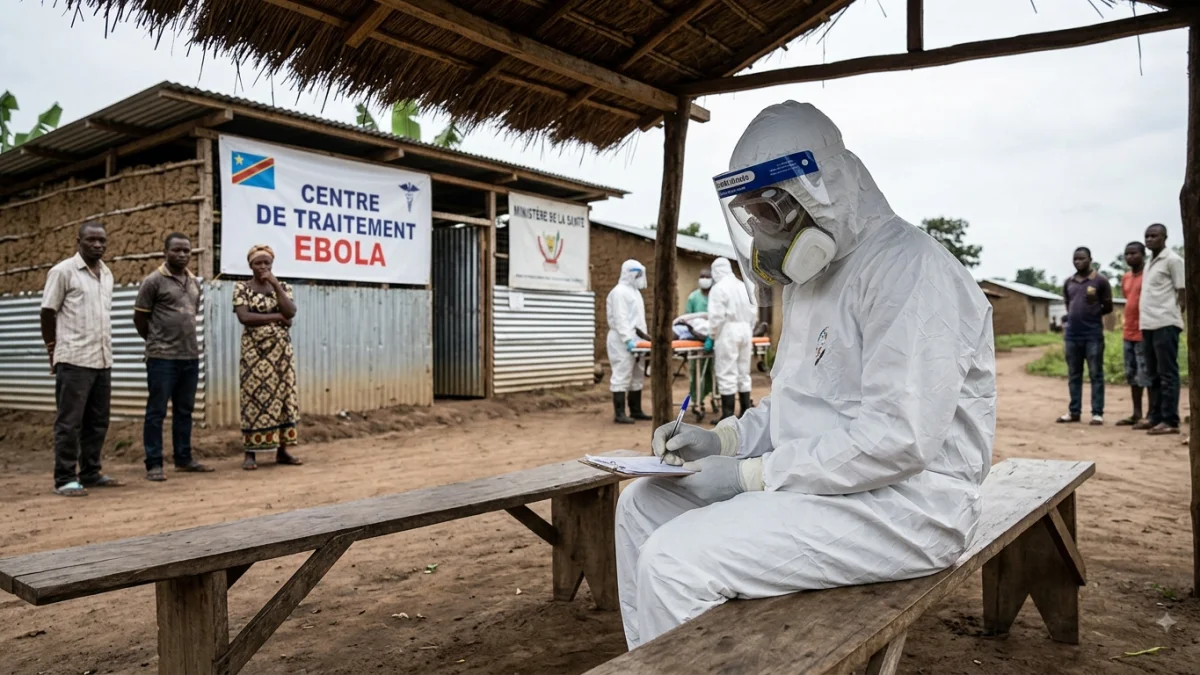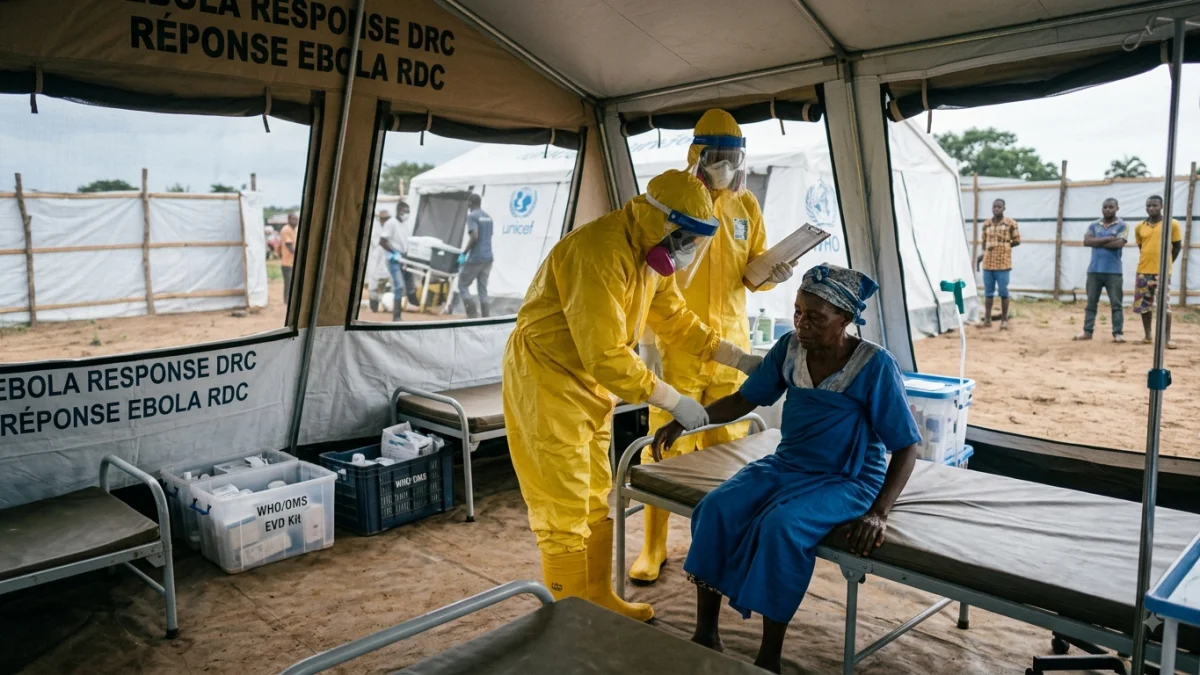


DAKAR — The Ebola outbreak in the Democratic Republic of Congo has spread to a sixth province, Bas-Uele in the northeast, after authorities confirmed a death in the provincial capital Buta, the communications ministry said on Friday.
The case marks the first confirmed Ebola infection reported in Bas-Uele, which had not previously been affected by the outbreak. A National Institute for Biomedical Research official told Reuters on Thursday that a person had died from the disease in Buta. Authorities are concerned that people who came into contact with the patient could have been exposed.


The ministry said the number of confirmed Ebola cases nationwide had risen to 4,665, including 2,184 deaths. The outbreak has affected six of Congo's 26 provinces, according to the latest available reports.
The outbreak was declared on May 15 after laboratory testing identified the Bundibugyo species of Ebola virus in Ituri province. The World Health Organization says there is currently no approved vaccine or specific treatment for the strain, although clinical trials of potential vaccines and treatments are underway.
The vast majority of infections remain concentrated in Ituri. WHO said this week that about 90% of cases and 80% of deaths were in the province, which has faced persistent insecurity and difficulties in tracing contacts and providing care.
Bas-Uele's geography and security conditions present additional challenges for disease surveillance. The province borders the Central African Republic and has poor road and communications links, while population movements associated with gold mining and displacement can complicate efforts to identify and monitor people who may have been exposed, according to the Associated Press.
The Africa Centres for Disease Control and Prevention has also raised concerns about the response. Its director general, Jean Kaseya, called for health workers' outstanding salaries to be paid after workers at a treatment centre in Ituri went on strike, according to AP.
WHO has said the outbreak is occurring amid insecurity, humanitarian pressures and high population mobility, while health authorities continue surveillance, contact tracing, infection-control measures and clinical care.
Authorities are now monitoring potential contacts linked to the first confirmed death in Bas-Uele as the outbreak continues to expand geographically.