

BRUSSELS — The European Union has released €1.4 billion ($1.6 billion) in profits generated from frozen Russian central bank assets to support Ukraine, marking the latest transfer under a mechanism that channels windfall earnings from immobilised Russian sovereign funds while leaving the underlying assets frozen.
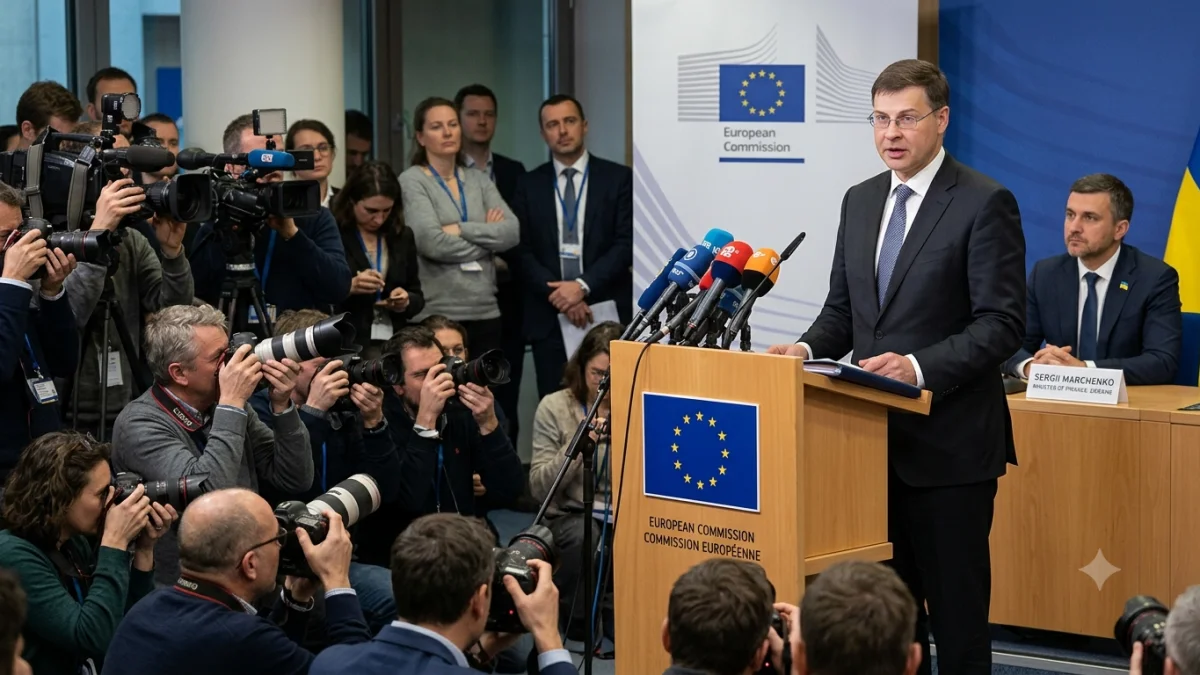
The European Commission said the funds were received after central securities depositories transferred profits earned on cash balances originating from Russian Central Bank assets immobilised under EU sanctions imposed following Moscow's full-scale invasion of Ukraine. The payment represents the fourth such transfer by the bloc and covers revenues accumulated during the second half of 2025.


European Commission President Ursula von der Leyen said the proceeds would help strengthen Ukraine's ability to defend itself and support the country as Russia's war continues. In a statement, she said Russia "must pay for the destruction it has caused" and that the revenues would be directed toward supporting Ukraine.
According to the Commission, while the Russian state assets remain frozen under EU sanctions and are not being confiscated, the extraordinary interest generated on those holdings can legally be used to assist Ukraine under legislation adopted by the bloc. Most of the latest transfer will be channelled through the Ukraine Loan Cooperation Mechanism to help service loans provided under the Group of Seven's Extraordinary Revenue Acceleration initiative, with a smaller share allocated to other EU support instruments.
The measure forms part of broader Western efforts to maintain financial support for Ukraine without directly seizing Russian sovereign assets. EU officials have argued that using windfall profits, rather than the principal itself, is consistent with the bloc's legal framework governing sanctions.
The European Union immobilised hundreds of billions of euros in Russian Central Bank assets after Russia launched its invasion of Ukraine in February 2022. A large share of those holdings is kept through Belgium-based financial infrastructure, where the frozen assets continue to generate interest income.
Moscow has repeatedly condemned Western sanctions and the use of proceeds generated from frozen Russian assets, calling such measures unlawful and warning of possible legal and political consequences. EU officials have maintained that the underlying assets remain immobilised and that only the extraordinary revenues are being redirected under the bloc's legal framework.
The Commission said the latest transfer reflects the EU's continued financial commitment to Ukraine as the bloc prepares further assistance under existing support programmes.