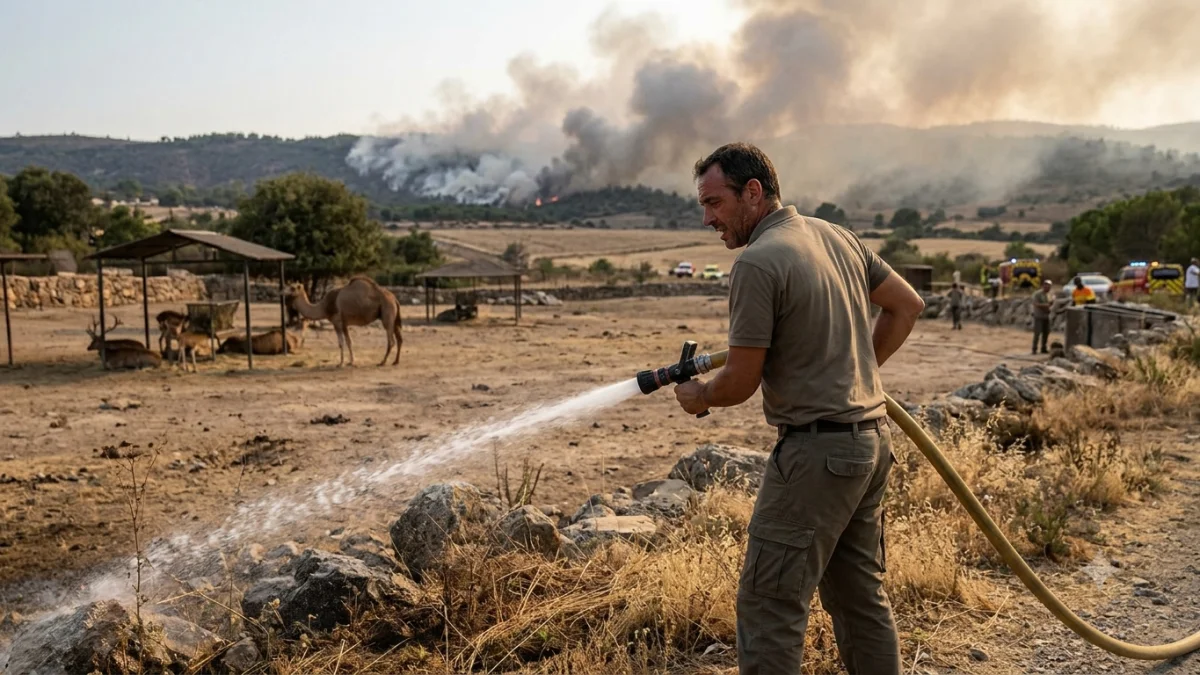


Extreme heat affecting Europe and parts of Asia has expanded beyond a public health emergency into a broader environmental stress test, with deadly consequences for wildlife, growing pressure on emergency services and renewed evidence of how prolonged high temperatures are increasing wildfire risks. On Aug. 5, authorities across southern and eastern Europe continued battling multiple wildfires as temperatures climbed toward or above 40 degrees Celsius in several countries, while recent reports from Japan documented the deaths of three lions at Tokyo's Tama Zoological Park from suspected heatstroke.
The developments are significant because they illustrate how prolonged heat is affecting ecosystems, infrastructure and biodiversity simultaneously rather than as isolated events. Wildfires, drought, agricultural losses, electricity shortages and animal mortality are increasingly occurring during the same heat episodes, stretching governments' ability to respond across multiple sectors. Scientists have long identified such compound events as one of the clearest indicators of escalating climate risks, particularly in regions already prone to summer drought.


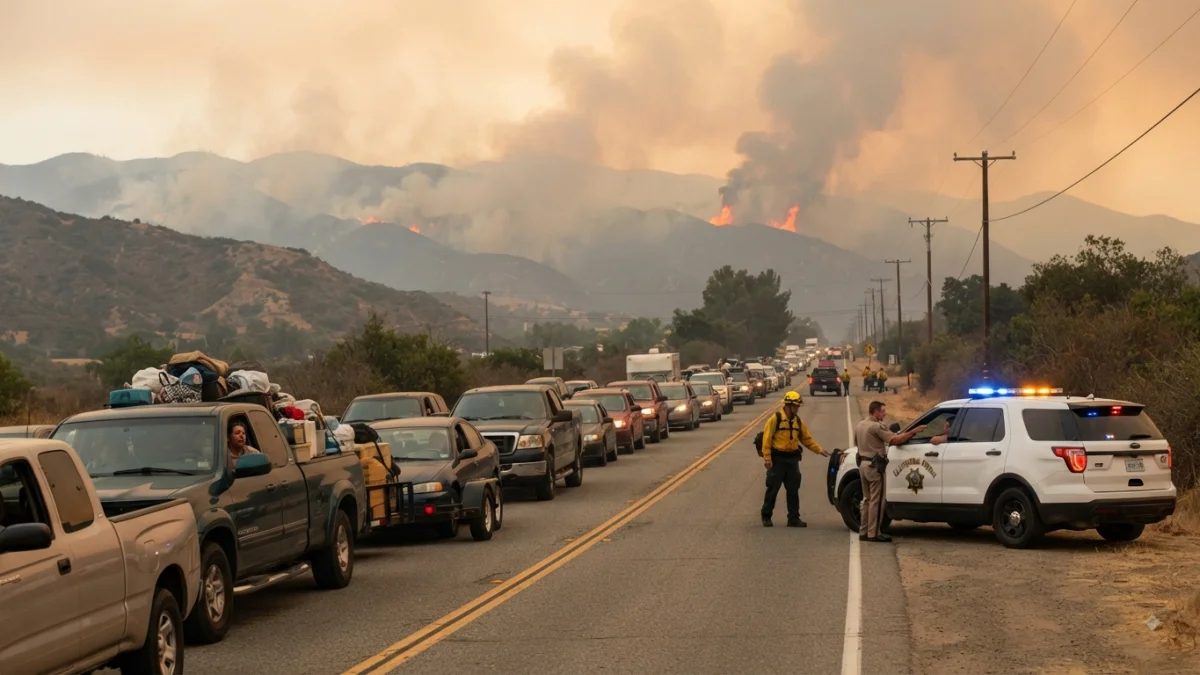
Across Europe, firefighters remained deployed in several countries as dry vegetation, strong winds and exceptionally high temperatures combined to sustain dangerous fire conditions. Albania evacuated residents from threatened communities, while Greece continued to confront fires after major blazes near Athens. Italy placed many major cities under its highest heat alert, and Hungary introduced measures to reduce electricity demand as drought lowered water levels affecting cooling systems at its only nuclear power station. Britain's cereal harvest is also projected to be among its weakest in decades because of persistent heat and lack of rainfall.
Although wildfires have long been a seasonal feature of Mediterranean climates, recent research suggests that climate change is increasing both the frequency of conditions favorable to extreme fires and the severity of fire seasons. Higher temperatures accelerate evaporation, dry vegetation more rapidly and extend the period during which landscapes remain combustible. Studies examining Mediterranean wildfire activity have identified rising atmospheric dryness and heat as major contributors to larger burned areas during extreme fire events.
The deaths of three female lions at Tokyo's Tama Zoological Park add another dimension to the impact of sustained heat. Zoo officials said the animals developed symptoms consistent with severe dehydration and multiple organ failure after an intense period of hot, humid weather. Veterinary investigations remain ongoing, but the zoo responded by suspending lion exhibitions and expanding cooling measures, including water spraying and intravenous treatment for affected animals. Officials said other species had not shown comparable illness, underscoring that heat vulnerability differs significantly between animals depending on physiology and habitat adaptation.
Zoo management across Europe has increasingly adapted operations during heatwaves by introducing cooling pools, climate-controlled shelters and frozen food enrichment for vulnerable species. Facilities in Italy and Germany have reported expanding such measures during recent summers as periods of extreme heat become more frequent. While many captive animals can be protected through management interventions, the Tokyo case demonstrates that adaptation measures may not always prevent fatalities during unusually severe weather episodes.
Europe's experience also reflects a broader climatic pattern extending beyond the continent. Record temperatures across Japan and the Korean Peninsula have produced rising numbers of heat-related illnesses, livestock losses and disruptions to daily life. Authorities in several countries have described the heat as an emergency requiring coordinated public health responses, illustrating that extreme temperatures are increasingly becoming regional rather than localized events.
The convergence of environmental and economic impacts is becoming increasingly important for policymakers. Beyond immediate firefighting costs, prolonged heat threatens agricultural production, electricity systems, water resources and tourism. Drought conditions reduce hydroelectric generation and strain water supplies while simultaneously increasing irrigation demand. For emergency services, simultaneous fires across multiple regions complicate the allocation of aircraft, personnel and equipment, particularly when neighboring countries face similar conditions.
Climate researchers generally caution against attributing any single wildfire or animal death solely to climate change. Instead, attribution studies evaluate how rising global temperatures alter the probability or intensity of extreme weather conditions. That distinction remains important. Weather determines when individual heatwaves occur, while long-term warming influences how often exceptionally hot conditions develop and how severe they become. The World Meteorological Organization and numerous scientific assessments have repeatedly concluded that heatwaves are becoming more frequent and more intense as global average temperatures rise.
The current heatwave therefore represents more than another difficult summer. It highlights how extreme temperatures increasingly produce interconnected consequences across ecosystems, public infrastructure, agriculture and biodiversity. Animal deaths in managed environments, expanding wildfire activity and mounting economic pressures all reflect the broader challenge of adapting to more persistent periods of extreme heat.
As of Aug. 5, authorities continued monitoring active wildfires across several European countries while maintaining heat alerts in affected regions. Veterinary investigations into the Tokyo lion deaths remain ongoing, and governments continue assessing the effects of prolonged heat on agriculture, energy systems and public safety. The immediate trajectory will depend on future weather conditions, while officials continue monitoring wildfire behavior, drought intensity and additional impacts associated with the ongoing heatwave.