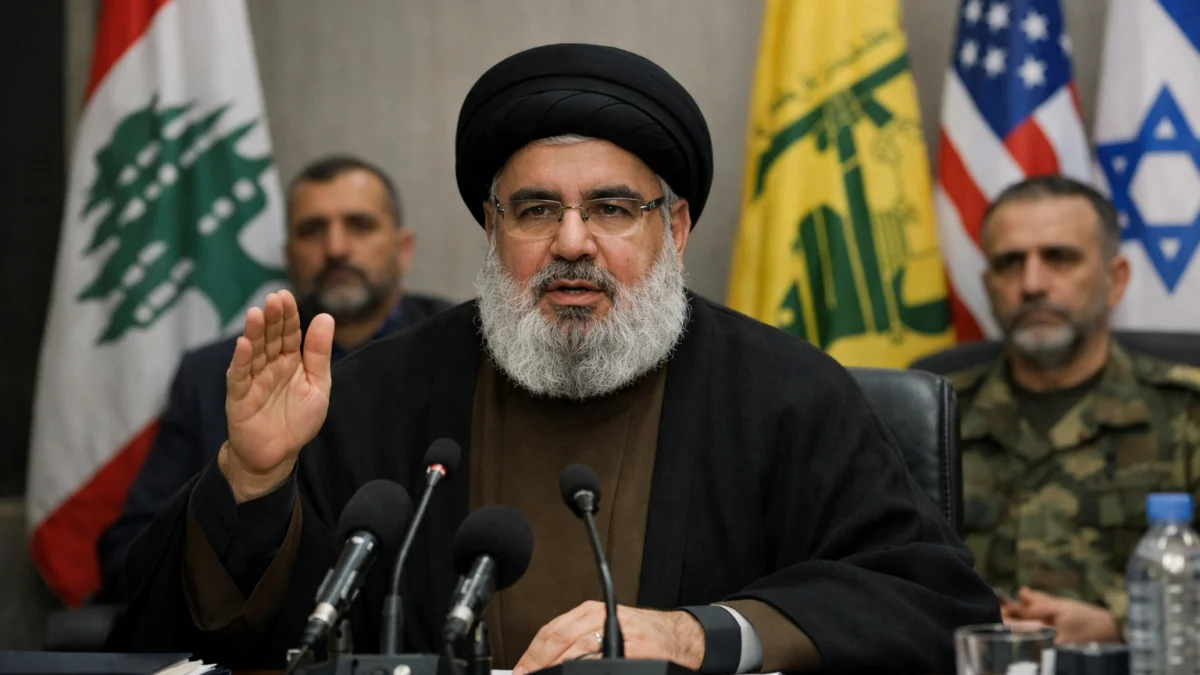


BEIRUT — Hezbollah on Saturday rejected a U.S.-brokered framework agreement signed a day earlier by Israel and Lebanon, with the group's leader, Naim Qassem, calling the accord a surrender to Israel and declaring it "null and void," while Israeli forces carried out a drone strike in southern Lebanon despite the diplomatic breakthrough.
The agreement, reached in Washington after U.S.-mediated negotiations, is intended to reduce hostilities along the Israel-Lebanon border through a phased Israeli withdrawal from parts of southern Lebanon and the deployment of the Lebanese army. The framework also links further Israeli withdrawal to progress on the disarmament of non-state armed groups, a provision that Hezbollah has rejected.


In a televised address, Qassem said the agreement represented unilateral concessions by Lebanon and stated that it should be replaced by the memorandum of understanding reached earlier between the United States and Iran, which Hezbollah says committed Washington to ending hostilities in Lebanon. He said the new framework was "null and void" and described it as a surrender to Israel.
Qassem also rejected any effort to tie Israel's withdrawal from Lebanese territory to Hezbollah's disarmament, saying such a proposal crossed "all red lines," according to his remarks. He reaffirmed Hezbollah's position that it would maintain what it describes as armed resistance.
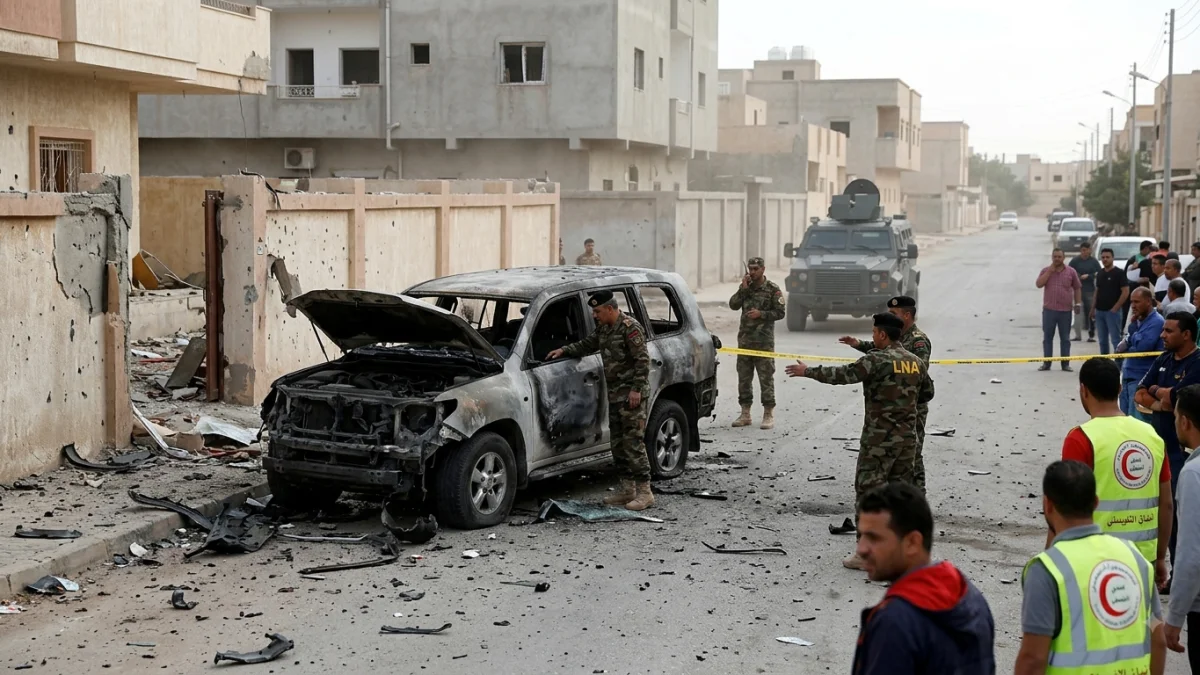
Israeli military operations continued on Saturday despite the signing of the agreement. The Israeli military said it carried out a drone strike in the southern Lebanese town of Nabatieh al-Fawqa against an individual it said posed a threat. The military did not immediately provide additional details.
The framework signed Friday provides for an initial phased Israeli redeployment from selected areas of southern Lebanon while allowing Israeli forces to remain temporarily in an expanded security zone during implementation. Lebanese armed forces are expected to deploy into areas vacated under the agreement, according to the published framework.
The agreement was negotiated by representatives of Israel and Lebanon with U.S. mediation and is intended to establish a path toward reducing cross-border hostilities after months of conflict that displaced more than one million people in Lebanon, according to humanitarian estimates cited by officials. Hezbollah has not endorsed the accord, and Lebanese authorities have not indicated any change to the implementation timetable following the group's rejection.
As of Saturday, the framework agreement remained in place, while Hezbollah continued to reject its terms and Israeli military operations in southern Lebanon continued alongside efforts by the parties to implement the accord.