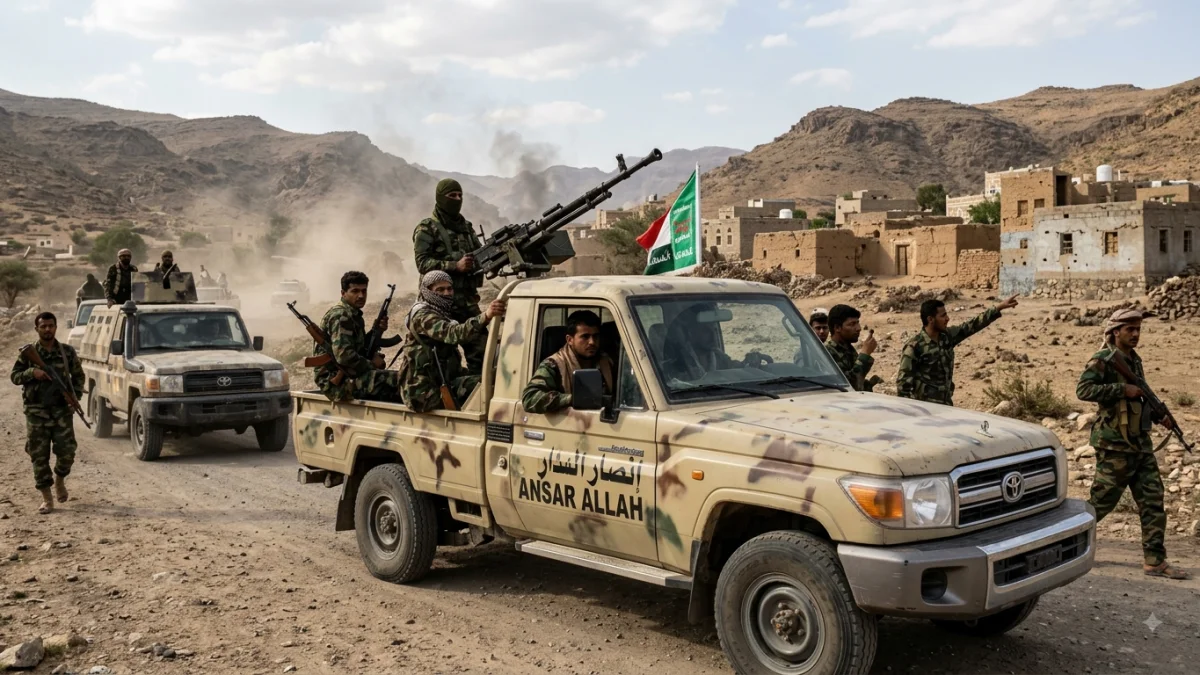


TAIZ — Fighting between Iran-aligned Houthi forces and Yemen’s internationally recognized government has intensified across several front lines, with at least one government soldier killed and another critically wounded in clashes in the southwestern province of Taiz, Yemeni military officials said.
The latest violence is part of a broader escalation that has raised concerns about a return to large-scale conflict in Yemen after years of relative calm following a U.N.-brokered truce in 2022.


Yemeni military officials told The Associated Press that the clashes in Taiz continued overnight into Thursday. Government forces have also reported Houthi attacks in other areas, while the Houthis have accused their opponents of military actions against positions under their control. Independent verification of battlefield claims has been limited.
U.N. Special Envoy for Yemen Hans Grundberg told the Security Council on Thursday that military activity had intensified along Yemen’s front lines. He cited recent Houthi attacks in Marib, Hadramawt and Mocha, as well as elsewhere, that had caused military and civilian casualties.
The escalation follows several days of fighting and attacks. Yemen’s government has reported clashes in Taiz and artillery and drone strikes against Houthi positions across several governorates. The government has also said it repelled a Houthi attack in Taiz.
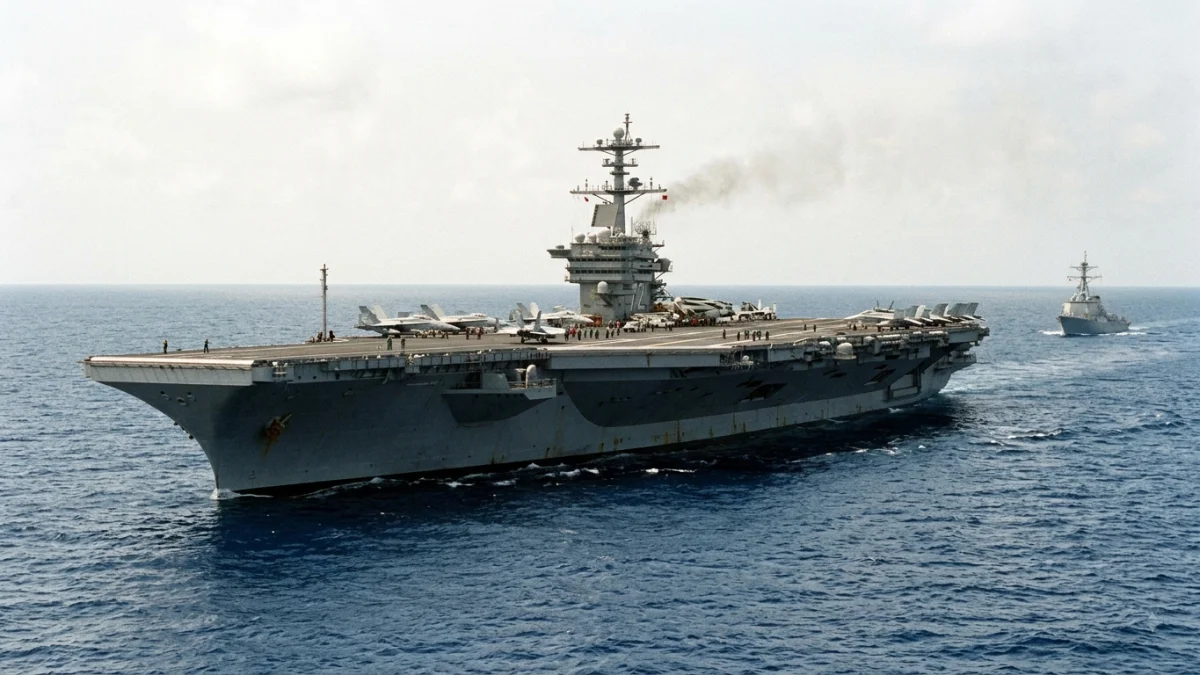
The renewed fighting comes amid broader regional tensions. The Houthis have resumed attacks on commercial shipping in the Red Sea and Gulf of Aden, developments Grundberg said could draw Yemen further into the wider confrontation involving regional powers.
The United Nations has warned that the deterioration threatens Yemen’s fragile humanitarian situation. U.N. humanitarian chief Tom Fletcher told the Security Council that more than half of Yemen’s population faces acute food insecurity, while about 6 million people are experiencing emergency levels of food deprivation bordering on famine.
The conflict began in its current phase in 2014, when the Houthis seized the capital, Sanaa, prompting a Saudi-led military intervention the following year. The 2022 truce largely halted major fighting even after it formally expired, but efforts to secure a permanent political settlement have stalled.
Grundberg urged the parties to immediately de-escalate and work toward a durable ceasefire, saying a negotiated path away from renewed war remained possible.