BEIRUT, June 26 — A fragile ceasefire between Israel and Hezbollah has brought a measure of calm to parts of Lebanon, but thousands of displaced residents remain unable to return home because of widespread destruction and the continued presence of Israeli forces in parts of the country's south, according to Lebanese authorities, local officials and residents.
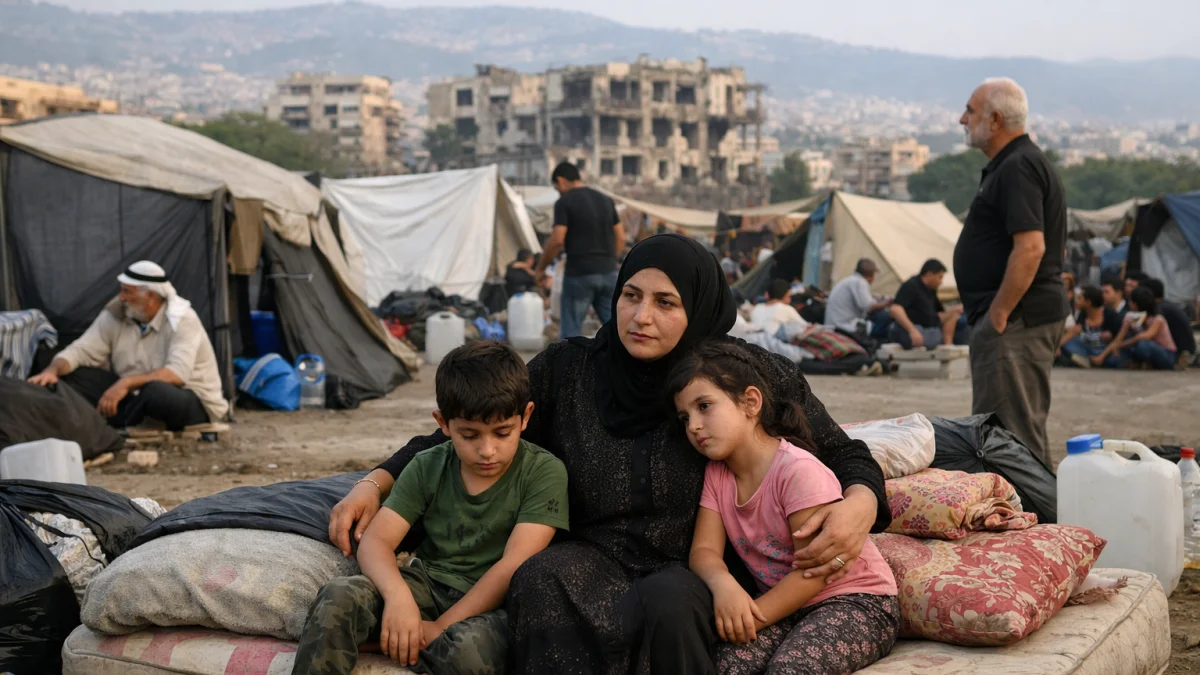
The truce, which took effect on June 20 following U.S.-backed diplomatic efforts, has reduced large-scale fighting after months of intensified conflict. However, many families say the pause in hostilities has provided only limited relief, as damaged homes, security concerns and restricted access continue to prevent their return.
In the border town of Kfar Kila, farmer Hussein Merhi said he remained displaced because both his home and livelihood had been lost. “I still can't go back to my village. It's still occupied. My house is gone, and my livelihood is gone,” he told Reuters from a temporary shelter in Sidon. “We were displaced, and we're going to remain displaced. There's a ceasefire — what did I gain?”
Lebanese authorities said some residents have left government-run shelters since the ceasefire began, but many others have remained displaced. Local officials in southern towns told Reuters that while families have started returning, the pace has been limited because numerous homes were destroyed or heavily damaged. Officials said details on the total number of returnees remain difficult to verify.
Lebanon's National Council for Scientific Research has estimated that more than 90,000 housing units were damaged or destroyed during the latest escalation, according to Reuters. The conflict also displaced more than one million people at its peak, Lebanese authorities have said.
Israel has maintained that its military presence in a buffer zone in southern Lebanon is necessary for security and has linked any broader withdrawal to the removal of Hezbollah's military infrastructure from the area. Lebanese officials have continued to call for a complete Israeli withdrawal, while U.S.-mediated discussions on possible next steps have continued. Both Israeli and Lebanese officials this week denied a U.S. official's statement that Israel had already withdrawn from part of the area.
Although the ceasefire has largely held, both sides have accused each other of violations in recent days. Lebanese security officials described overall adherence to the truce as nearly complete, while isolated exchanges of fire and military activity have continued to be reported. As of Thursday, negotiations over longer-term arrangements were continuing, and many displaced families remained uncertain about when they would be able to return permanently.