

TEHRAN — Iran fired ballistic missiles at Israel late Sunday, the first such direct attack since a fragile ceasefire took effect in April, Israeli and Iranian officials said.
The strikes came hours after an Israeli airstrike on Beirut's southern suburbs that targeted Hezbollah positions, according to Lebanese and Israeli sources. Iran's Islamic Revolutionary Guard Corps claimed responsibility for the missile barrage, describing it as retaliation for the Beirut attack.


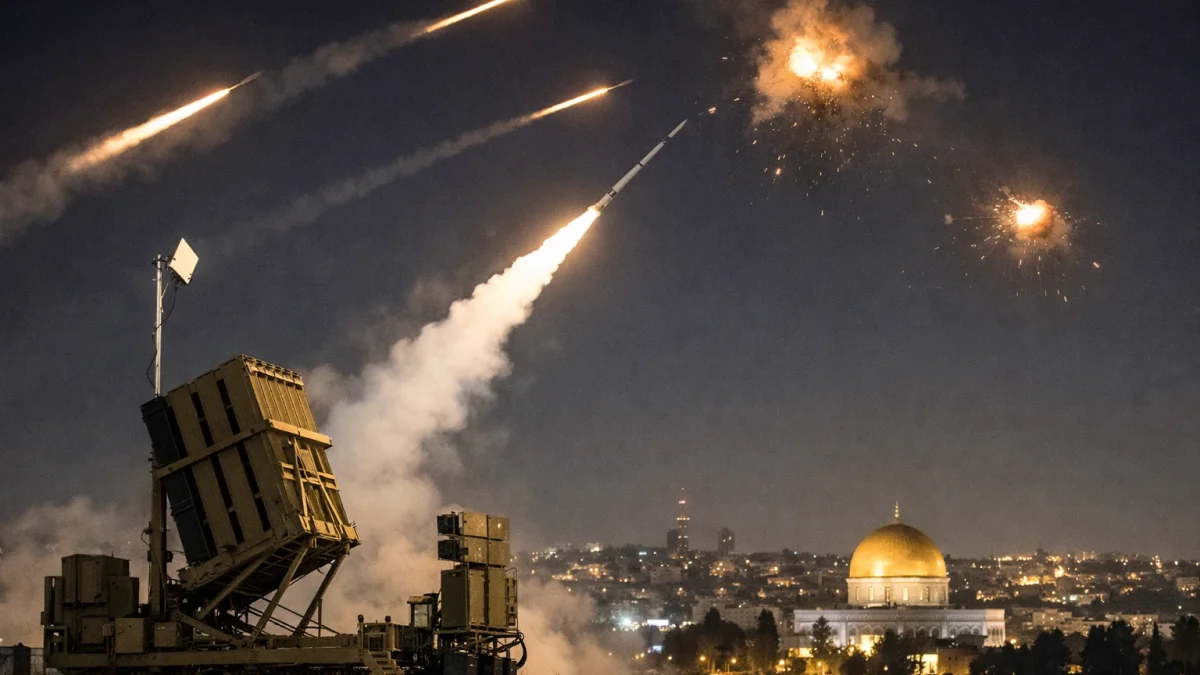
Israel's military said sirens sounded across northern Israel as missiles were launched from Iran. Air defense systems intercepted the threats, and no casualties or damage were reported, the Israel Defense Forces said in a statement.
Iran's state media reported that the armed forces launched multiple waves of missiles toward northern Israel. The IRGC said the action served as a warning to Israel to halt operations in Lebanon. "This is the beginning of a response if attacks on Lebanon continue," a senior Iranian official was quoted as saying by Iranian state television.
The April ceasefire, mediated by Pakistan between the United States and Iran, had paused direct hostilities following months of conflict that began in February 2026. The truce has faced repeated strains amid ongoing Israeli actions against Iranian-backed groups in Lebanon.
Israeli officials confirmed the Iranian launch but gave no immediate details on the number of missiles. The attack was largely contained to northern areas, according to Israeli media reports citing military sources.
Lebanese security sources reported the earlier Israeli strike on Beirut caused casualties among Hezbollah members, though exact figures remained unclear early Monday. Hezbollah has not issued an official statement on the incident.
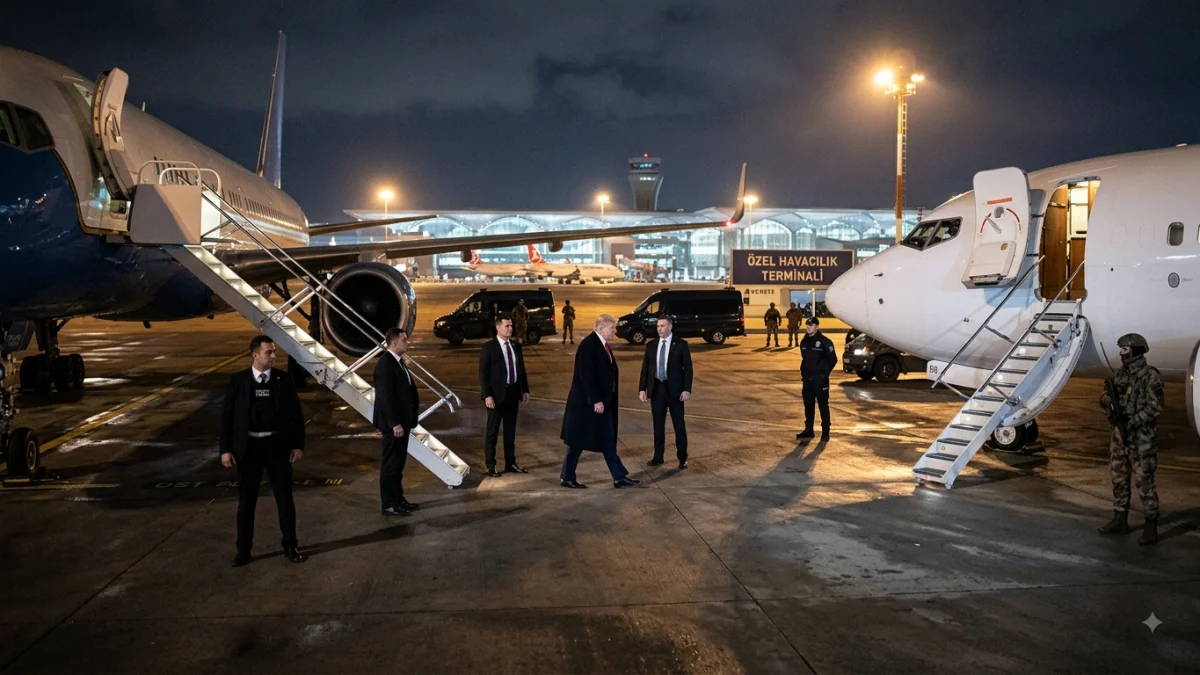
U.S. President Donald Trump urged restraint from all parties in recent days amid efforts to advance nuclear negotiations with Iran, according to White House statements. No immediate U.S. comment was available on Sunday's exchanges.
As of early Monday, Israel had carried out strikes on military targets in western and central Iran in response, with explosions reported in Tehran, Tabriz and Isfahan, Iranian state media and Israeli officials said. Details on damage from the Israeli response were not immediately available.
The developments mark a significant escalation that tests the durability of the April truce. Both sides have accused the other of ceasefire violations in recent weeks.
Iranian officials reiterated that further attacks would follow if Israel continued operations against Hezbollah. Israeli Prime Minister's office said Israel would defend its territory and respond appropriately to threats.
Casualty figures from both sides' actions remained unconfirmed in the immediate aftermath, with officials on all sides providing limited information.