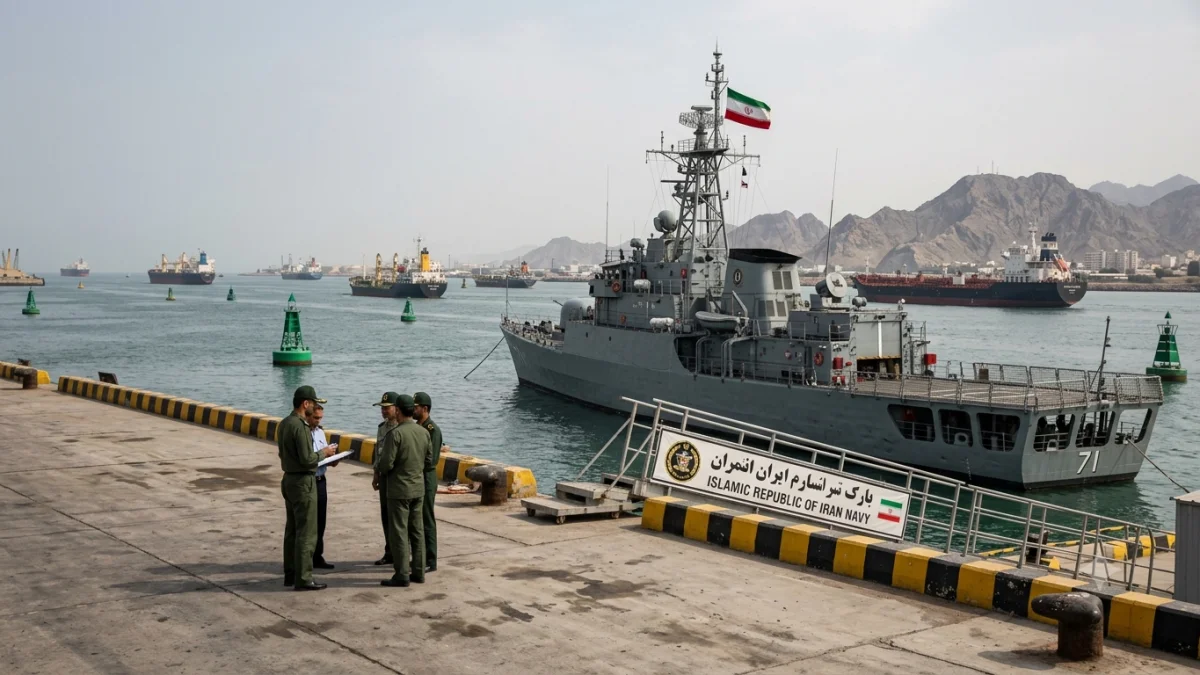


TEHRAN — Iran said on Saturday that a proposed agreement with Oman on shipping arrangements in the Strait of Hormuz would not amount to a full reopening of the strategic waterway, signalling that significant restrictions on maritime traffic would remain despite progress in negotiations.
Iranian officials said the discussions with Oman were focused on establishing a temporary, narrow shipping corridor rather than restoring unrestricted navigation through the strait. According to Iranian statements, the proposed arrangement would facilitate limited commercial transit while broader issues surrounding the waterway remain unresolved.


The comments followed recent optimism from U.S. President Donald Trump, who has said negotiations were advancing toward reopening the vital oil transit route. Tehran's latest position indicates that any initial agreement would stop short of returning shipping to pre-conflict operating conditions.
The Strait of Hormuz, through which roughly one-fifth of global oil consumption normally passes, has experienced sharply reduced vessel traffic since Iran restricted access earlier this year during its conflict with the United States and Israel. Shipping data this week showed traffic remained well below pre-conflict levels, with only a limited number of tankers transiting the passage.
Iran has previously linked a broader reopening of the strait to wider political and security issues, including sanctions relief and other conditions, while Washington has maintained that international navigation through the waterway should remain unrestricted.
As of Aug. 8, negotiations were continuing, and no final agreement had been formally announced. Officials from the parties involved have not indicated when any temporary shipping arrangement could take effect.