

Iran’s latest statement that a developing maritime arrangement with Oman will not fully reopen the Strait of Hormuz marks a significant shift from earlier expectations that negotiations could quickly restore normal commercial shipping through one of the world’s most important energy corridors. Instead, Tehran has signaled that any understanding with Muscat would address only part of the broader dispute, leaving the strategic waterway subject to continuing political and security conditions.
The clarification matters because markets, shipping companies and governments had increasingly interpreted recent diplomatic progress as evidence that the prolonged disruption to Hormuz traffic might soon end. Iran’s position now underscores that technical agreements over navigation and maritime coordination remain separate from wider geopolitical disagreements involving the United States, sanctions, regional security and the aftermath of the conflict that led Tehran to impose restrictions on shipping through the strait.


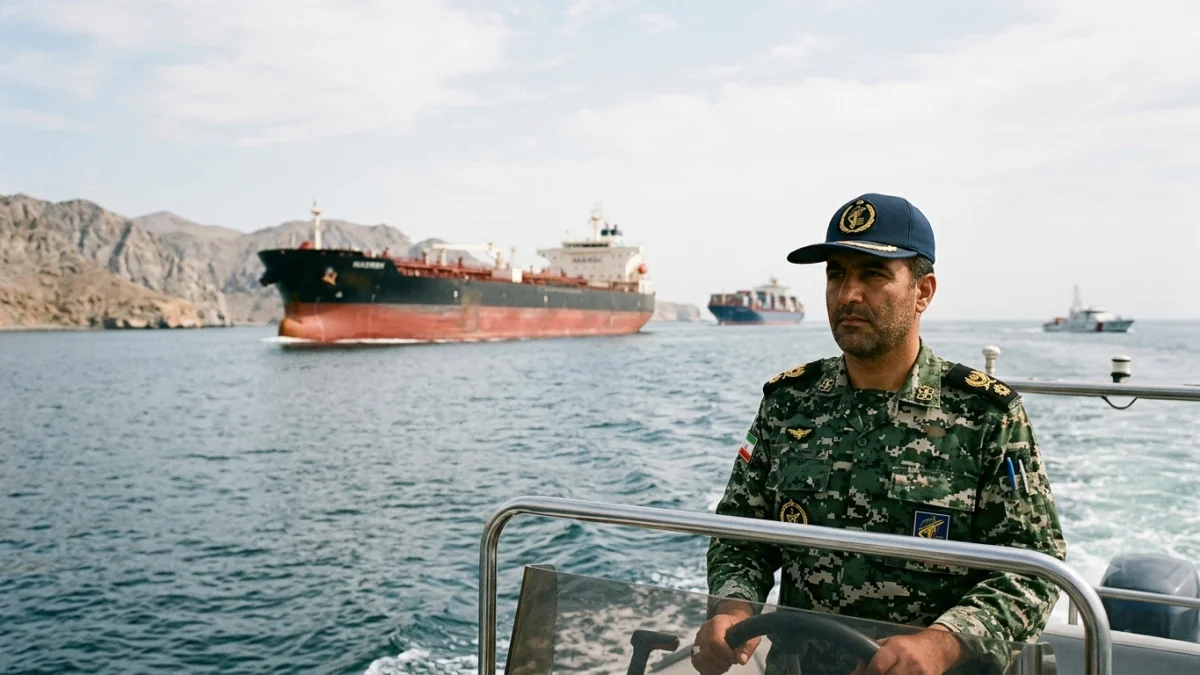
The Strait of Hormuz carries a substantial share of globally traded crude oil and liquefied natural gas, making even partial disruptions economically significant. Since restrictions were imposed earlier this year, commercial traffic has remained well below pre-conflict levels. According to vessel-tracking data cited by Reuters, only a fraction of the normal weekly number of ships has recently transited the waterway, while tanker operators continue to weigh security risks, insurance costs and operational uncertainty before committing vessels.
Iranian officials have consistently argued that negotiations with Oman concern the management of shipping routes rather than an unconditional reopening of the strait. Earlier this week, Foreign Ministry spokesperson Esmaeil Baghaei said Iran and Oman had reached an understanding on the geographic coordinates of a proposed shipping route but stressed that such an arrangement alone would not guarantee maritime security. That distinction has become increasingly important as international expectations have outpaced the limited scope of the negotiations themselves.
The latest position also illustrates how Tehran continues to use control over access to the waterway as strategic leverage rather than treating navigation as a purely technical issue. Iranian state-affiliated media and officials have repeatedly linked any broader reopening to wider political conditions, including changes in U.S. policy and the resolution of outstanding security concerns. Earlier reports similarly indicated that Iran regarded Hormuz as part of a broader negotiating framework rather than an isolated maritime issue.
For Oman, the negotiations reinforce its longstanding diplomatic role as a regional intermediary. Muscat has historically maintained working relations with both Iran and Western governments, allowing it to facilitate dialogue during periods of heightened tension. However, the current talks also demonstrate the limits of Omani mediation. Even if bilateral technical arrangements are finalized, Oman lacks the authority to resolve the wider political disputes that continue to shape Iran’s strategic calculations regarding the strait.
Energy markets have responded accordingly. Oil prices, which had previously eased on expectations of a diplomatic breakthrough, strengthened again as Iran emphasized that no comprehensive reopening was imminent. The renewed uncertainty reflects the sensitivity of global energy markets to developments affecting Hormuz, where even modest changes in shipping volumes can influence freight rates, insurance premiums and crude price expectations. Reuters reported that Iraqi crude exporters have already offered substantial discounts to attract buyers, while some shipowners remain reluctant to enter the region despite commercial incentives.
The episode also highlights the difference between diplomatic announcements and commercial normalization. Shipping companies require predictable navigation rules, clear legal authority, adequate insurance coverage and confidence that vessels can transit safely. Even if governments announce partial agreements, commercial operators may remain cautious until operational conditions become consistently reliable. As recent vessel movements indicate, traffic has recovered only selectively rather than returning to historical levels.
Another implication is the continuing divergence between political messaging from different capitals. U.S. President Donald Trump has previously expressed optimism that an agreement could reopen the strait, while Iranian officials have repeatedly emphasized that negotiations remain incomplete and subject to conditions that Tehran considers non-negotiable. Those differing public narratives have complicated market expectations and contributed to repeated swings in energy prices as investors reassess the likelihood of a durable settlement.
For regional governments, the latest developments reinforce the importance of contingency planning. Gulf energy exporters remain dependent on secure maritime routes, while major importers in Asia continue to monitor the pace of any recovery in shipping. Although alternative export routes exist, none fully replaces Hormuz's capacity, meaning prolonged restrictions continue to carry implications for global supply chains, shipping logistics and energy security.
At present, the confirmed position is that Iran and Oman continue discussions on maritime arrangements, but Tehran says such an agreement would not by itself restore full navigation through the Strait of Hormuz. Shipping activity remains below pre-conflict levels, and governments, energy markets and commercial operators are closely monitoring whether negotiations produce broader political agreements capable of supporting a sustained normalization of traffic.