

BEIRUT — Israeli forces carried out airstrikes on a southern suburb of Beirut on Sunday, the first such attack on the Lebanese capital since a U.S.-brokered ceasefire agreement took effect last week, Lebanese officials said.
The strikes hit the Dahieh district, a Hezbollah stronghold, killing at least two people and wounding about 20 others, according to Lebanon’s health ministry and state-run National News Agency.


Israel’s military said the operation targeted Hezbollah infrastructure in retaliation for alleged violations of the ceasefire by the group. The Israeli prime minister’s office described it as a response to earlier Hezbollah actions against Israel.
The ceasefire, mediated by the United States and involving Israel and Lebanon, was intended to reduce hostilities, with provisions for Israel to refrain from striking Beirut and its suburbs in exchange for Hezbollah halting attacks on northern Israel. Hezbollah has rejected aspects of the broader agreement.
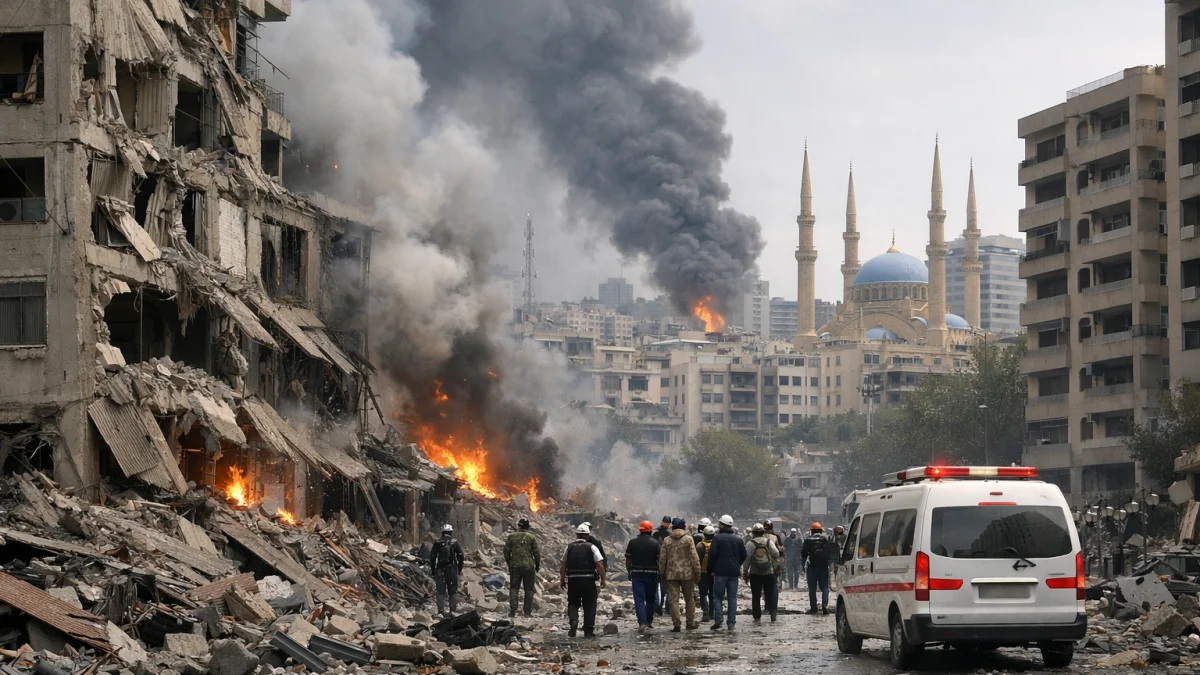
Lebanese officials condemned the strikes as a violation of the truce. The attacks sent plumes of smoke rising over residential areas in Dahieh, with rescue teams responding to damaged buildings.
"Israel’s continued aggression undermines the ceasefire and threatens regional stability," a Lebanese government statement said, according to local media reports.
Israeli officials maintained that the action was limited and necessary to address imminent threats. They had previously warned of potential strikes on the suburb if Hezbollah continued cross-border activities.
The incident comes amid ongoing tensions linked to the wider regional conflict involving Iran. The fragile truce, announced in early June, followed months of escalation that began in March 2026.
Both sides have accused each other of repeated ceasefire violations since earlier agreements. The United Nations and other mediators have called for full adherence to de-escalation commitments.
As of Thursday, the situation in southern Lebanon remained tense, with reports of additional exchanges in border areas, though details on the latest ground conditions were limited. International efforts to stabilize the truce continue, with U.S. officials urging restraint from all parties.
The ceasefire framework includes provisions for security arrangements in southern Lebanon, but implementation has faced challenges. Lebanese authorities and Hezbollah have expressed differing positions on the terms.