

BEIRUT — Thousands of displaced Lebanese residents began returning to southern villages and towns in recent weeks to assess damage to their homes and communities following months of conflict between Israel and Hezbollah, officials and witnesses said.
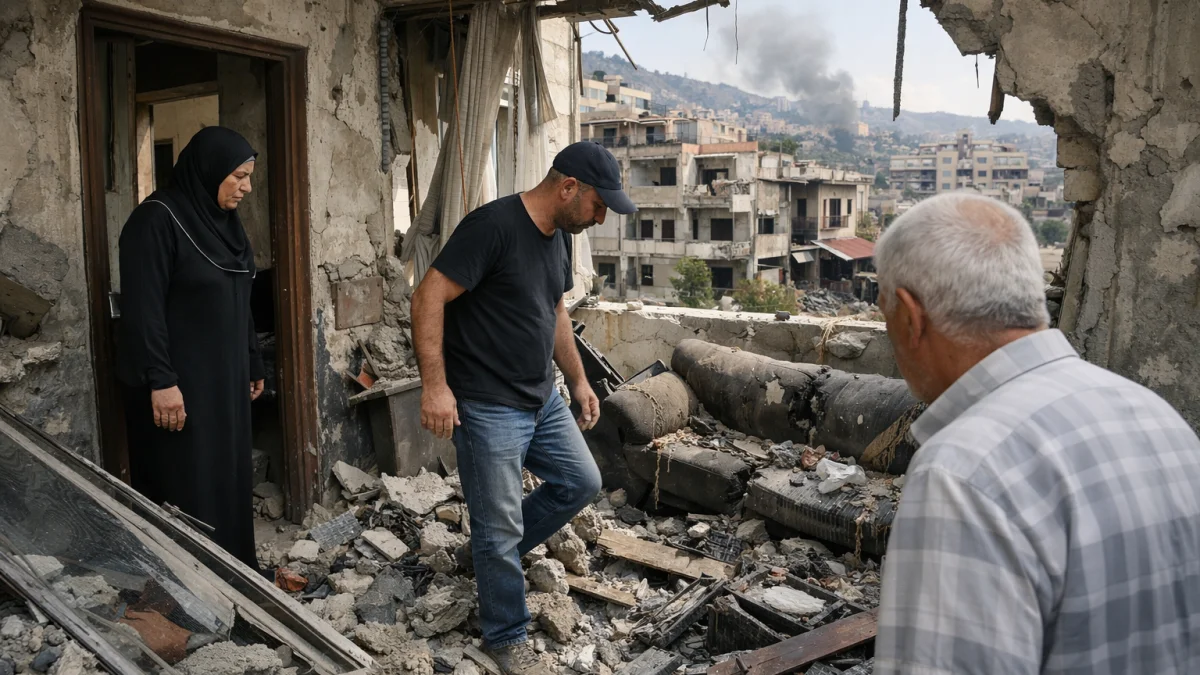
Many returnees found widespread destruction from Israeli strikes and ground operations, with homes, infrastructure and agricultural land heavily damaged or destroyed in areas south of the Litani River, according to reports from the region. The returns followed a fragile ceasefire that took hold earlier this year, though officials from various sides had urged caution due to safety concerns and ongoing risks.


Displaced families traveled back despite warnings from the Lebanese army, Hezbollah, and Israeli forces against immediate returns to southern areas. Highways leading south were congested as people checked on properties abandoned during the escalation, which displaced more than one million people at its peak, aid groups reported.
In towns such as Nabatieh and villages near Tyre, residents encountered rubble-strewn streets, collapsed buildings and damaged bridges. Some described conditions as uninhabitable, with limited access to water, electricity and other services.
Fadel Badreddine, who returned to Nabatieh with his family, told reporters: “There’s destruction and it’s unliveable. Unliveable. We’re taking our things and leaving again.”
The conflict, which intensified in late 2025 and early 2026, caused extensive damage across southern Lebanon. Lebanese officials and humanitarian assessments have pointed to thousands of homes affected, though comprehensive verified tallies remained incomplete as of mid-June.
Israeli authorities cited security needs, including the dismantling of threats near the border, as justification for operations that included demolitions. Rights groups and Lebanese sources described the scale of destruction in civilian areas as significant. Details on exact casualty figures and total property losses from all sides continue to vary by source.
Lebanese government and local authorities have begun initial cleanup efforts in some areas, but reconstruction faces major challenges amid economic strain. Many returnees made short visits to salvage belongings or evaluate repair needs before deciding whether to stay.
As of Monday, returns continued on a limited scale in accessible areas, while some regions remained restricted due to lingering security issues and infrastructure damage. Aid organizations were coordinating support for returning families, but the full extent of needs and long-term displacement figures were still being assessed, UN agencies said.