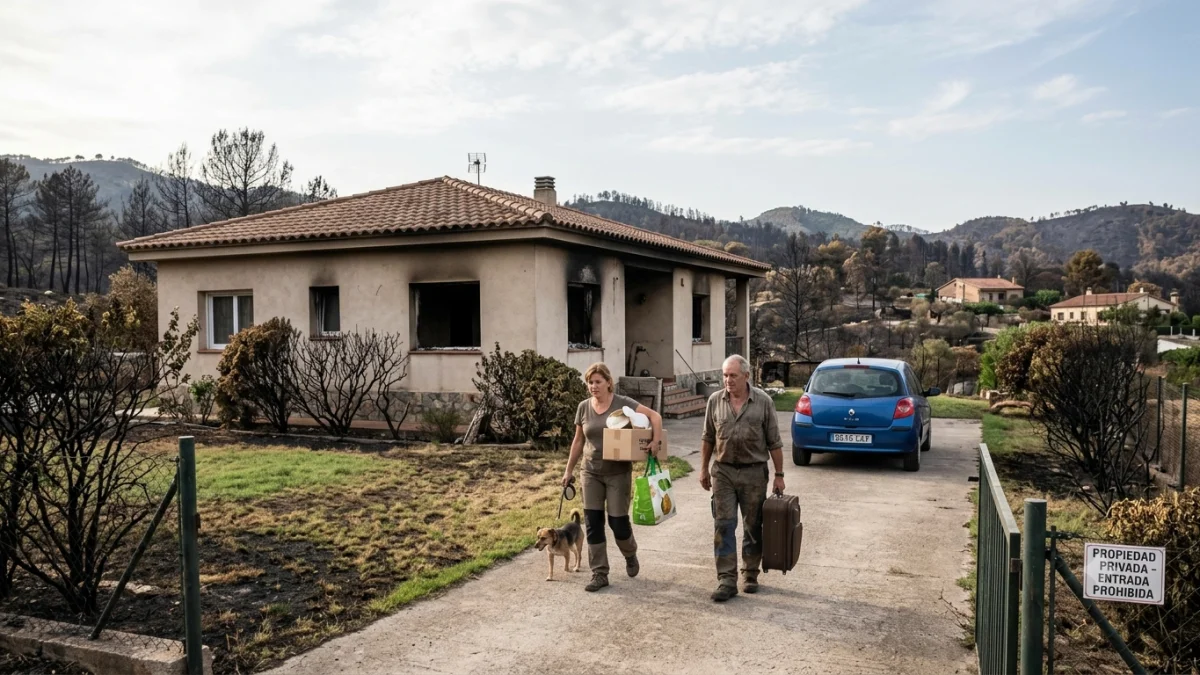


The first cars rolled back into villages as the smoke began to lift, passing blackened hillsides where pine forests had stood only days earlier. Residents unlocked front doors, surveyed scorched gardens and searched for signs that their homes had survived one of the most destructive wildfire seasons Europe has experienced. For many, returning marked the end of evacuation. It also marked the beginning of a much longer recovery.
Across parts of Spain, France and Greece, authorities have gradually allowed thousands of people to return after firefighters gained control over some of the largest blazes of the summer. Yet the return has unfolded under continued warnings that high temperatures, drought and shifting winds could quickly reignite fires in landscapes left dangerously dry after successive heatwaves.


The homecomings have become one of the defining moments of a season that stretched emergency services across southern Europe. Families who fled with little more than essential belongings have found sharply different outcomes. Some houses remain standing amid charred vegetation. Others have been destroyed or damaged beyond repair, while farms, livestock and forests that supported local livelihoods have been lost. Officials in several countries have begun assessing damage and preparing compensation as communities shift from emergency response to rebuilding.
In central Spain, authorities lifted evacuation orders in stages after firefighters slowed major blazes that had forced tens of thousands of people from their homes. Residents returning to Burgohondo expressed relief after discovering that many properties had escaped destruction even as crews continued working nearby to contain what authorities described as Spain's largest wildfire on record, burning more than 50,000 hectares. Firefighters remained deployed because hotspots and changing weather still posed risks.
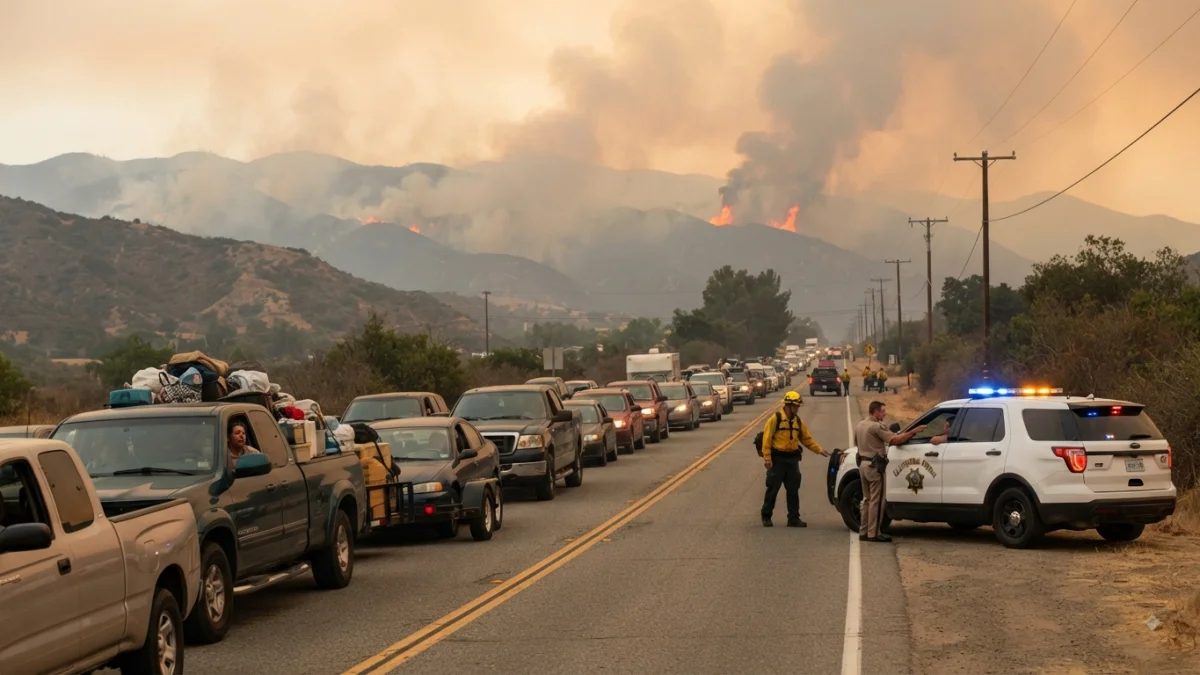
Elsewhere in Spain, evacuations eased only after days of coordinated operations involving firefighters, military units and aircraft. The return of residents came as officials warned that another period of extreme heat could reverse hard-won progress, underscoring how fragile containment remained throughout the season.
In Greece, similar scenes unfolded northwest of Athens after intense fires subsided. Residents walked back into communities where hillsides had been reduced to ash and smoke still lingered over parts of the landscape. Some spoke of the pain of seeing familiar surroundings transformed, while others criticized what they viewed as delays in the emergency response. Hundreds of firefighters remained positioned across affected regions because rugged terrain and strong seasonal winds continued to threaten flare-ups. The Greek government pledged financial support for those affected as investigators examined the causes of several fires, including one linked by authorities to possible sparks from electrical conductors.
The wildfire season has extended far beyond individual communities. According to European officials and satellite monitoring, 2026 has become one of the continent's most damaging fire years, with burned land already exceeding the annual average recorded over the previous two decades. Three successive heatwaves, prolonged drought and exceptionally high temperatures left vegetation unusually dry across large areas of southern Europe, creating conditions in which fires spread rapidly once ignited. Scientists continue to say that climate change is increasing the likelihood and intensity of extreme heat and wildfire conditions across Europe, now the world's fastest-warming continent.
The scale of the emergency required international assistance. Under the European Union Civil Protection Mechanism, aircraft, helicopters and firefighting teams crossed borders to reinforce exhausted local crews. Satellite mapping from the EU's Copernicus programme helped authorities monitor fire fronts and prioritize emergency operations while national governments coordinated evacuations involving hundreds of thousands of residents over the course of the season.
The economic consequences are also becoming clearer. The European Commission has estimated that this summer's wildfires have already caused losses exceeding 15 billion euros, strengthening calls for greater investment in prevention rather than relying primarily on emergency response. The Commission is urging member states to expand measures such as clearing combustible vegetation and restoring natural firebreaks, including wetlands, before future fire seasons begin.
For residents returning home, however, policy debates remain secondary to immediate practical concerns. Many must determine whether homes are structurally safe, whether electricity and water services have been restored, and whether fields, orchards or grazing land can still support a living. Local authorities, insurers and relief agencies face months of inspections and claims before many families know the full extent of their losses.
Firefighters also caution that recovery does not end when evacuation orders are lifted. Burned terrain remains vulnerable to erosion, while weakened trees and damaged infrastructure create additional hazards. Emergency services continue patrolling many fire zones even after visible flames disappear, responding to isolated flare-ups before they can develop into new emergencies.
The return of residents has therefore become less a conclusion than a transition. Roads that recently carried evacuation convoys now carry families back toward homes, farms and neighborhoods that must be rebuilt or restored. Across southern Europe, those journeys reflect both the resilience of affected communities and the growing reality that extreme wildfire seasons are becoming a recurring challenge for countries confronting a hotter, drier climate.