

Rising extreme heat is pushing the United Nations system to treat heat less as a series of isolated weather emergencies and more as a systemic global risk, with recent assessments and initiatives from the World Meteorological Organization, UN Environment Programme, UN Office for Disaster Risk Reduction and other agencies pointing to a widening threat to health, food security, infrastructure and economic activity.
The significance lies in the changing nature of the risk. Extreme heat is becoming more frequent and intense as global temperatures rise, while exposure is expanding through urbanisation, population growth and continued development in heat-prone regions. The UN response in 2026 increasingly focuses on measuring those combined risks and strengthening preparedness rather than responding only after temperature records are broken.


The scientific basis for that shift is well established. The Intergovernmental Panel on Climate Change has concluded that the frequency and intensity of hot extremes will continue to increase with additional warming, including if global warming is stabilised at 1.5°C. It also finds that rarer, more extreme heat events increase disproportionately as warming rises.
The latest WMO outlook adds a near-term dimension. Its May 2026 Global Annual-to-Decadal Update projects global average temperatures between 1.3°C and 1.9°C above the 1850-1900 average during 2026-2030. It puts the probability at 86% that at least one year in that period will exceed 2024 as the warmest year on record, and at 91% that at least one year will temporarily exceed 1.5°C above the pre-industrial level.
Those figures do not mean every year or region will experience record heat. Natural variability, including the developing El Niño, will continue to influence regional conditions. But they demonstrate why governments are increasingly planning for heat as a recurring hazard rather than an exceptional event.
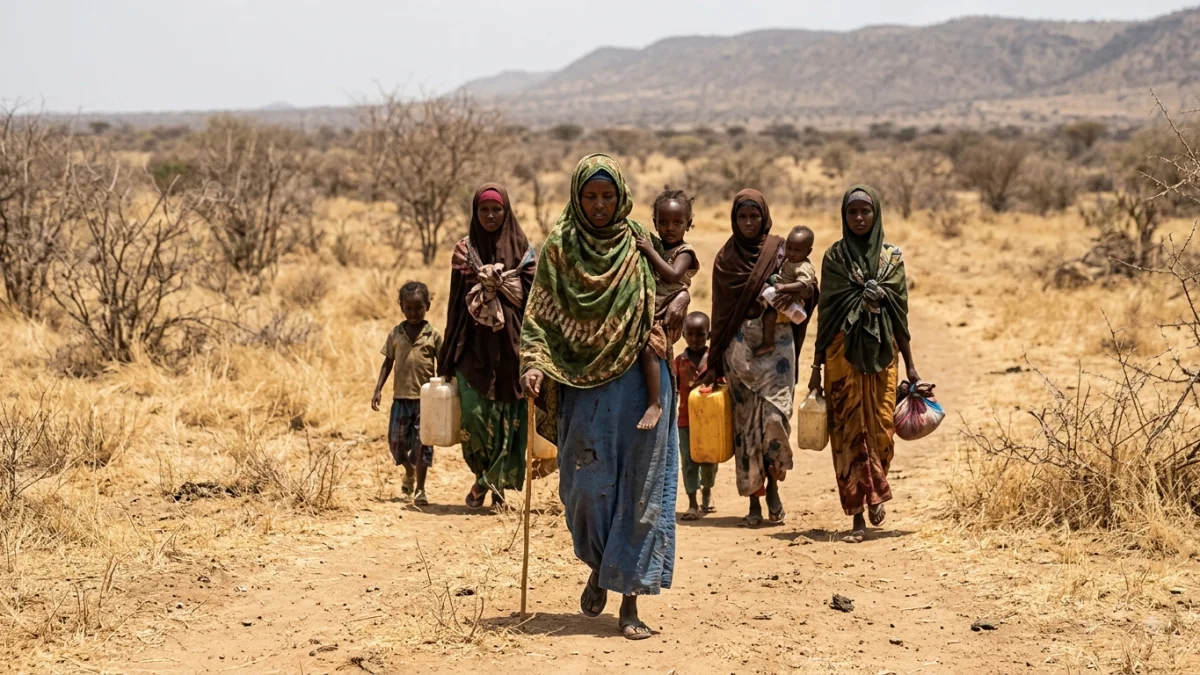
The UN system's recent work illustrates how that assessment is broadening. In April, the FAO and WMO described extreme heat as an urgent threat to agriculture and food security, citing effects on crops, livestock, water availability and rural livelihoods. The agencies said early-warning systems and anticipatory action can reduce risks, while also warning that adaptation has limits if temperatures continue to rise.
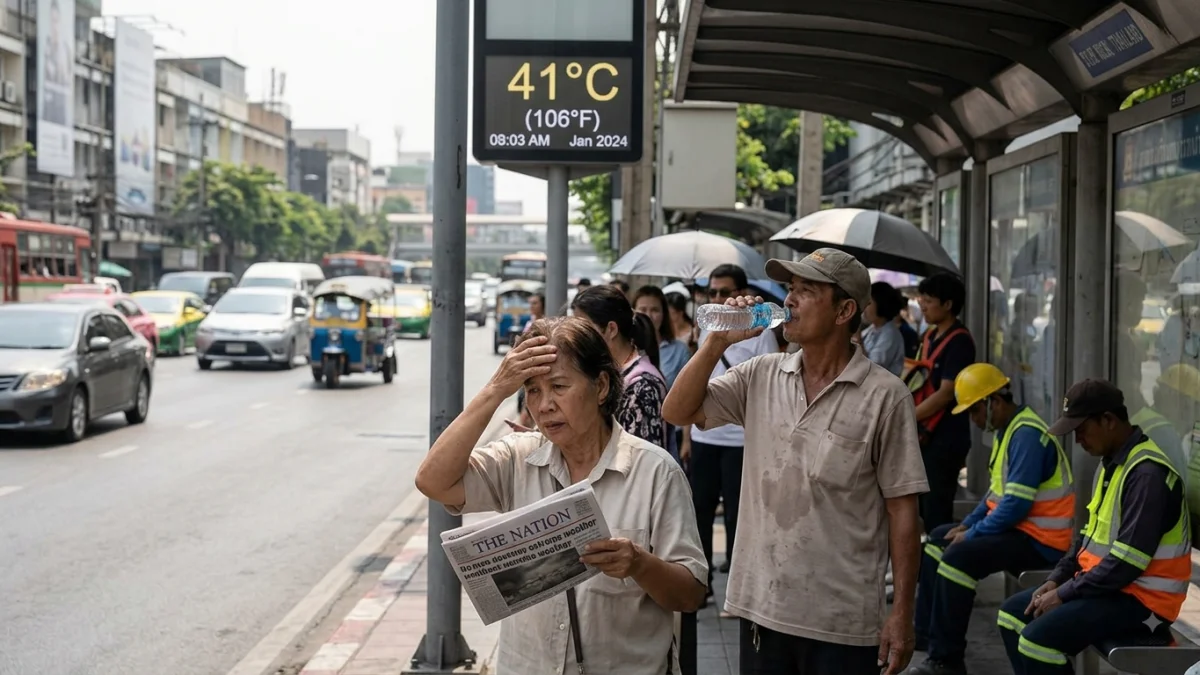
The implications extend beyond agriculture. The International Labour Organization reported in April that more than 2.4 billion workers are exposed to excessive heat, representing more than 70% of the global working population. Government, employer and worker experts subsequently agreed on measures including evidence-based exposure thresholds, health surveillance and workplace emergency plans. The conclusions are due to be considered by the ILO Governing Body in November.
Urban areas are a particular concern because heat interacts with infrastructure and social vulnerability. UNEP says cities are warming at roughly twice the global average rate when urbanisation and the urban heat-island effect are taken into account. Its 50@50 initiative, launched in June, brought more than 50 cities into a programme designed to stress-test urban systems against extreme heat and strengthen preparedness.
UNEP's heat-risk materials also illustrate how the definition of danger is changing. Its 2026 Beat the Heat initiative says extreme heat events that were once rare now occur nearly three times as often, while more than 100 cities already experience at least five days above 50°C in a year. UNEP projects that number could rise to around 150 cities at 2°C of warming and about 250 at 3°C.
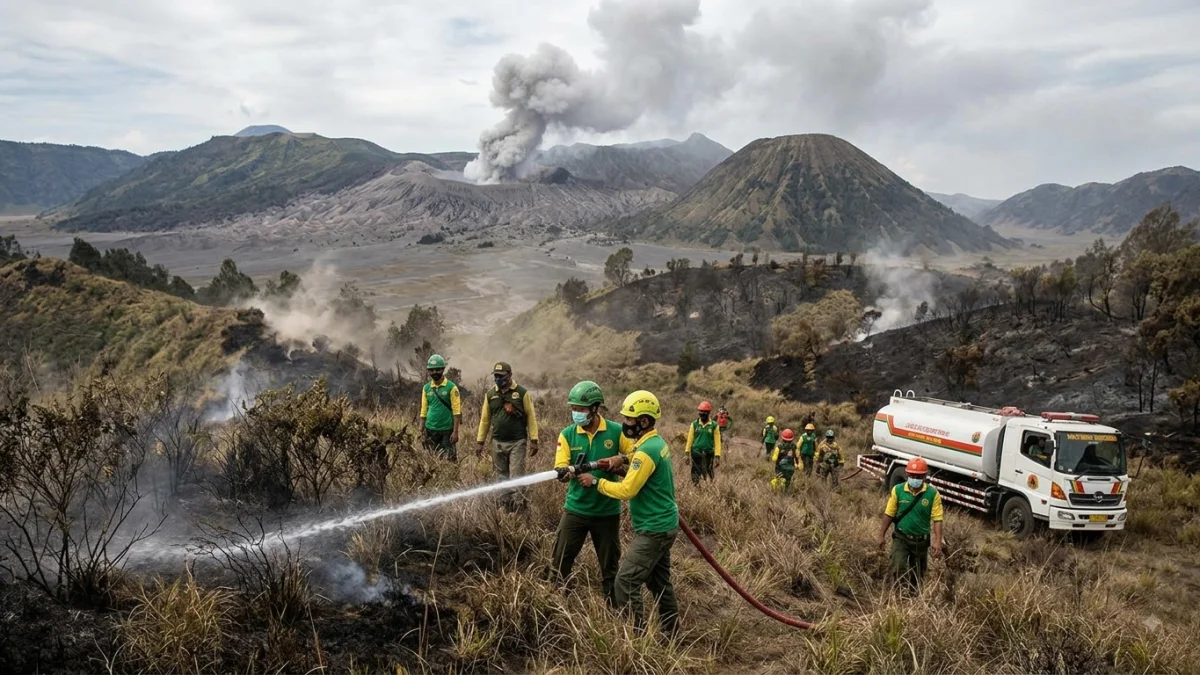
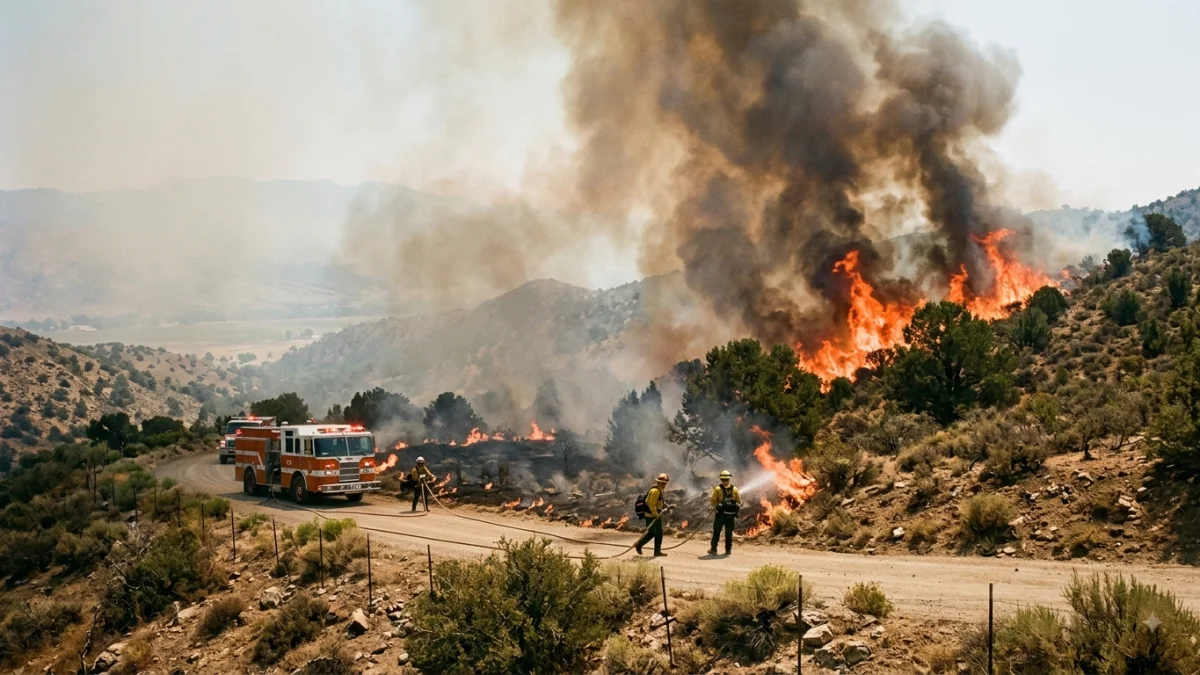
For disaster-risk authorities, the issue is therefore not simply whether temperatures rise further. It is whether governments can translate increasingly predictable hazards into decisions before health systems, electricity networks, transport, water supplies and food systems become stressed. UNDRR has been promoting an Extreme Heat Risk Governance Framework and tools for governments to assess and manage those interconnected risks, while WMO and WHO are expanding heat-health early-warning systems.
The remaining uncertainty concerns the timing, geographic distribution and severity of individual heat events, rather than the underlying direction of the trend. El Niño can amplify heat in some regions while increasing rainfall or reducing temperatures elsewhere, and local vulnerability varies sharply with infrastructure, humidity, demographics and access to cooling.
The confirmed direction of UN policy in 2026 is consequently toward integrated heat-risk assessment: combining climate projections with health, labour, agricultural, urban and disaster-risk information. Governments and UN agencies are continuing to monitor global temperatures, El Niño conditions, heat-related impacts and the effectiveness of early-warning and adaptation measures. The central question is increasingly how quickly those systems can convert increasingly frequent extreme heat into manageable risk rather than emergency.