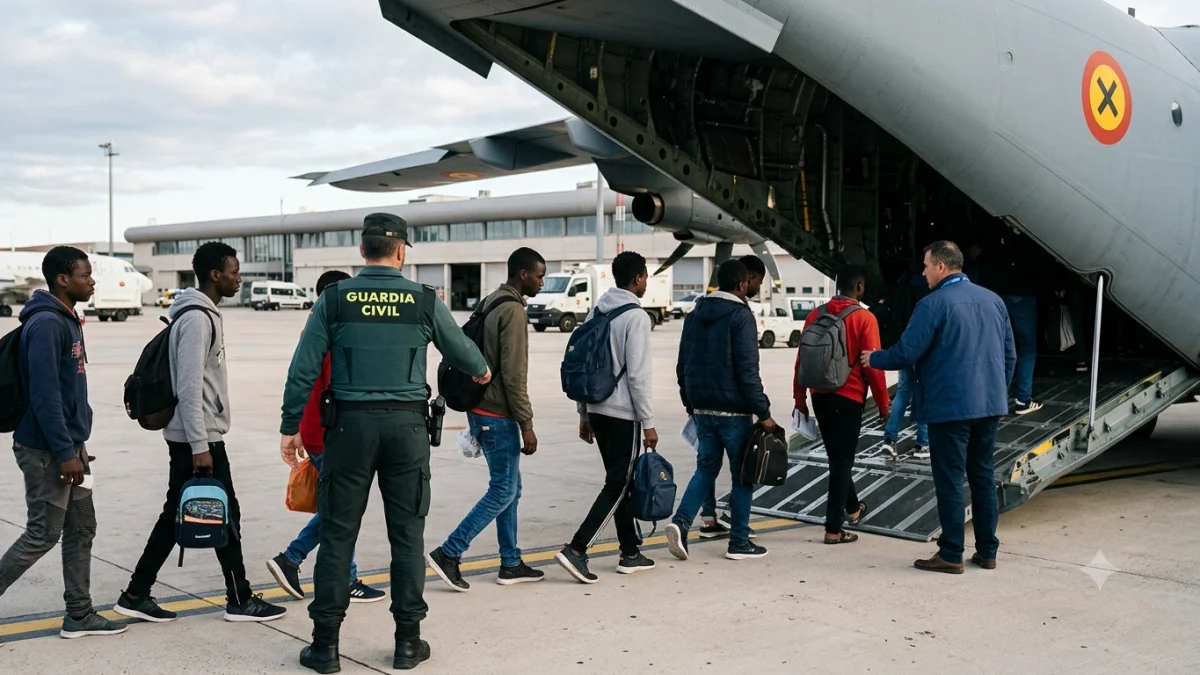


MADRID — Spain expects to begin transferring unaccompanied migrant children from the North African enclave of Ceuta to reception centers on the mainland within weeks after a recent migration surge overwhelmed local facilities, Youth Minister Sira Rego said on Friday.
The move follows the arrival of tens of thousands of migrants in Ceuta during a border crisis that peaked on July 30. While the vast majority have since returned to Morocco, Spanish authorities say more than 1,300 unaccompanied minors remain in the enclave, placing severe pressure on accommodation and child protection services.


Rego said the government would prioritize the transfer of girls and children under the age of 13, while deploying additional personnel and resources to Ceuta to improve conditions until relocations begin. She said the transfers would be carried out under Spain's child protection framework, with each case assessed individually.
Under Spanish law, unaccompanied minors cannot be summarily returned and are entitled to protection while authorities determine whether family reunification or other legal solutions are appropriate. Officials said administrative and judicial procedures designed to safeguard children's rights mean any repatriation process takes longer than that for adults.
Morocco has said it is prepared to cooperate with Spain and other European countries in identifying and facilitating the return of unaccompanied Moroccan minors. According to Morocco's state news agency MAP, the country's interior and foreign affairs ministries have been instructed to coordinate efforts aimed at family reunification and lawful returns where applicable.
The planned relocations have drawn criticism from Spain's far-right opposition, which opposes distributing migrant minors among the country's autonomous regions. Under Spain's decentralized system, regional governments are responsible for operating child reception services once minors are transferred from border territories.
Ceuta's reception network had already been operating under strain before the latest influx, and aid organizations have warned that existing facilities are insufficient for the current number of children. Some humanitarian groups have suggested the actual number of unaccompanied minors may exceed official estimates because not all children have yet been formally registered.
Spain has previously relocated hundreds of unaccompanied migrant children from Ceuta, Melilla and the Canary Islands to other regions under emergency migration arrangements introduced after earlier border pressures. Officials say the current operation will follow the same legal procedures while seeking to ease overcrowding in Ceuta as authorities continue processing individual cases.