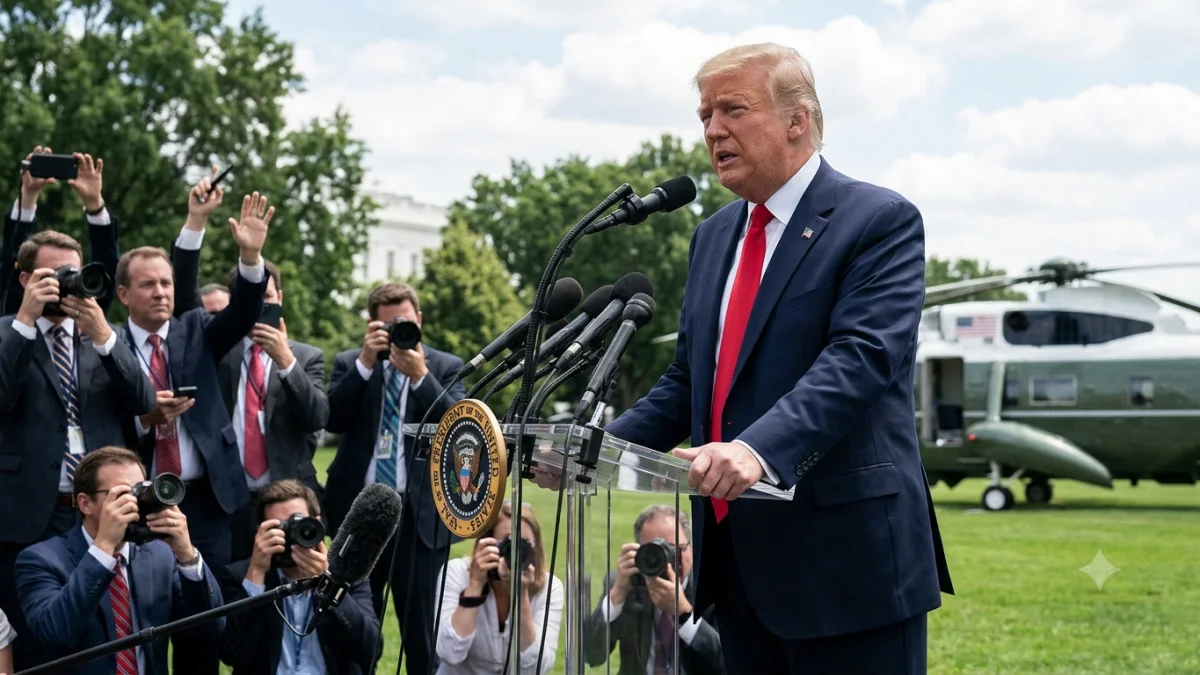


WASHINGTON — U.S. President Donald Trump said a deal to reopen the Strait of Hormuz could be reached soon, expressing optimism that negotiations with Iran were making progress, while officials in Tehran said key issues remained unresolved and no final agreement had been approved.
Speaking on Wednesday, Trump said discussions aimed at restoring commercial shipping through the strategic waterway were advancing and suggested an agreement could be completed in the near future. His comments came as U.S., Iranian and Omani negotiators continued diplomatic efforts following months of conflict that disrupted maritime traffic and raised concerns over global energy supplies.


The Strait of Hormuz, a narrow passage linking the Persian Gulf to the Gulf of Oman, is one of the world's most important oil transit routes. Shipping through the strait has been severely affected since fighting between the United States and Iran escalated earlier this year.
Trump said the negotiations were moving in a positive direction and indicated that reopening the strait would be a central element of any agreement. He has repeatedly said diplomacy remains his preferred outcome while warning that Washington is prepared to respond if talks fail.
Iran, however, signaled that important differences remain. Iranian officials said much of the negotiating text had been drafted but stressed that Tehran had not made a final decision and would not compromise on what it described as its core national interests.
According to people familiar with the negotiations, one proposal under discussion would establish new shipping arrangements involving Iran and Oman, with Iran assuming a greater role in managing inbound vessel traffic through parts of the strait. The reported framework has not been publicly confirmed by all parties, and details including shipping fees and inspection procedures remain under negotiation.
The United States has not publicly endorsed reported provisions that would expand Iran's operational role in the waterway. Washington has historically opposed any arrangement that could restrict freedom of navigation or impose additional costs on international shipping.
Energy markets have closely monitored the negotiations because any sustained reopening of the strait could help stabilize oil shipments after months of disruption. Analysts have said the ultimate test of any agreement will be whether commercial traffic resumes safely and whether the parties implement and maintain the terms of any accord.
As of Wednesday, no final agreement had been announced, and officials from the governments involved continued negotiations.