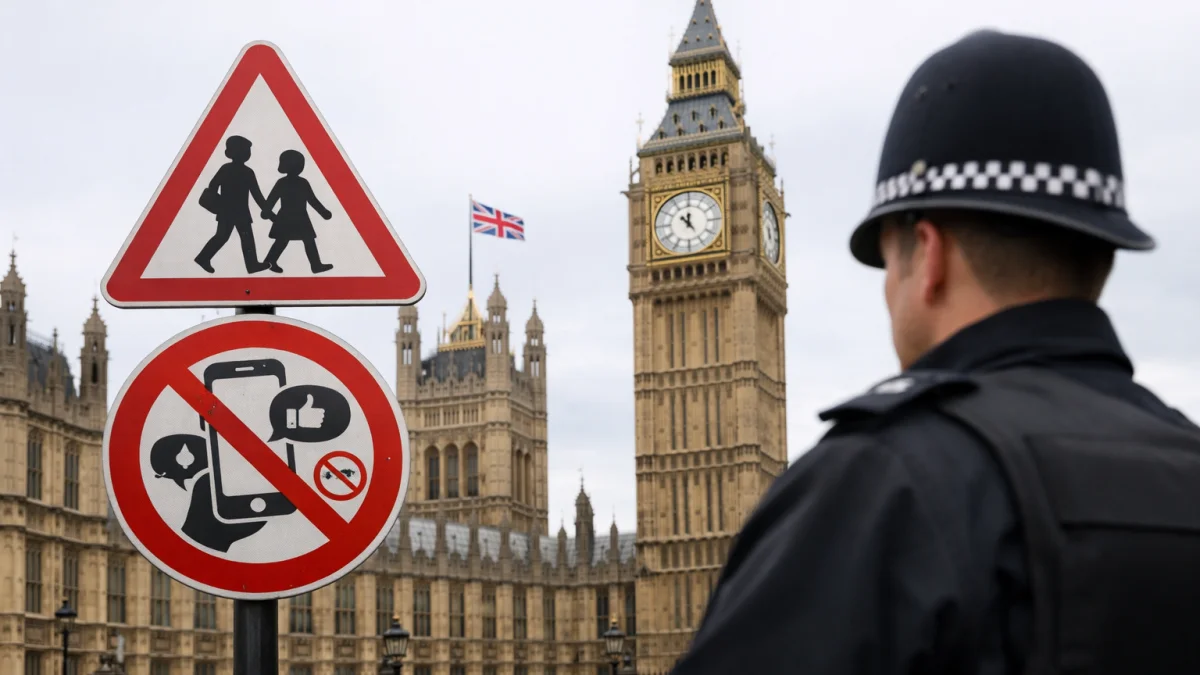


LONDON — New measures being introduced in the United Kingdom to limit children's exposure to potentially harmful content on social media platforms rank among the strictest regulatory requirements adopted worldwide, according to British regulators and government officials.
The measures form part of the implementation of the Online Safety Act and require technology companies to apply stronger protections for users under the age of 18. Britain's communications regulator, Ofcom, said companies must assess risks to children and take steps to prevent minors from accessing harmful content, including material related to self-harm, suicide, eating disorders and certain forms of violent content.


“These changes will mean safer social media feeds with less harmful and dangerous content, protections from being contacted by strangers and effective age checks on adult content,” Ofcom said when outlining the new requirements.
Under the framework, platforms that are likely to be accessed by children must introduce safeguards designed to reduce exposure to harmful material. Companies that fail to comply with their obligations could face substantial financial penalties or additional enforcement measures under the legislation, according to Ofcom.
The British government has described the rules as a major overhaul of online safety regulation. Officials said the requirements are intended to create stronger protections for children while maintaining access to digital services. The measures also place greater responsibility on technology firms to identify and mitigate risks associated with their products.
Supporters of the regulations, including child-safety organizations and some lawmakers, have argued that stronger controls are necessary because of growing concerns about the effects of harmful online content on young users. Campaign groups have repeatedly called for more robust age-verification systems and stricter oversight of social media platforms.
Technology companies and digital rights advocates have expressed concerns about aspects of online safety legislation in various countries, including issues related to privacy, implementation costs and the practical challenges of age assurance. Several major platforms have said they support child-safety objectives while continuing discussions with regulators about compliance requirements.
Britain's approach has drawn international attention as governments in Europe, North America and elsewhere consider similar restrictions aimed at protecting minors online. Other jurisdictions have introduced measures ranging from parental-consent requirements to age-verification systems, though regulatory models differ significantly.
The Online Safety Act was passed by Parliament in 2023, and Ofcom has been introducing its requirements in stages. The regulator has said platforms must complete child-risk assessments and implement required protections according to established deadlines.
As of June 2026, Ofcom said implementation of the child-safety provisions remains ongoing. Regulators continue to engage with technology companies regarding compliance, while enforcement powers are available for firms that fail to meet their legal obligations under the law.