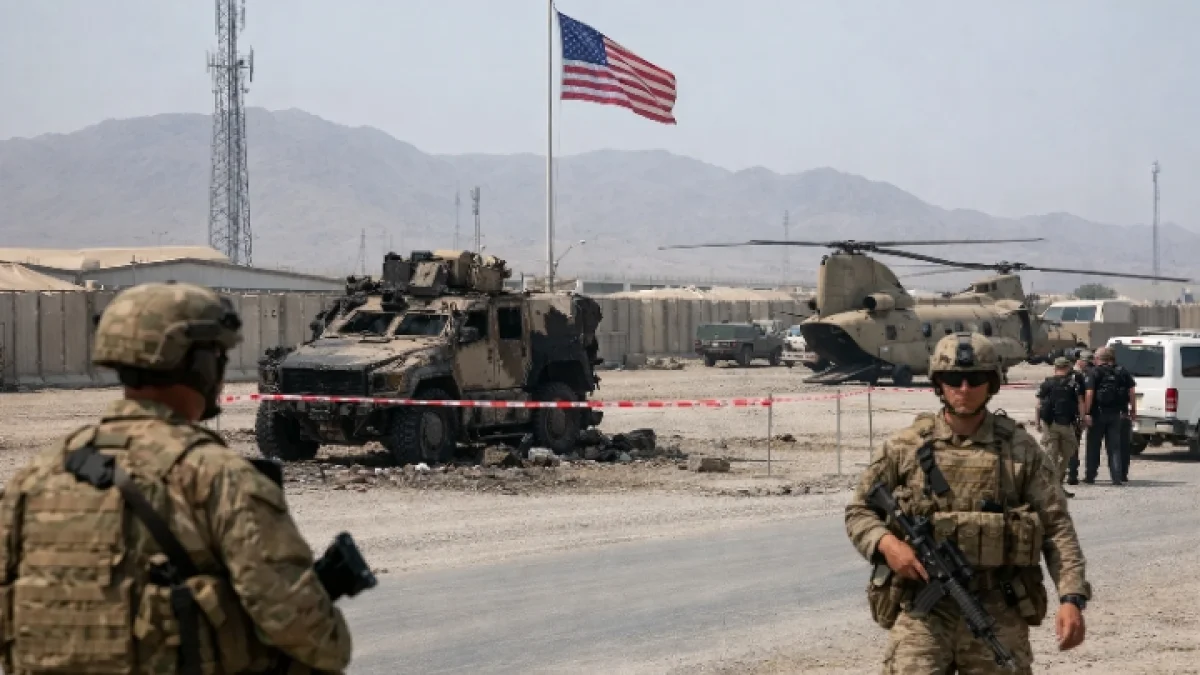


The deaths of two U.S. soldiers in an Iranian missile and drone attack on a military facility in Jordan have sharply increased pressure on an already fragile U.S.-Iran ceasefire, prompting a new round of American military strikes and raising fresh questions about whether diplomatic efforts can prevent a broader regional conflict. U.S. officials said the attack marked the first American combat deaths directly attributed to Iranian fire since hostilities resumed, while President Donald Trump authorized further strikes on Iranian military infrastructure in response.
The latest escalation matters because it tests the credibility of a ceasefire framework that had already come under strain from repeated accusations of violations, attacks on commercial shipping, and continued military deployments across the Gulf. While previous incidents challenged the durability of the truce, the deaths of U.S. personnel significantly raise the political and military stakes for Washington, making restraint more difficult while increasing pressure for a calibrated response that avoids uncontrolled escalation.


The U.S. military has described its latest operations as targeting Iranian missile, drone and surveillance capabilities used to threaten American forces and regional security. Iranian authorities, meanwhile, have condemned the strikes and accused Washington of violating previous understandings, illustrating how both governments continue to present their actions as defensive responses rather than offensive escalation. That competing narrative has complicated mediation efforts by regional actors seeking to preserve channels for diplomacy.
The renewed exchanges also demonstrate how localized military incidents can rapidly affect the wider Middle East security environment. U.S. personnel remain deployed across Iraq, Jordan, Kuwait, Bahrain and other regional locations to support counterterrorism operations and reassure partners. Those dispersed deployments create multiple points where miscalculation or additional attacks could trigger further retaliation. Military analysts have long argued that the geography of U.S. regional basing makes force protection a persistent challenge during periods of heightened confrontation.
Diplomatic efforts have not ceased despite the military exchanges. According to a senior Iranian official cited by Reuters, mediators have proposed a temporary 10-day ceasefire intended to create space for reviving an interim agreement between Washington and Tehran. The proposal reflects continuing efforts by regional intermediaries to separate immediate military de-escalation from broader disputes over security and political issues. Whether either side views such a temporary arrangement as politically acceptable remains uncertain.
The United Nations has continued to urge maximum restraint, warning that recent fighting illustrates the fragility of the current arrangements. In remarks to the U.N. Security Council earlier this month, senior U.N. officials said the resurgence of military confrontations demonstrated that even limited ceasefire understandings require sustained political commitment and effective communication mechanisms to prevent isolated incidents from expanding into wider conflict.
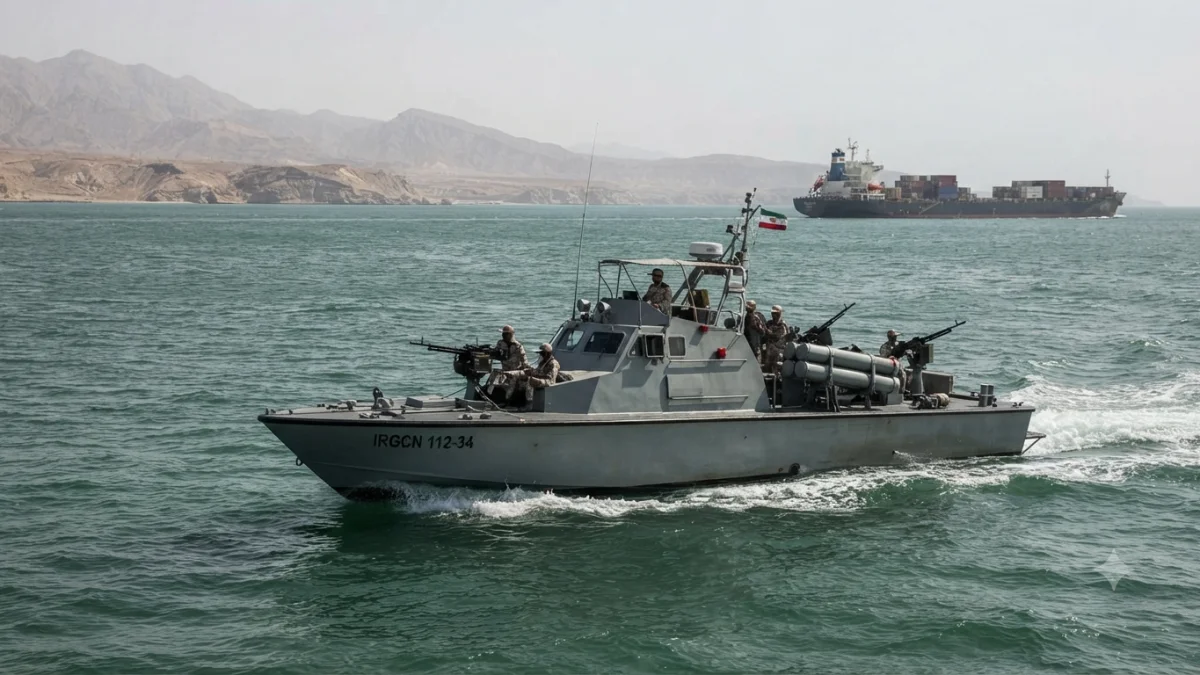
Beyond the military dimension, the confrontation is increasingly influencing global markets and regional economic stability. Continued attacks near the Strait of Hormuz have disrupted commercial shipping, contributing to higher oil prices and renewed concerns about global energy supplies. Reuters reported that Brent crude briefly exceeded $90 per barrel while shipping disruptions added uncertainty for energy traders and governments dependent on Gulf exports. Although markets remain sensitive to diplomatic developments, prolonged instability could have wider consequences for inflation and international trade.
Domestic political considerations also shape decision-making in both capitals. In the United States, the deaths of service members increase pressure on the administration to demonstrate that attacks on American forces will carry significant consequences while avoiding a conflict that could require a larger military commitment. In Iran, officials must balance military responses with economic pressures created by sanctions and prolonged regional instability. Those competing domestic priorities complicate diplomatic negotiations even when both sides publicly express interest in avoiding a broader war.
Historical experience suggests that ceasefires between longstanding adversaries often face their greatest test after fatal incidents involving military personnel. Previous U.S.-Iran confrontations have shown that retaliation can remain limited when communication channels remain open, but the risk of unintended escalation rises when repeated exchanges reduce political space for compromise. Analysts caution that sustained military operations increase the possibility of miscalculation, particularly where multiple regional actors and proxy forces operate in close proximity.
The confirmed situation remains fluid. U.S. forces continue military operations against Iranian targets following the deaths of American personnel, while diplomatic intermediaries continue efforts to restore a ceasefire framework. Officials are closely monitoring further attacks on U.S. forces, developments affecting commercial navigation in the Strait of Hormuz, responses from regional governments, and whether ongoing mediation can reduce the risk of additional escalation. Verified assessments of those developments will determine whether the current crisis stabilizes or continues to challenge the limits of the existing ceasefire arrangements.