

WASHINGTON — Rising wholesale prices continued to pressure businesses across the United States after government data showed producer inflation accelerating to its highest annual rate in more than three years, increasing costs for manufacturers, retailers and service providers.
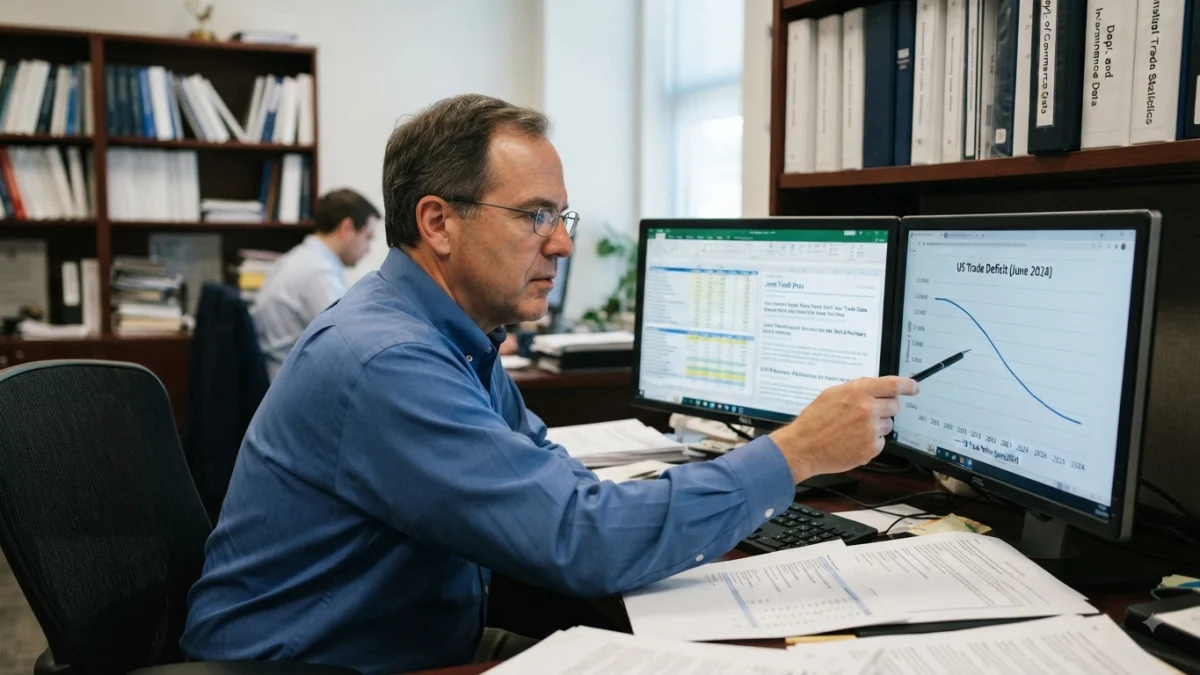
The U.S. Bureau of Labor Statistics reported on June 11 that the Producer Price Index (PPI), a measure of prices received by domestic producers, rose 1.1% in May from the previous month and was up 6.5% from a year earlier. The annual increase was the largest since November 2022.


Federal data showed that nearly 80% of the monthly increase was attributable to higher goods prices. Energy costs were a major factor, with final-demand energy prices rising 10.7% during the month. Transportation and warehousing services also recorded gains.
Businesses across multiple sectors have reported higher operating expenses in recent weeks. Grocery retailer Kroger said in its quarterly earnings report that inflationary pressures were expected to intensify during the second half of the year. Chief Executive Greg Foran said consumers were becoming more selective in their spending as living costs remained elevated.
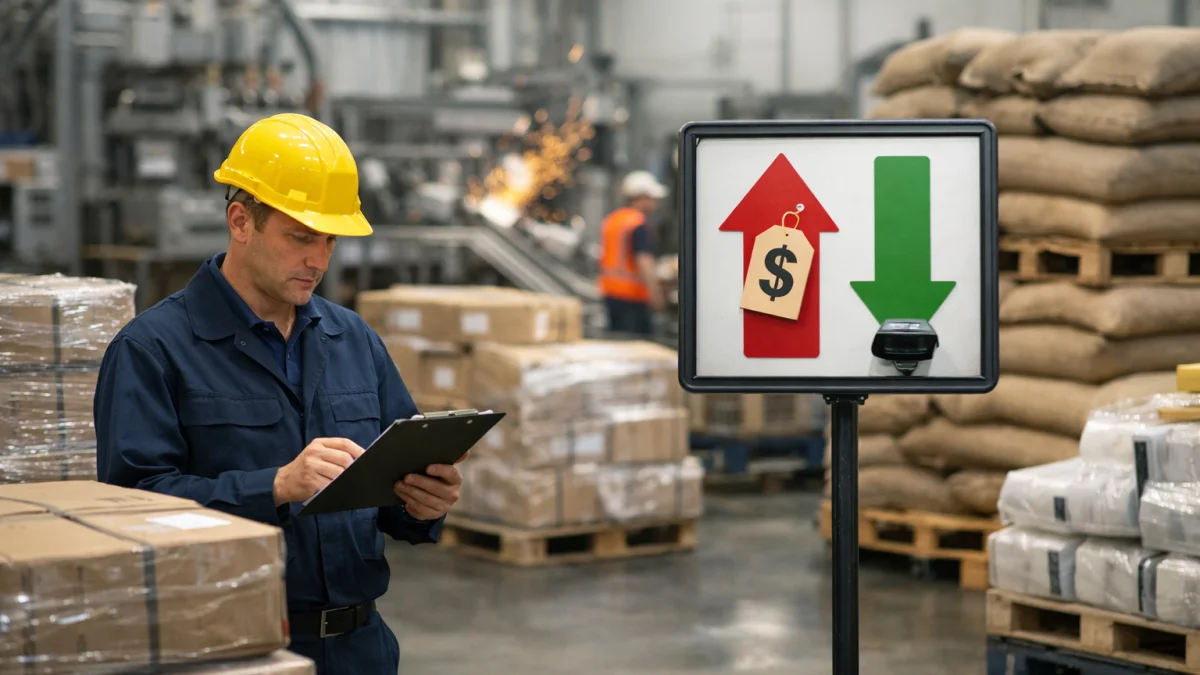
Economists and business groups have been monitoring whether higher producer costs will eventually be passed on to consumers. The PPI tracks price changes earlier in the supply chain and is often viewed as an indicator of future inflation trends, although businesses do not always transfer higher costs directly to customers.
“Producer prices rose at the fastest annual pace in more than three years,” Distribution Strategy Group said in a report examining the latest data, citing increased costs in fuel, freight and industrial inputs.
Analysts said businesses continue to face a challenging environment as they balance rising expenses with efforts to maintain sales and profitability.
The Bureau of Labor Statistics said its next Producer Price Index report, covering June data, is scheduled for release on July 15.