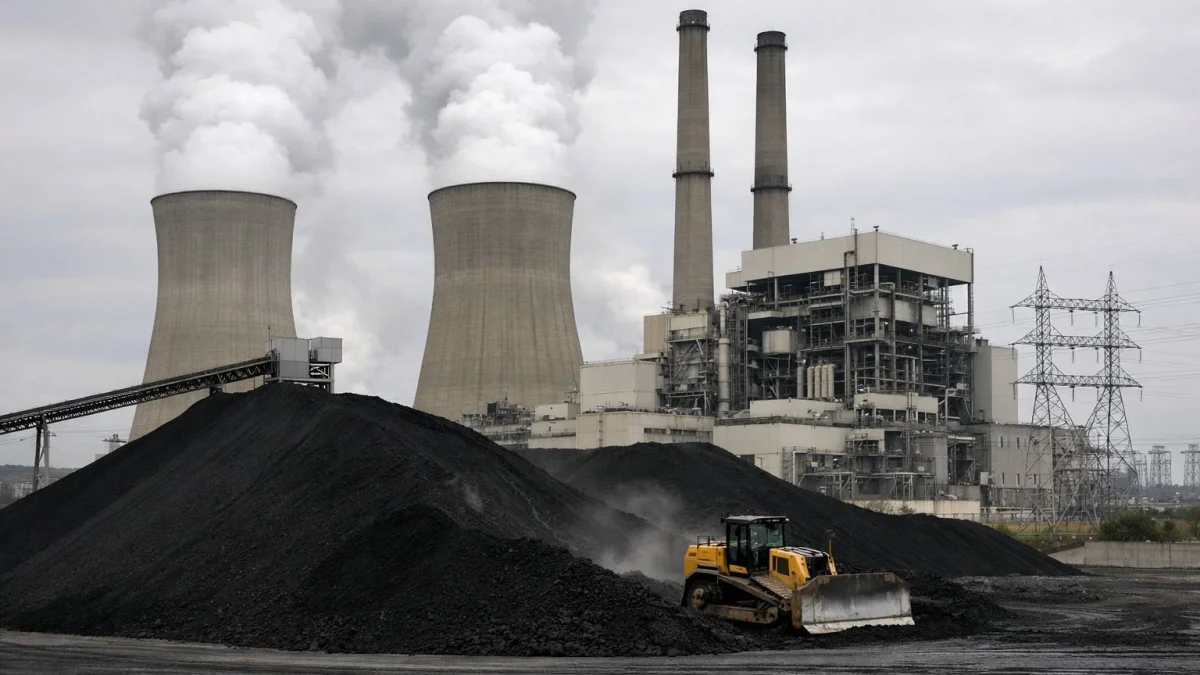
OMAHA — Berkshire Hathaway Inc. is facing continued scrutiny from environmental groups and policy analysts over emissions from coal-fired power plants operated by its utility subsidiaries, according to regulatory disclosures and environmental analyses reviewed in recent filings and reports in 2026.
The scrutiny centers on Berkshire Hathaway Energy (BHE), which operates coal-fired generation assets across several U.S. states and is pursuing a long-term transition away from coal. The issue has drawn attention amid broader debates over utility emissions, grid reliability, and the pace of decarbonization in the U.S. power sector.
BHE, a subsidiary of Berkshire Hathaway, has stated in regulatory filings that it continues to invest in renewable energy and plans to retire remaining coal units over time, with a goal of reducing greenhouse gas emissions substantially compared with 2005 levels. The company has also indicated plans to cease coal operations at additional generation units through the 2030s and 2040s, subject to regulatory approvals and system reliability requirements.
However, environmental analyses based on federal emissions data have previously found that Berkshire’s coal fleet is among the highest emitters of nitrogen oxides (NOx) in the United States, a class of pollutants linked to smog formation and respiratory illness. Those analyses have also noted that a smaller share of Berkshire’s coal generation uses advanced emission control systems compared with some industry peers.
Environmental Defense Fund and other advocacy organizations have also pointed to federal exemption programs and regulatory actions affecting coal plants nationwide in 2026, arguing that such measures can delay compliance with hazardous air pollutant standards, though specific plant-level implications for Berkshire subsidiaries have not been independently detailed in those filings.
Berkshire Hathaway has previously said its energy subsidiaries aim to balance emissions reduction with affordability and reliability obligations to regulators and customers, and that investments in renewable generation and transmission are ongoing. The company has reported multi-billion-dollar capital spending on wind, solar, and storage assets over the past decade, alongside continued operation of fossil-fuel facilities.
In earlier statements and filings, BHE has said it is working with state regulators to manage the retirement of coal assets in a staged manner while maintaining grid stability. The company has not publicly announced any immediate change to its coal fleet strategy in 2026 beyond previously disclosed retirement schedules.
The latest regulatory filings indicate that coal operations remain part of Berkshire Hathaway Energy’s generation mix, while additional retirements are expected to proceed in phases over the coming years subject to approvals and system needs.