

Colombia’s new president takes office in Cali, putting security at the center of a divided city
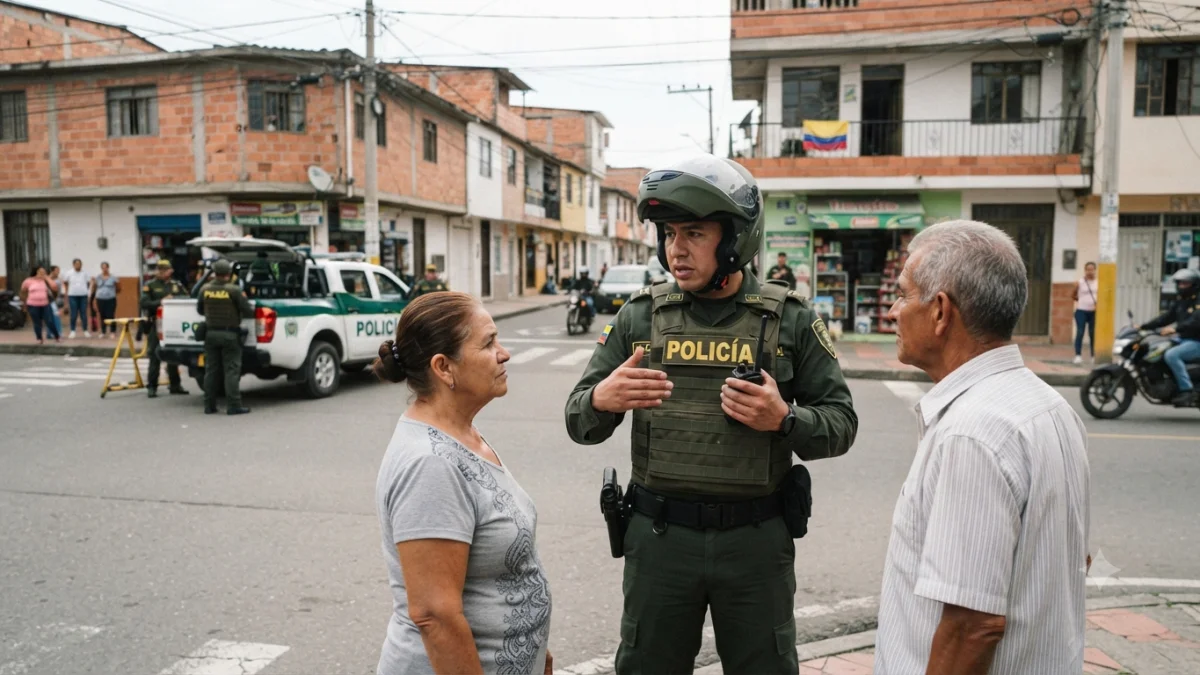
The roads around the auditorium in Cali were not simply routes to a presidential ceremony on Friday. They became part of the security operation surrounding the transfer of power, with police checkpoints searching vehicles for explosives and soldiers and armored vehicles deployed near the venue.


For residents of Colombia’s southwestern city, the measures offered a concrete sign of what President Abelardo de la Espriella has promised since winning the June runoff: a government that will confront armed groups with force rather than continue the negotiations pursued by his predecessor, Gustavo Petro.
De la Espriella, a 48-year-old lawyer and businessman who had never held public office, was sworn in on Aug. 7 in Cali rather than Bogotá, breaking with the country's longstanding inauguration tradition. The choice of Cali was deliberate. The city and the wider southwest have been affected by violence linked to dissident factions of the former Revolutionary Armed Forces of Colombia, the National Liberation Army and criminal groups involved in drug trafficking and illegal mining.
For the new administration, the location turned a constitutional ceremony into a statement about security and territory.
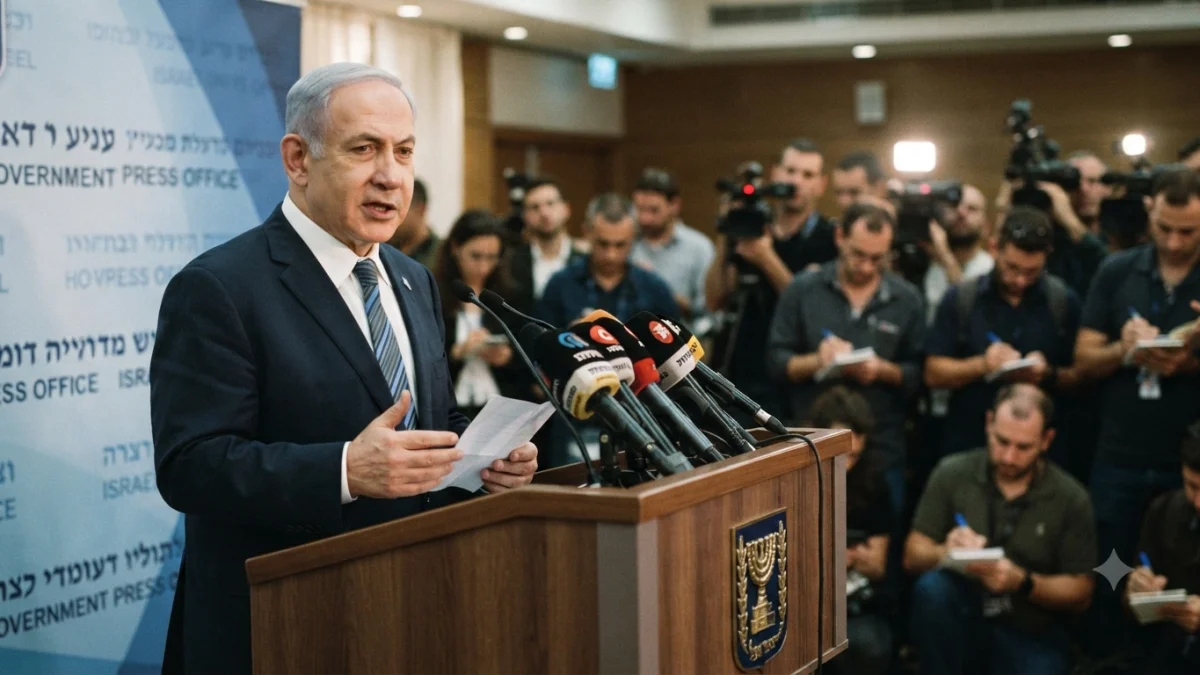
De la Espriella has rejected Petro's policy of negotiating with armed groups, arguing that the approach failed to restore order. In his inaugural remarks, he pledged to “relentlessly defeat narco-terrorism” and said that “the option of dialogue is completely exhausted.”
That shift is being watched closely in communities where security is not an abstract political question. Colombia's southwest remains contested by armed organizations that have continued operating despite the 2016 peace agreement with the main FARC organization. Their presence has sustained pressure on communities and authorities in a region where illegal economies provide armed groups with revenue and influence.
Cali's own experience with violence and political unrest gives the change particular weight.
During the presidential campaign, the city backed De la Espriella's left-wing rival, Senator Iván Cepeda. In the first round, Cepeda received 541,270 votes in Cali, compared with 371,718 for De la Espriella, according to pre-count results reported after all 5,168 polling stations in the city had been counted. Cepeda also led De la Espriella across Valle del Cauca.
That electoral divide remained visible on inauguration day.
Protests took place in Cali, Bogotá and Barranquilla. In Puerto Resistencia, a Cali neighborhood that became a focal point of the large anti-government demonstrations of 2021, 25-year-old protester Sebastián Ocampo told the Associated Press that demonstrators were “defending dignity” and making clear that De la Espriella had not won the city's support.
Amanda Castro, a 29-year-old merchant from southern Cali, described the mood more cautiously, saying there were “very divided opinions in Cali” and that she hoped demonstrations would remain peaceful.
Those competing reactions illustrate the challenge facing a president whose election victory was itself narrow. De la Espriella defeated Cepeda in the June runoff, succeeding Petro after four years in which Colombia's first leftist president pursued negotiations with armed organizations as part of his effort to reduce violence.
The new government's security approach will therefore be judged not only by its ability to confront armed groups, but also by what happens to civilians living in areas affected by the conflict.
Before the inauguration, Colombian authorities had already been reinforcing security in Cali. In April, the national government said the Army's Third Brigade, the metropolitan police and Cali's security authorities were conducting joint patrols, road checkpoints and operations in areas considered vulnerable to crime.
The presidential ceremony intensified those measures. Authorities coordinated a security operation involving national and local institutions, with reinforced public-security capabilities and controls on major access routes.
For the administration, the symbolism extended beyond the city. After taking the oath, De la Espriella traveled to a military battalion in Cali to address troops, combining a message of support for the armed forces with a warning to illegal groups that they must surrender or face military action.
The policy change also carries international implications. The United States said it intended, subject to congressional approval, to provide $1 billion in security assistance to De la Espriella's government. The president has also said Colombia will join the “Shield of the Americas,” a U.S.-backed regional effort against drug trafficking.
But the immediate test will remain local.
In Cali, where voters largely rejected the new president at the ballot box, his government has chosen to begin its mandate by placing security at the center of the national stage. That means communities that have experienced both armed violence and political confrontation will be among the first to see whether the promised shift from negotiation to military pressure produces greater security, or another cycle of confrontation.
For residents such as Castro, the question is not simply which political direction Colombia has taken. It is whether the country's new security strategy can be carried out without deepening the divisions already visible in the streets of the city where the new president chose to begin his term.