

The competing claims by Iran and the United States over control of the Strait of Hormuz have turned a long-standing energy chokepoint into a central test of maritime security, with commercial traffic remaining sharply depressed and negotiations over reopening the waterway unresolved.
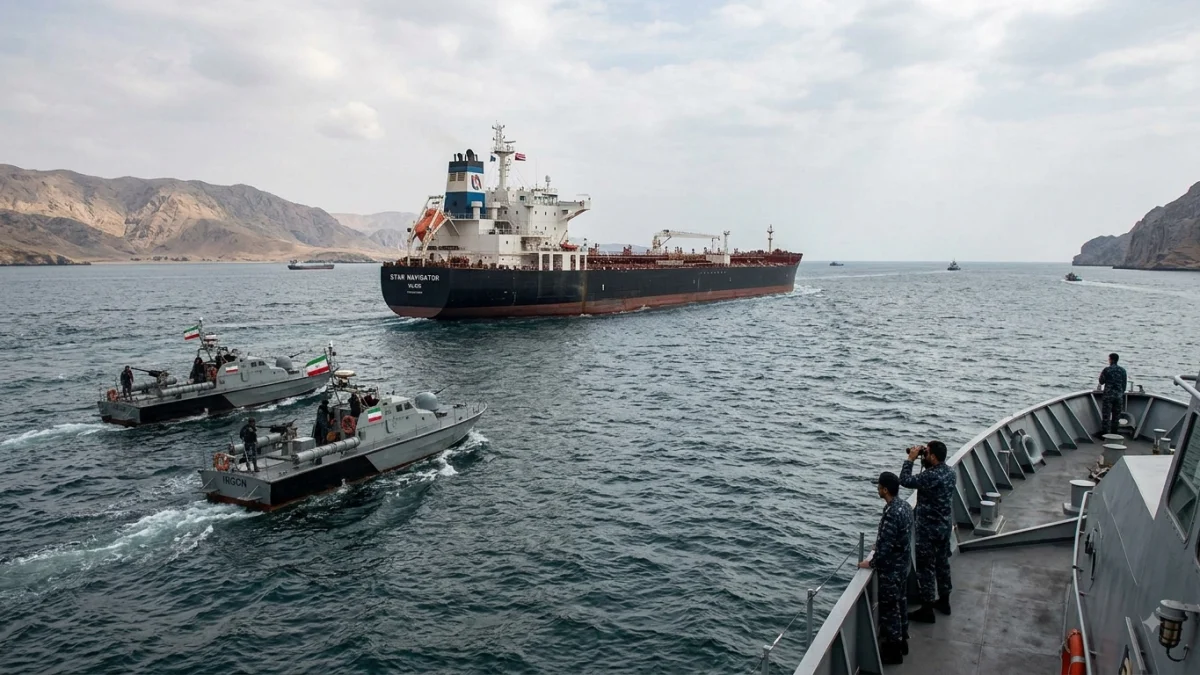
Iran has said the strait is under its control, while U.S. President Donald Trump has asserted that the United States has “total control” of the waterway. The conflicting claims have not translated into a restoration of normal commercial navigation. Shipping data reported by Reuters showed only eight vessels were tracked in the strait on Aug. 11, a one-week low, as shipowners avoided the route amid continued hostilities.


The immediate significance is economic as well as military. The Strait of Hormuz connects the Persian Gulf with the Gulf of Oman and the Arabian Sea and carries a large share of the world's seaborne energy trade. U.S. Energy Information Administration data show that oil flows through the strait averaged about 20.9 million barrels per day in the first half of 2025, equivalent to roughly one-fifth of global petroleum liquids consumption and about one-quarter of globally traded maritime oil. About 89% of the crude oil and condensate moving through Hormuz was destined for Asian markets, making China, India, Japan and South Korea particularly exposed to disruption.
The vulnerability extends beyond crude oil. About 20% of global liquefied natural gas trade passed through Hormuz in 2024, predominantly Qatari LNG, according to the EIA. Most of that LNG also went to Asian markets. A prolonged disruption therefore has the potential to affect both oil prices and regional gas markets, although the actual impact depends on the duration of the disruption, available inventories, alternative supply and the ability of producers to redirect cargoes.
Alternative infrastructure can reduce, but not eliminate, the risk. The EIA estimates that pipelines in Saudi Arabia and the United Arab Emirates could bypass the strait with about 4.7 million barrels per day of capacity, only a fraction of normal Hormuz oil flows. This imbalance explains why the waterway remains difficult to replace even when Gulf producers can redirect some exports.
The shipping data also show why nominal military control is different from effective commercial access. Reuters reported that only 33 vessels passed through Hormuz from Monday through Thursday in the week ending Aug. 6, compared with 50 during the same period a week earlier. Before the conflict, weekly traffic was roughly 130 to 140 vessels. The decline reflects the decisions of shipowners, insurers and cargo interests as much as the physical presence of naval forces.
That distinction is important for energy security. A waterway does not need to be completely sealed to disrupt global supply. If insurers raise premiums, crews face heightened risks or owners conclude that passage cannot be reliably protected, vessels may avoid the route even when governments declare it open. The result can be higher freight and insurance costs, longer voyages and reduced availability of tankers, with effects extending beyond the immediate area.
Recent attacks on commercial vessels have reinforced those concerns. The United Arab Emirates said on Aug. 13 that two Abu Dhabi National Oil Co. vessels were attacked while transiting the strait, with no injuries reported. The UAE accused Iran of carrying out the attack. The incident followed an earlier reported attack on an ADNOC-linked vessel and came as Tehran and Washington continued to make competing claims over the waterway.
Diplomacy remains the principal mechanism for restoring predictable navigation. Iran and Oman have been negotiating arrangements governing shipping through the strait, with U.S. officials saying earlier in August that they expected an agreement that could permit commercial traffic to resume. Reuters reported that Washington had linked the restoration of unobstructed commercial shipping to the lifting of its blockade of Iranian ports. Subsequent attacks and renewed disagreement have complicated that process.
The legal framework adds another layer to the dispute. The United Nations Convention on the Law of the Sea establishes a regime of transit passage for straits used for international navigation and states that such passage should not be impeded. The convention also recognizes the sovereignty and jurisdiction of states bordering the strait, subject to the applicable international rules. The International Maritime Organization has separately emphasized safe navigation and has maintained a framework for evacuating merchant ships and seafarers affected by the conflict.
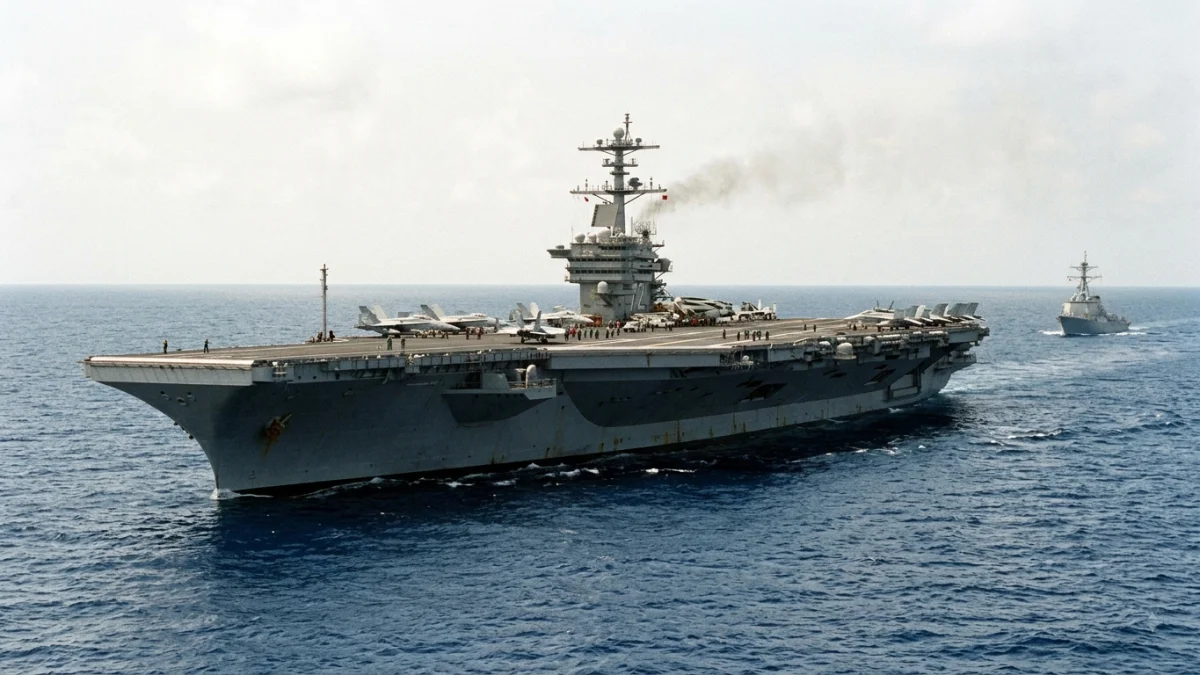
Markets have so far reflected the uncertainty without moving in a single direction. Oil prices rose on Aug. 14 after the United States threatened to maintain its naval blockade of Iran indefinitely, with Brent trading around $87 a barrel early in the session. The previous day, prices had fallen more than 2% as traders weighed weaker demand expectations and higher U.S. crude inventories against geopolitical risks.
The confirmed situation is therefore one of constrained navigation rather than a settled transfer of control. Iran and the United States continue to assert conflicting positions, commercial traffic remains far below pre-conflict levels, and attacks on shipping continue to pose a direct operational risk. The key developments being monitored are the outcome of Iran-Oman negotiations, any restoration of sustained commercial passage, further attacks on vessels or energy infrastructure, and changes in naval enforcement or blockade policy. Until those factors are resolved, Hormuz remains a significant source of uncertainty for global oil, LNG and maritime security.