As temperatures climbed above 40 degrees Celsius across large parts of Europe in late June, daily routines that usually define the start of summer gave way to improvised efforts to stay safe. Families searched for cooler public spaces, outdoor workers adjusted schedules where possible, and local authorities opened cooling centres while emergency services prepared for a surge in heat-related illnesses.
The record-breaking heatwave has become more than a meteorological event. Across cities, towns and rural communities, it has reshaped ordinary life, exposing how extreme heat increasingly influences where people work, how children spend school days, and how older residents navigate even routine activities.
Scientists have described the episode as the most severe heatwave Europe has experienced, with temperatures breaking national records in several countries including Germany, Poland, the Czech Republic and Hungary. Health authorities and the World Health Organization have warned that Europe, the world's fastest-warming continent, faces growing risks as such events become more frequent in a changing climate.
The effects have reached far beyond weather statistics.
In France, officials urged residents to slow their pace, remain hydrated and avoid unnecessary travel during the hottest hours of the day. Public buildings offered refuge from the heat while many schools altered activities or closed temporarily as classrooms became difficult to cool. Transport services also faced disruption as high temperatures affected infrastructure.
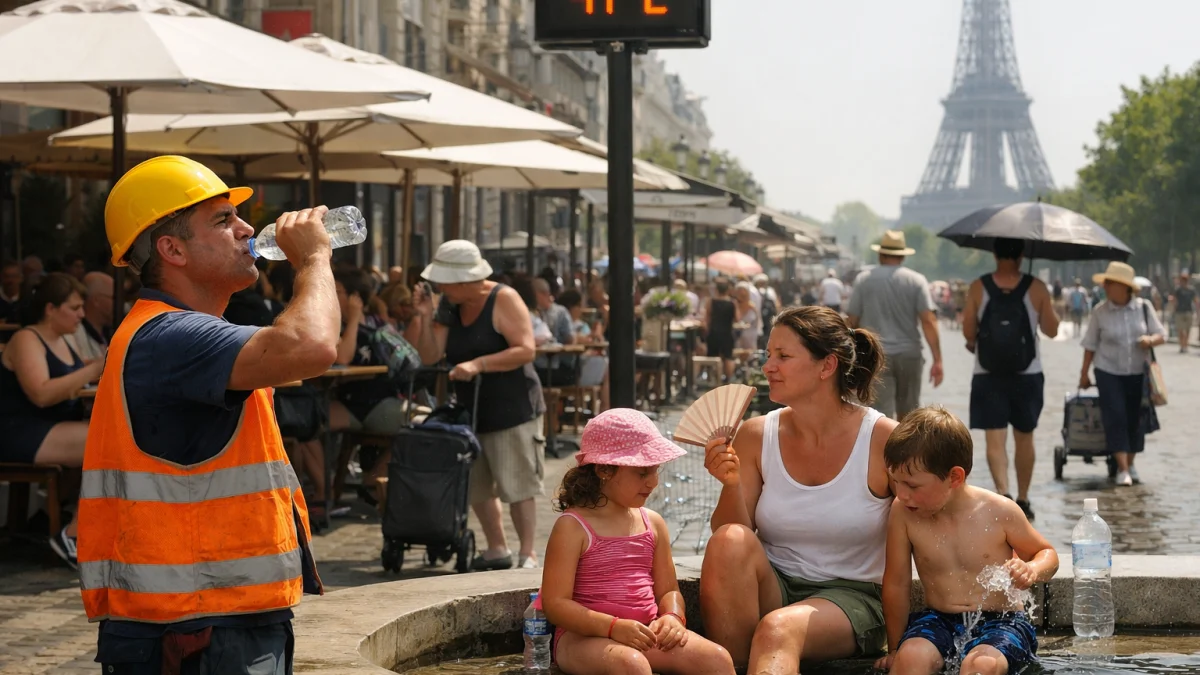
For workers whose jobs cannot be moved indoors, the challenges have been immediate. Construction crews, delivery drivers, agricultural workers and municipal employees have worked under exceptional conditions, with employers in some areas shifting hours toward early mornings or evenings to reduce exposure. Occupational safety specialists have long warned that prolonged heat raises risks of exhaustion, dehydration and accidents while reducing productivity.
Communities have also adapted in visible ways. In Berlin, police and fire services used water cannons and hoses to cool public spaces as residents sought relief from temperatures that exceeded previous national records. Authorities across Europe advised people to avoid strenuous outdoor activity and to check regularly on elderly neighbours and relatives, who remain among those most vulnerable during prolonged periods of extreme heat.
The consequences have been particularly severe for older people.
France's public health agency reported around 1,000 excess deaths during several days of extreme heat, with approximately 85% of those who died aged 65 or older. Officials cautioned that the full health impact often becomes apparent only after temperatures begin to fall because heat-related illness can have delayed effects. The World Health Organization has repeatedly described heat as a "silent killer" that disproportionately affects older adults, people with chronic illnesses and those living in poorly ventilated housing.
Families have adjusted their routines as well. Parks, playgrounds and sporting events emptied during afternoon hours while parents sought indoor activities or shaded public spaces. Many households relied on electric fans, improvised cooling measures and careful scheduling to avoid the most dangerous periods of the day. In regions where air conditioning remains uncommon, particularly in northern Europe, homes built to retain warmth often struggled to shed heat overnight.
The strain has extended to critical infrastructure.
Power systems have faced increased demand as cooling needs rose. In Hungary, elevated river temperatures forced the Paks nuclear power plant to reduce output because warmer cooling water limited operations. Rivers across southern Europe have also shown signs of stress, with Italy's Po River receding enough in places to allow seawater to move farther inland, creating additional concerns for agriculture and ecosystems.
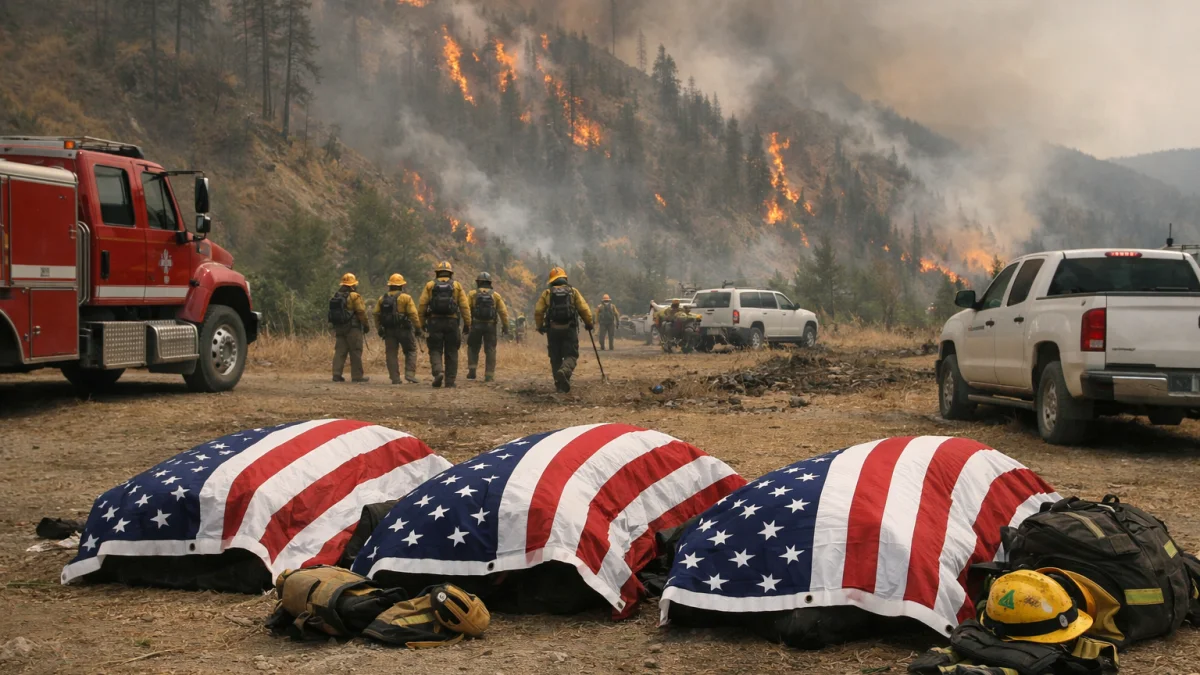
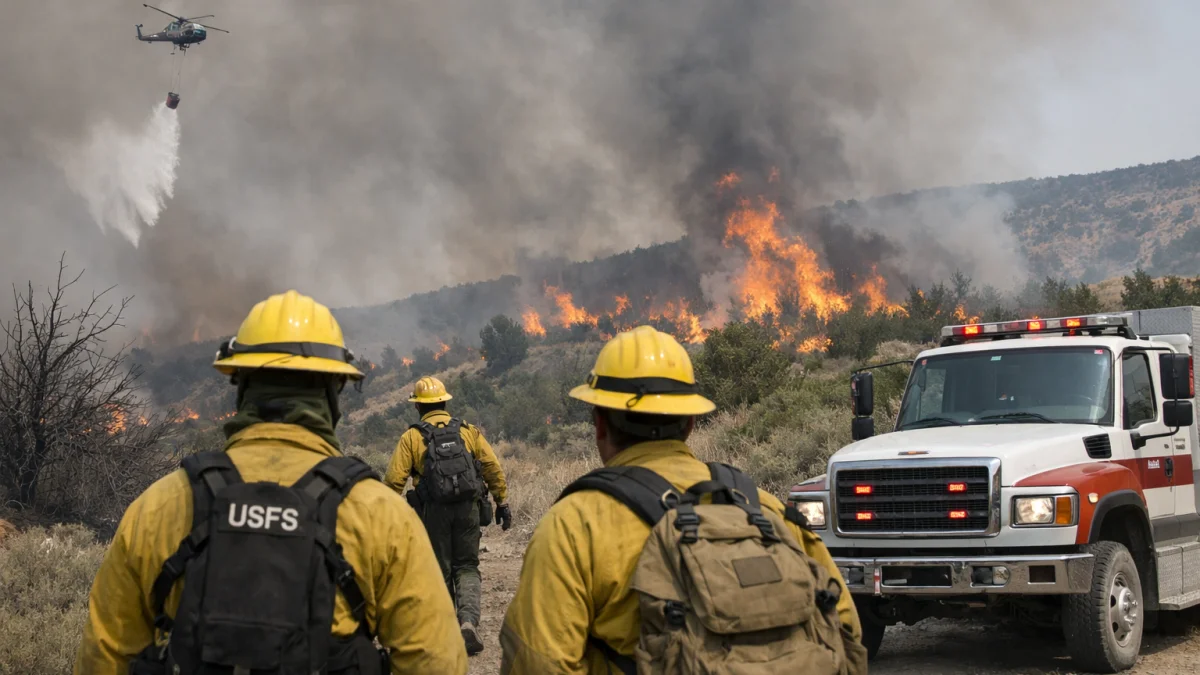
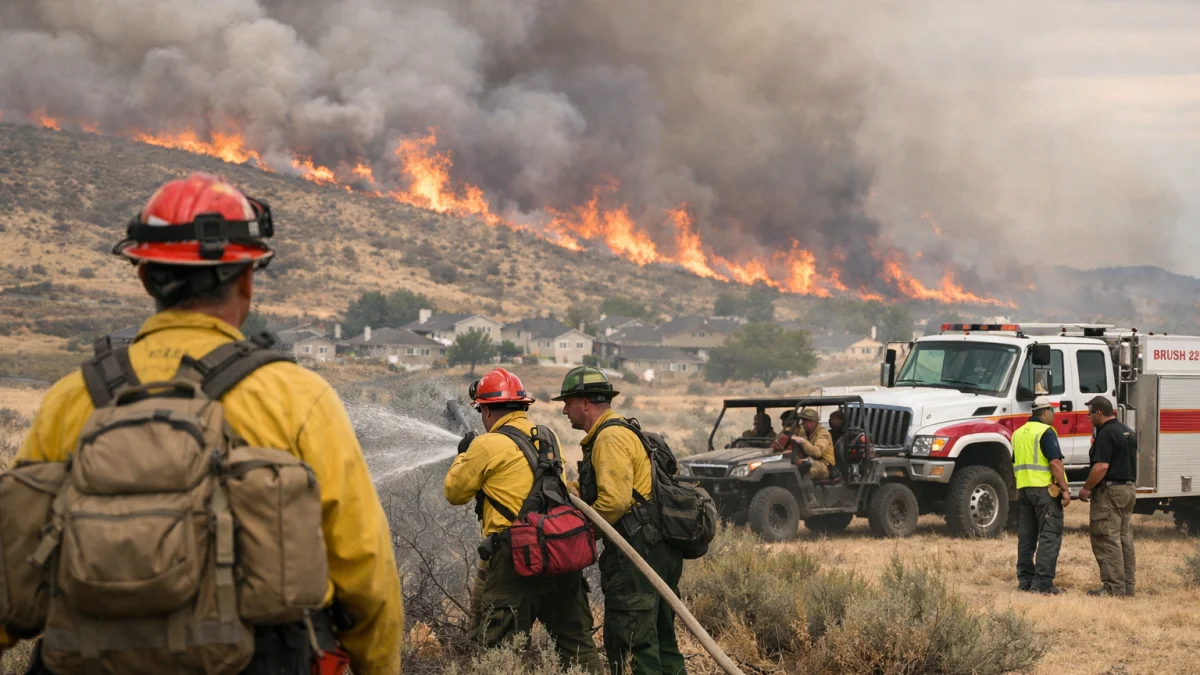
Emergency responders have dealt with more than heat illness alone. Authorities reported drownings as people sought relief in rivers, lakes and other unsupervised swimming locations. Firefighters also battled heightened wildfire risks in several countries as dry conditions combined with extreme temperatures.
Climate researchers say the heatwave fits a broader pattern rather than standing as an isolated event. Copernicus Climate Change Service documented an unusually early heatwave in May before the even more intense conditions that followed in June. Scientists from the World Weather Attribution initiative concluded that human-induced climate change made this episode dramatically more likely, while the World Health Organization has urged governments to strengthen preparation for increasingly frequent extreme heat.
Meteorologists expect cooler conditions to bring relief to parts of western Europe, but health officials caution that the effects of prolonged heat often continue after temperatures decline. Hospitals may continue treating patients suffering delayed complications, while communities begin assessing damage to infrastructure, agriculture and public health.
For millions of Europeans, however, the lasting memory of this record-breaking June is likely to be less about thermometers than about the adjustments woven into everyday life: altered work schedules, quieter streets in the afternoon sun, neighbours checking on older residents, and families reorganizing ordinary routines around a climate that is making exceptional heat increasingly difficult to regard as exceptional.