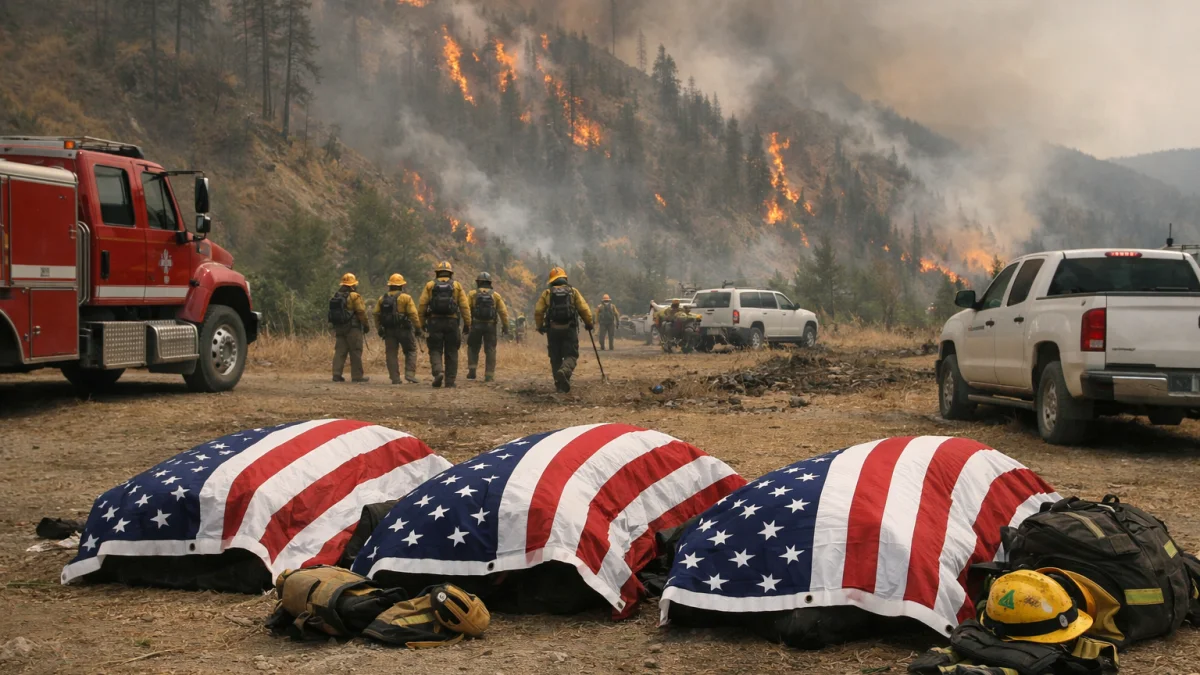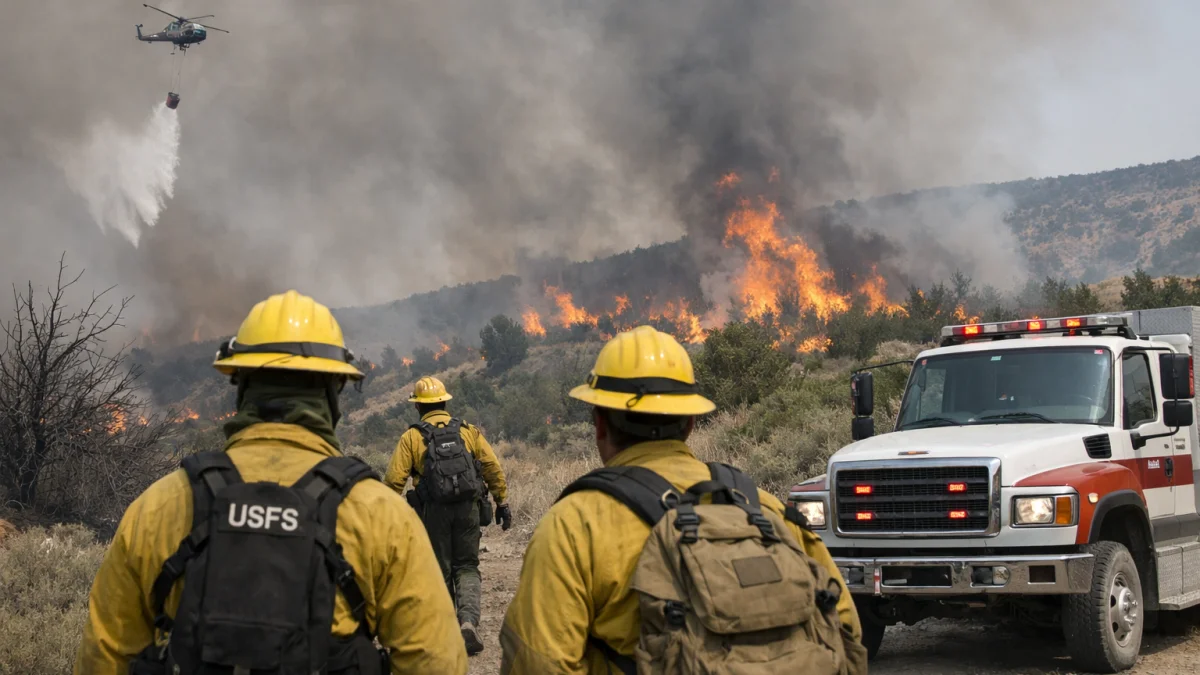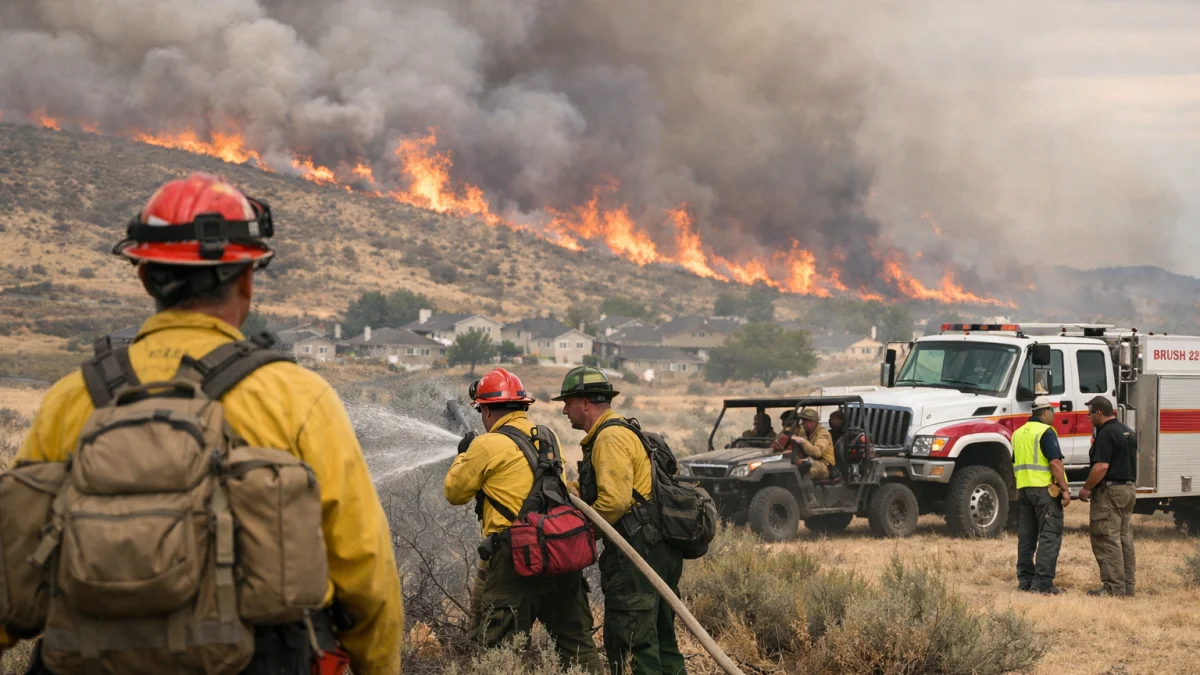
Utah is battling multiple large wildfires in late June 2026, with the Cottonwood Fire in Beaver County surpassing 70,000 acres and remaining largely uncontained, while the Iron Fire near Eureka has burned over 40,000 acres. These blazes, amid a season that has already seen hundreds of fires and tens of thousands of acres burned statewide, highlight intensifying challenges for fire management across the drought-prone Western United States.
The significance lies in the convergence of extreme environmental conditions and systemic strains on suppression and prevention capabilities. Utah's 2025-26 winter was among the warmest on record with low snowpack, leaving vegetation critically dry and enabling rapid fire growth under high temperatures, low humidity, and winds. The Cottonwood Fire, which started June 22, exhibited "extreme fire behavior" with uphill runs and spotting, prompting evacuations and road closures. State Forester Jamie Barnes described the events as "unlike anything we've seen in recent memory," noting fires spreading farther and faster than historical patterns.
This year's activity builds on prior trends but stands out for its early intensity and scale. By late June, Utah had recorded hundreds of fires burning tens of thousands of acres, with many human-caused. The Cottonwood Fire is on track to be among the state's most destructive in terms of potential property impact. Nationally, wildfire activity exceeds 10-year averages, with the Western U.S. facing above-normal potential due to persistent dry fuels.
These fires underscore broader gaps in Western fire management. Federal land dominates much of Utah and the region—about two-thirds of the state—placing heavy reliance on U.S. Forest Service and other interagency resources. Recent federal workforce reductions, including roughly 16% losses at the Forest Service through buyouts, layoffs, and retirements, along with proposed budget constraints and shifts toward a consolidated Federal Wildland Fire Service, have raised concerns about response capacity. Advocates note fewer incident management teams available and reduced support for proactive measures like prescribed burns and technical assistance to states.
Utah officials have mobilized multi-agency responses, drawing national resources, and implemented measures such as statewide fireworks restrictions and fire prevention orders. The state has invested in its own wildfire funding and community defense grants, but officials acknowledge strains when multiple large fires burn simultaneously in challenging terrain. Historical comparisons show increased fire frequency and size linked to climate-driven changes: longer seasons, earlier snowmelt, and more extreme weather. Models project continued rises in burned area, though fuel dynamics add complexity to long-term forecasts.
Competing views exist on management priorities. Some emphasize expanding suppression resources and streamlining federal support, while others stress accelerating fuels reduction, community preparedness in the wildland-urban interface, and ecosystem restoration to build resilience. State and federal assessments attribute much of the immediate pressure to current drought and weather, even as longer-term warming amplifies risks. Utah's Division of Forestry, Fire and State Lands reports most fires remain human-caused, underscoring the role of public prevention alongside agency efforts.
As of late June 2026, the Cottonwood and Iron Fires continue to challenge containment efforts amid ongoing critical fire weather, with evacuations and closures in effect. Total seasonal acres burned in Utah remain below some recent peaks but reflect heightened early-season risk. Uncertainties include the trajectory of monsoon patterns, which could either alleviate or exacerbate conditions, and the full impact of federal resource reallocations on sustained response. Officials are monitoring national resource availability and evolving weather forecasts as additional fires emerge across the West.