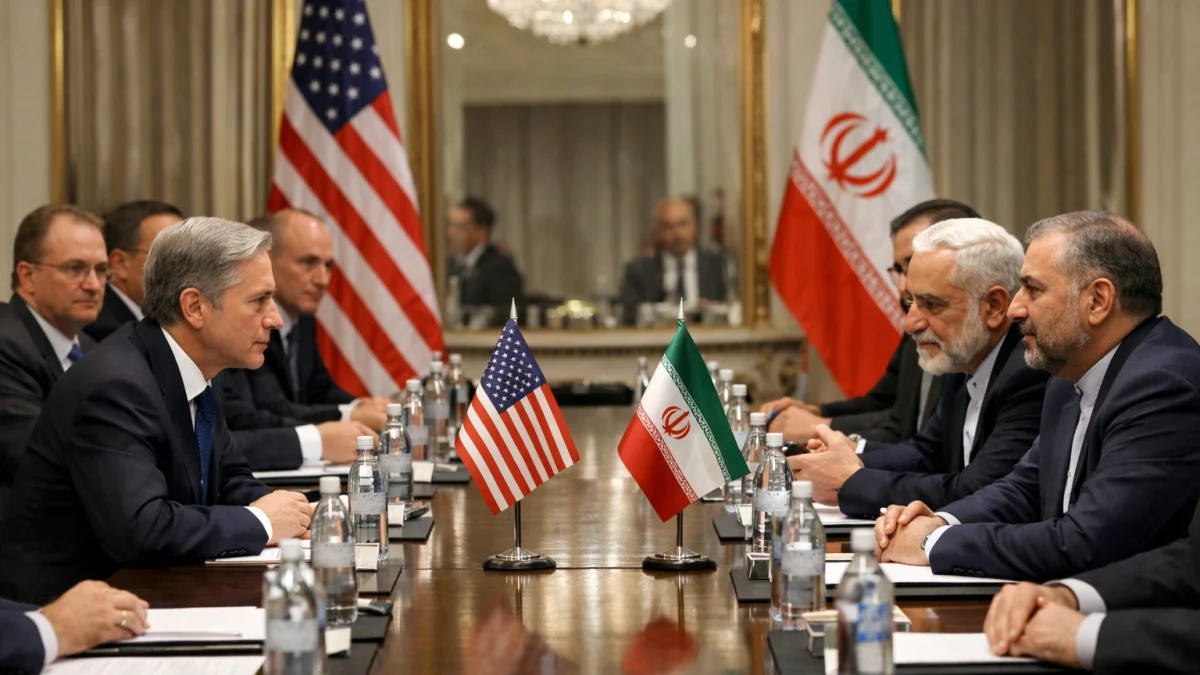


BUERGENSTOCK, Switzerland — The first round of U.S.-Iran nuclear negotiations concluded on Monday with what mediators described as “encouraging progress,” as both sides agreed to continue technical discussions aimed at reaching a broader agreement within 60 days.
Representatives from the United States and Iran met over two days at the Swiss mountain resort of Bürgenstock under mediation by Qatar and Pakistan. In a joint statement, the mediators said the parties had agreed on a roadmap toward a possible final deal and would continue negotiations at the technical level in the coming days.


U.S. Vice President JD Vance, who led the American delegation, said the talks had produced concrete steps on nuclear oversight and regional security issues. “We have laid a very good foundation for a successful final deal,” Vance said after the discussions, according to statements released on Monday. He added that Iran had agreed to permit international nuclear inspectors to return as part of the negotiating framework.
Iranian officials also reported progress while cautioning that significant issues remain unresolved. Tehran has long maintained that its nuclear program is intended for civilian purposes, while U.S. officials have sought stronger verification measures and limits on nuclear activities as part of any long-term agreement.
The talks followed a memorandum of understanding reached earlier this month that established a 60-day negotiating period and called for discussions on nuclear verification, sanctions-related issues and broader regional security concerns. The head of the International Atomic Energy Agency, Rafael Grossi, said last week that the memorandum provided a basis for beginning detailed technical work on verification measures.
Mediators said Monday’s discussions also addressed mechanisms to maintain commercial navigation through the Strait of Hormuz and reduce regional tensions, including those linked to Lebanon. The joint statement described the atmosphere as constructive despite public disagreements between Washington and Tehran in recent days.
The negotiations took place amid heightened tensions in the region and after public warnings from U.S. President Donald Trump that military action could resume if diplomacy failed. Iranian officials, meanwhile, reiterated that any agreement would require respect for Iran’s sovereignty and fulfillment of commitments made under previous understandings. Details of potential sanctions relief remain unclear.
As of Monday evening, no final agreement had been reached. Mediators said technical teams would continue working throughout the week, while senior officials from both countries are expected to review progress before deciding on the next round of high-level negotiations.