

BERLIN — German industrial production rose unexpectedly in June, extending a run of gains that points to some resilience in the euro zone's largest economy despite elevated energy costs, geopolitical uncertainty and weak external demand.
Industrial output increased 0.2% from May on a seasonally and calendar-adjusted basis, data from the Federal Statistical Office (Destatis) showed on Friday. May's increase was revised to 0.7%. Economists had expected production to be broadly unchanged, according to a Wall Street Journal poll.


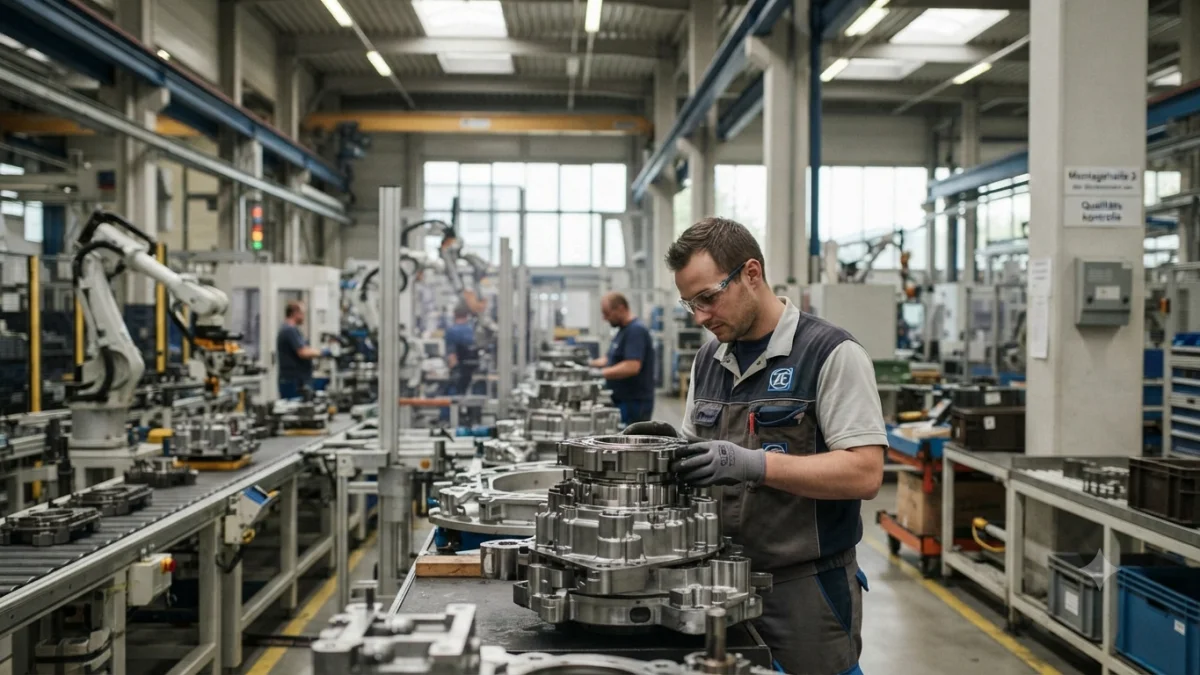
The June increase marked a third consecutive monthly rise in industrial production, according to market data based on the Destatis figures. Automotive production was a major contributor, rising 3.6% from the previous month, while output of other transport equipment increased 8.4%. Machinery and equipment production, however, fell 3.9%.
The figures add to signs that Germany's manufacturing sector has maintained momentum after a difficult start to the year. Industrial production rose 0.9% in May, when growth was led by a 3.6% increase in automotive output, while production excluding energy and construction rose 0.8%.
Manufacturing orders have also provided support. German factory orders unexpectedly increased 3.1% in June after a revised 0.3% rise in May, according to Destatis data reported earlier this month. Economists had expected orders to fall 0.4%.
Exports provided another positive signal. Germany's exports rose 0.9% in June, according to an analysis of the Destatis data by ING, helping support industrial activity despite persistent trade pressures.
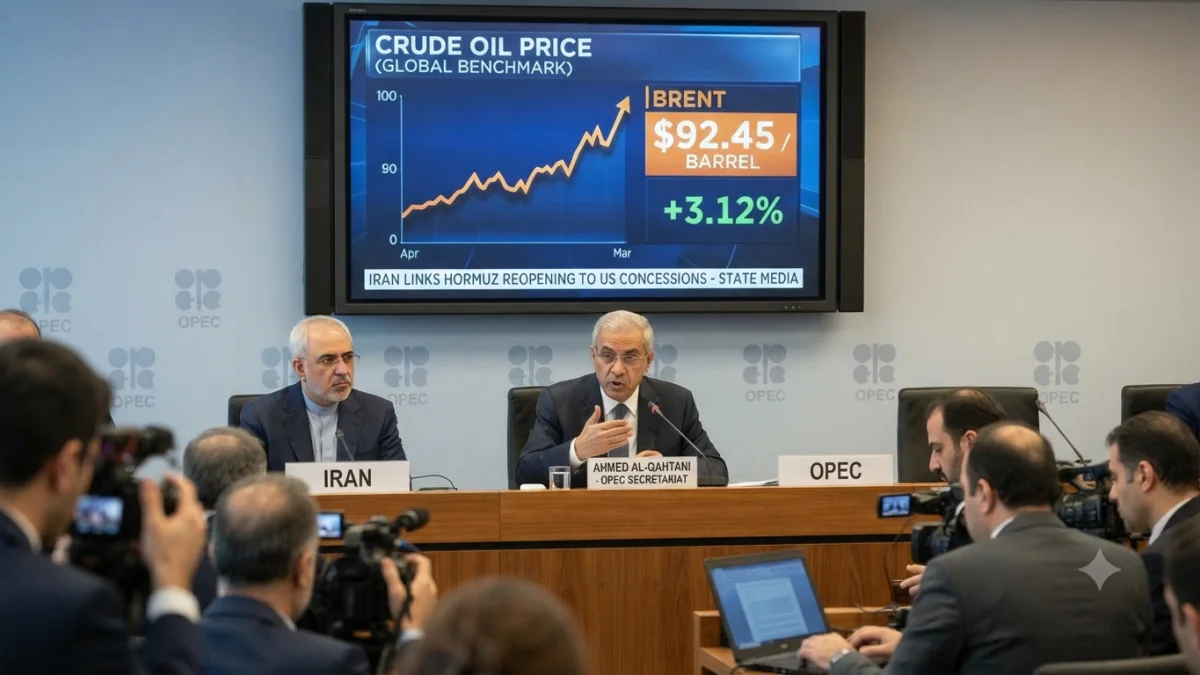
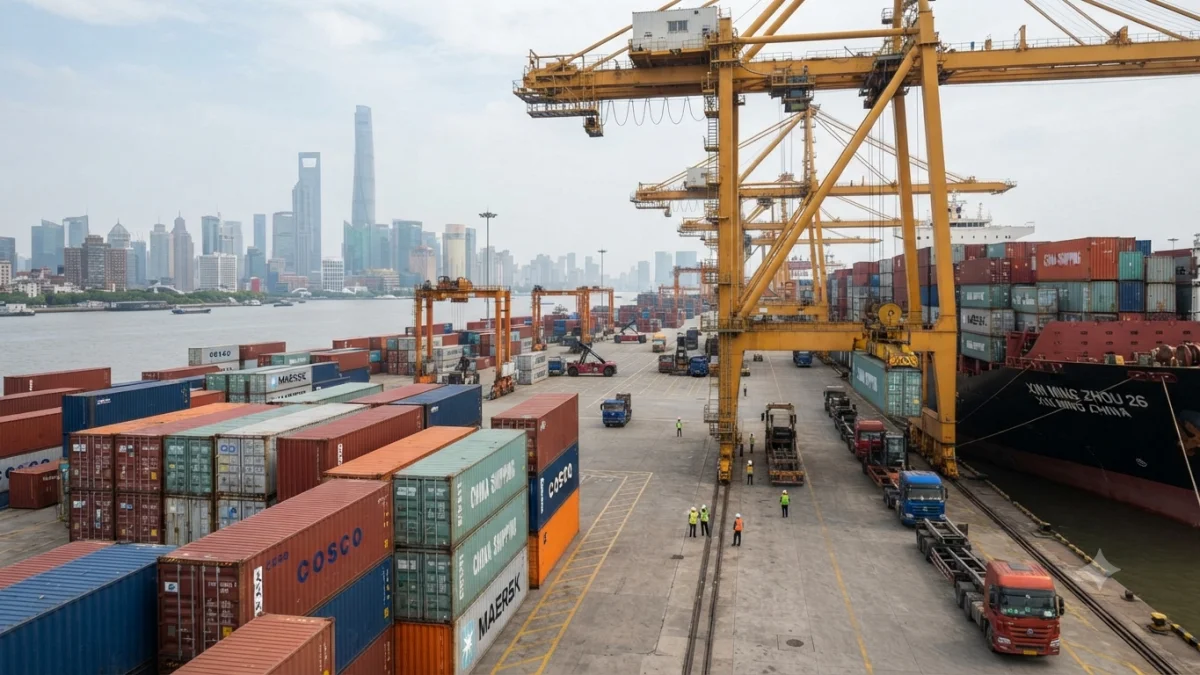
The resilience comes against a challenging backdrop for German manufacturers. The economy has been affected by higher energy and raw-material costs linked to the conflict in the Middle East, while German exporters face intensified competition from Chinese manufacturers. Germany's trade deficit with China widened in the first half of 2026, with imports from China rising 8.9% to 91.8 billion euros while exports to China fell below 37 billion euros, preliminary data showed.
The latest production data do not by themselves establish a sustained recovery. Earlier official figures showed industrial output remained below year-earlier levels in May, even after the monthly increase.
The June figures nevertheless provide another indication that German industry has continued to expand modestly through the middle of 2026, with further official economic data due as scheduled by Destatis.