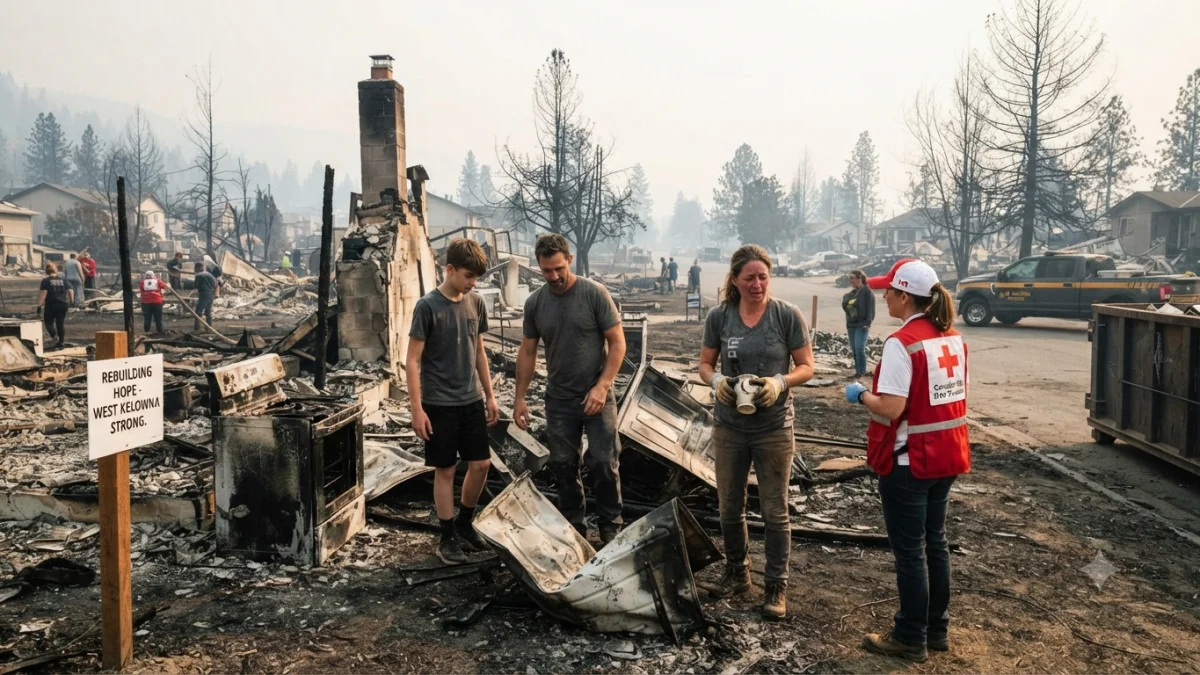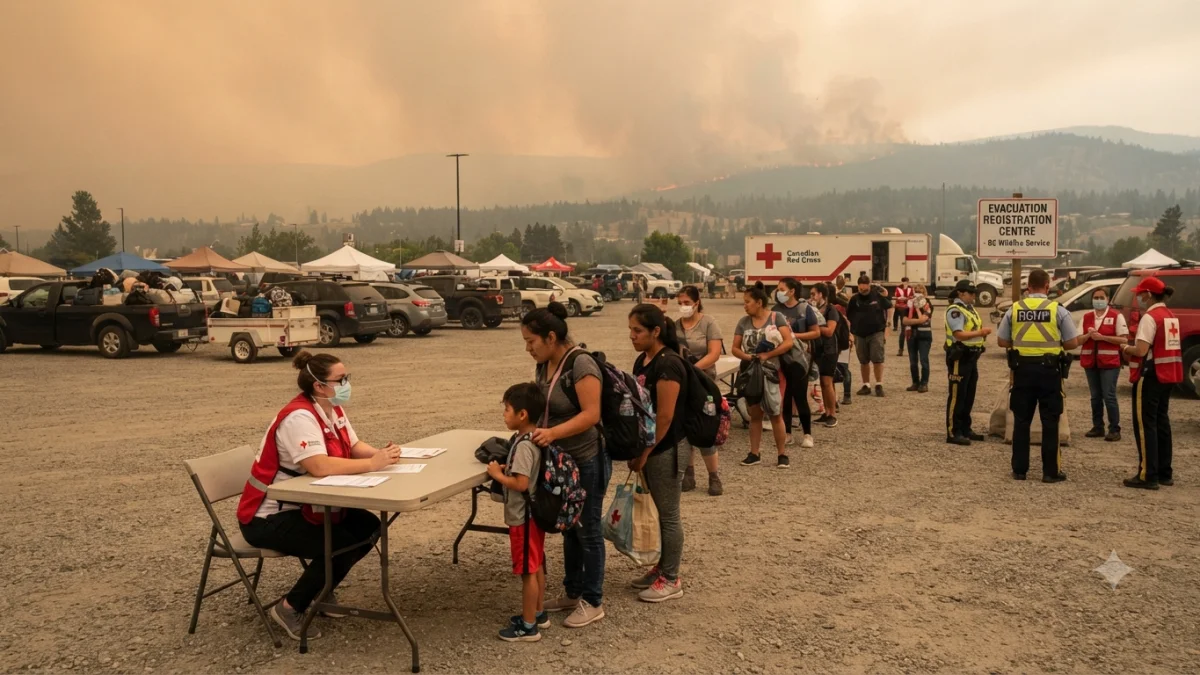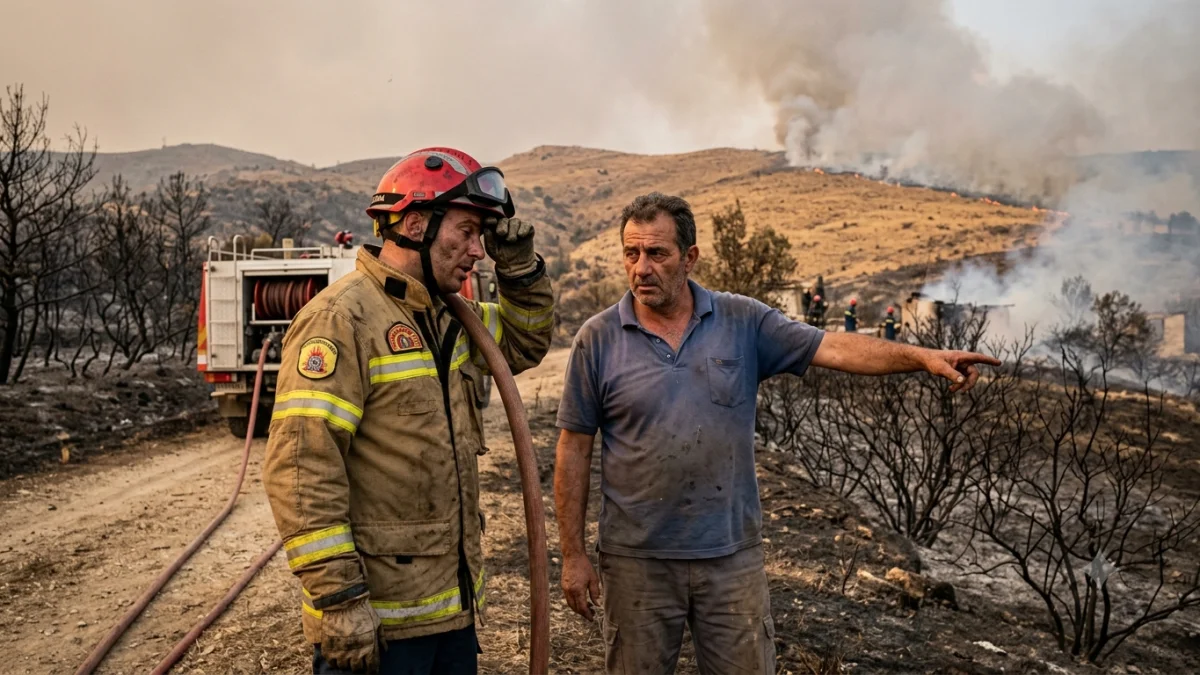


The deaths of two crew members in a midair collision between firefighting helicopters over a major wildfire northwest of Athens have underscored the escalating human cost of Greece's latest fire emergency, even as authorities continue battling blazes intensified by extreme heat, prolonged drought and strong winds. The wildfire has destroyed homes, farmland and pine forests, forced large-scale evacuations and stretched emergency resources during another severe Mediterranean fire season.
The latest developments are significant not only because of the fatalities and damage in Greece but because they illustrate how wildfire risk has become increasingly interconnected across southern Europe. Fires have affected multiple countries during successive heatwaves, prompting cross-border emergency assistance and raising concerns among European authorities that climate-driven extremes are creating longer and more dangerous fire seasons.


Greek firefighters have been working for days to contain the blaze west of Athens, supported by aircraft and emergency personnel as changing winds repeatedly threatened populated areas. Authorities ordered evacuations in several communities while constructing firebreaks to slow the fire's advance. According to Greek officials, investigators believe faulty electricity infrastructure associated with power transmission near wind energy facilities may have ignited the blaze, leading prosecutors to pursue felony arson charges against individuals connected to the infrastructure. The investigation remains ongoing.
Although accidental or negligent human activity remains a common ignition source for Mediterranean wildfires, the severity of recent fires has been amplified by environmental conditions. Successive heatwaves across Europe during the summer have left vegetation exceptionally dry after prolonged periods of below-average rainfall. Scientists have consistently concluded that human-induced climate change increases the likelihood and intensity of heat extremes that create conditions favorable for large wildfires, while drought further increases the amount of combustible vegetation.
The Greek emergency forms part of a broader European pattern rather than an isolated national disaster. France, Spain and other countries have simultaneously experienced major wildfires, with hundreds of thousands of people evacuated in recent weeks and firefighting resources shared through European Union coordination mechanisms. EU emergency authorities have repeatedly warned that wildfire risk has shifted eastward as weather systems evolve, placing Greece, Italy and other Mediterranean countries under heightened threat after severe fires in western Europe.
The operational challenges extend beyond the fires themselves. The helicopter collision that killed two crew members illustrates the increasing risks faced by emergency responders operating in smoke, turbulent air and rapidly changing weather conditions. Aviation assets have become indispensable for suppressing large wildfires, yet they also expose crews to significant hazards, particularly when multiple aircraft operate simultaneously over active fire zones.
The fires also carry broader economic and environmental implications. Destruction of forests, agricultural land and rural infrastructure threatens local livelihoods, tourism and biodiversity. Burned landscapes may face heightened risks of soil erosion and flooding during subsequent rainfall, while repeated fires can alter ecosystems that are already under pressure from rising temperatures and changing precipitation patterns. These longer-term impacts often extend well beyond the immediate emergency response.
European governments have increasingly invested in wildfire preparedness, including expanded aerial firefighting fleets, early warning systems, satellite monitoring and cross-border emergency cooperation. Greece has strengthened surveillance through drones equipped with thermal cameras and has positioned emergency equipment in high-risk areas following devastating fires in previous years. Nevertheless, recent events suggest that improvements in preparedness continue to be challenged by increasingly extreme weather conditions and growing exposure of communities located near forests.
The wider heatwave affecting southeastern Europe has also exposed vulnerabilities beyond wildfire management. High temperatures and drought have reduced river levels, complicated electricity generation and placed additional pressure on water resources in several countries. These interconnected impacts demonstrate how prolonged heat events increasingly affect multiple sectors simultaneously, including energy, agriculture, transport and public health.
Climate researchers emphasize that while no individual wildfire can be attributed solely to climate change, warmer temperatures, drier vegetation and more frequent extreme heat events increase the probability that fires will spread rapidly once ignited. The interaction between weather conditions, land management practices, ignition sources and emergency response capacity ultimately determines the scale of individual disasters, making wildfire risk both an environmental and governance challenge.
As of Aug. 3, Greek authorities continue efforts to contain the wildfire northwest of Athens while investigations into its suspected origin proceed. Emergency services remain focused on protecting threatened communities, monitoring weather conditions and preventing additional outbreaks. Across Europe, governments and EU emergency agencies continue tracking wildfire activity, heat conditions and drought as the summer fire season enters another critical phase.