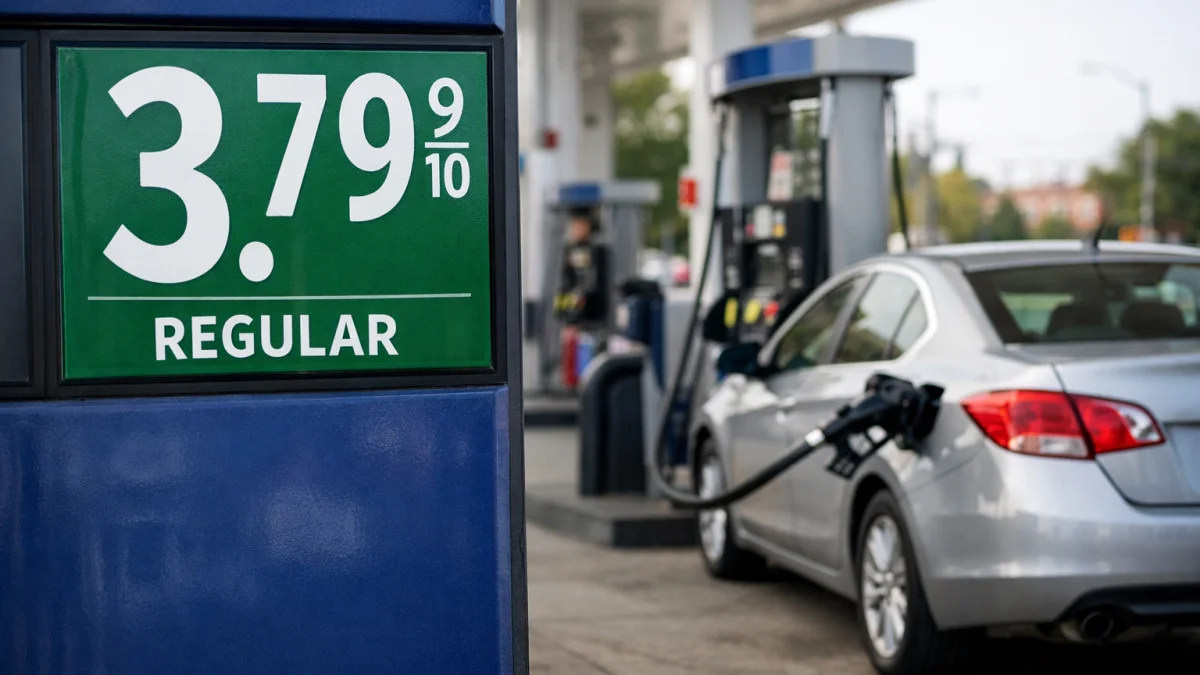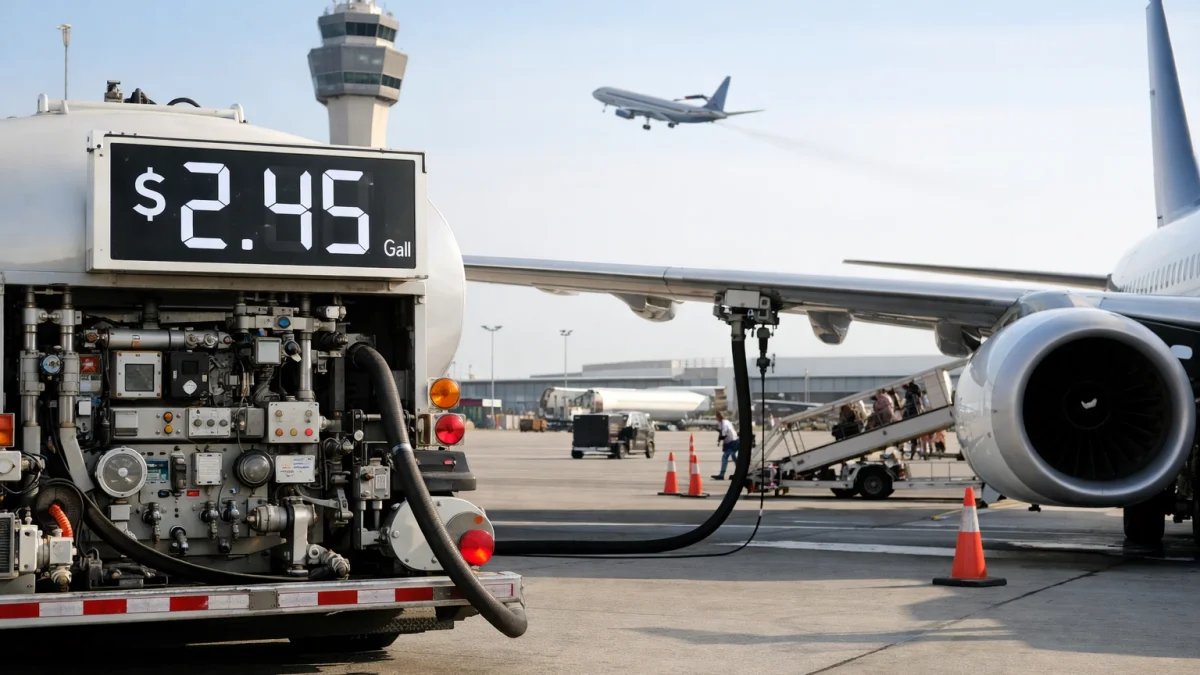
WASHINGTON — Jet fuel prices have declined in recent months as global energy markets stabilized, but airfares remain elevated across many major travel routes, according to government data, airline disclosures and industry analysts released through June 2026.
The U.S. Energy Information Administration (EIA) reported that average jet fuel prices have fallen from levels seen during periods of heightened energy-market volatility in previous years. Lower crude oil prices and increased refinery output have contributed to reduced fuel costs for airlines, one of the industry's largest operating expenses. Industry groups said the decline has eased pressure on carrier balance sheets ahead of the peak summer travel season.
Despite lower fuel costs, airfare data published by the U.S. Bureau of Labor Statistics and travel industry monitoring firms show ticket prices remain above pre-pandemic levels on many domestic and international routes. Airline executives have attributed pricing to sustained travel demand, labor costs, fleet constraints and operational expenses that extend beyond fuel.
“Demand remains strong across much of our network,” several major U.S. carriers said during earnings calls earlier this year, noting that travel demand has continued to support pricing even as fuel costs moderated. Airlines have also pointed to higher wage agreements with pilots, flight attendants and other employees reached over the past several years.
Industry analysts said fuel represents only one component of airline operating costs. Airport charges, aircraft maintenance, technology investments and labor expenses continue to influence ticket prices. Several carriers have reported that aircraft delivery delays from manufacturers have limited capacity growth, affecting seat availability on some routes.
Consumer groups have argued that travelers have not yet seen the full benefit of lower fuel prices. Some advocates have called for greater transparency regarding fare structures and ancillary fees, including charges for baggage, seat selection and itinerary changes.
Airlines, however, have said fare levels vary significantly by route, booking period and travel season. Industry representatives noted that some markets have experienced price declines as carriers added capacity and competition increased. They also said average fare data may not reflect promotional pricing available through advance bookings.
The International Air Transport Association (IATA) reported earlier this year that global airline profitability improved as fuel costs declined, though the organization said operating conditions remained uneven across regions. Carriers in North America and parts of Asia continued to benefit from strong demand, while some markets faced economic uncertainty and fluctuating travel patterns.
Government agencies have not announced any policy changes related to airline pricing, and regulators continue to monitor competition within the aviation sector. As of June 2026, industry forecasts indicated fuel costs were expected to remain below recent peaks, while airfare trends would continue to depend on demand, capacity and broader economic conditions.