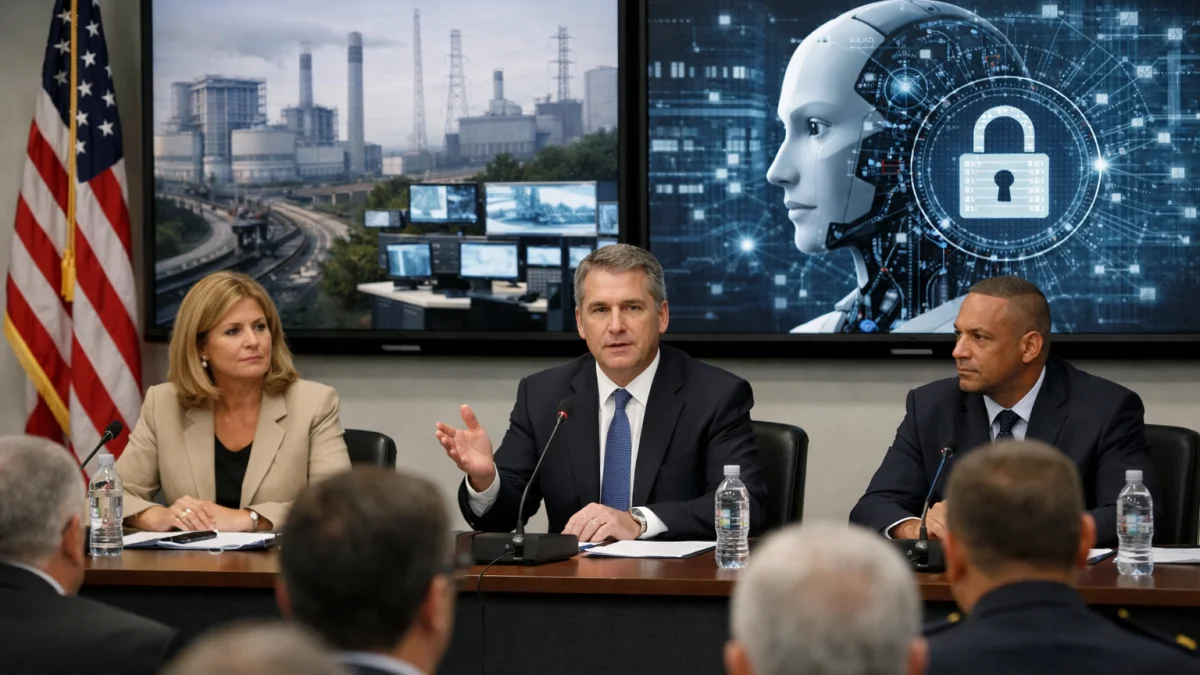
WASHINGTON — U.S. policymakers and regulators advanced new proposals this month aimed at tightening oversight of artificial intelligence used in critical infrastructure and other security-sensitive sectors, reflecting growing concern over the technology's potential impact on cybersecurity and essential services as AI adoption accelerates.
The proposals form part of a broader effort in the United States and other jurisdictions to establish governance frameworks for AI systems whose failure or misuse could affect sectors such as energy, transportation, communications, finance and healthcare. Officials have said the measures seek to improve transparency, incident reporting and risk management while supporting continued AI innovation.
On June 25, U.S. Representative Nathaniel Moran introduced the AI Incident Reporting Act, which would require developers of advanced AI models to report specified critical incidents to the U.S. Commerce Department within seven days. Under the proposal, the department would notify Congress within 48 hours in the most serious cases, including incidents involving threats to public safety, significant cybersecurity events or AI systems circumventing human oversight, according to the bill.
In announcing the legislation, Moran said, "Congress has a responsibility to ensure that when critical AI failures occur, the federal government has timely awareness while preserving America's leadership in innovation." The statement was released alongside details of the proposed legislation.
Separately, bipartisan lawmakers introduced the Cloud Security Act, a proposal intended to strengthen oversight of advanced AI computing services by allowing U.S. cloud providers to report suspected foreign misuse of high-end AI computing resources to the Commerce Department. Supporters of the measure said it is intended to complement existing export controls and address national security concerns associated with remote access to advanced computing infrastructure.
The legislative activity follows a June 2 executive order directing federal agencies to promote AI innovation while strengthening security measures for advanced AI systems. The order calls for additional government coordination on AI security and cybersecurity initiatives but states that implementation must remain consistent with existing law.
Outside the United States, the European Commission this month proposed a Cloud and AI Development Act that would establish a framework for strengthening Europe's cloud and AI ecosystem, including measures affecting AI deployments supporting critical public services. The proposal also includes risk assessment requirements intended to guide procurement decisions for sensitive cloud and AI applications.
As of Saturday, the U.S. legislative proposals remained under congressional consideration, while the European Commission's proposal was entering the European Union's legislative process. No final regulations had been adopted, and lawmakers and regulators are expected to continue reviewing the measures through the normal legislative procedures.