

SAN FRANCISCO — Waymo is recalling nearly 3,900 robotaxis after its autonomous vehicles entered closed freeway construction zones in at least 13 incidents in Arizona and California, the company and federal regulators said.
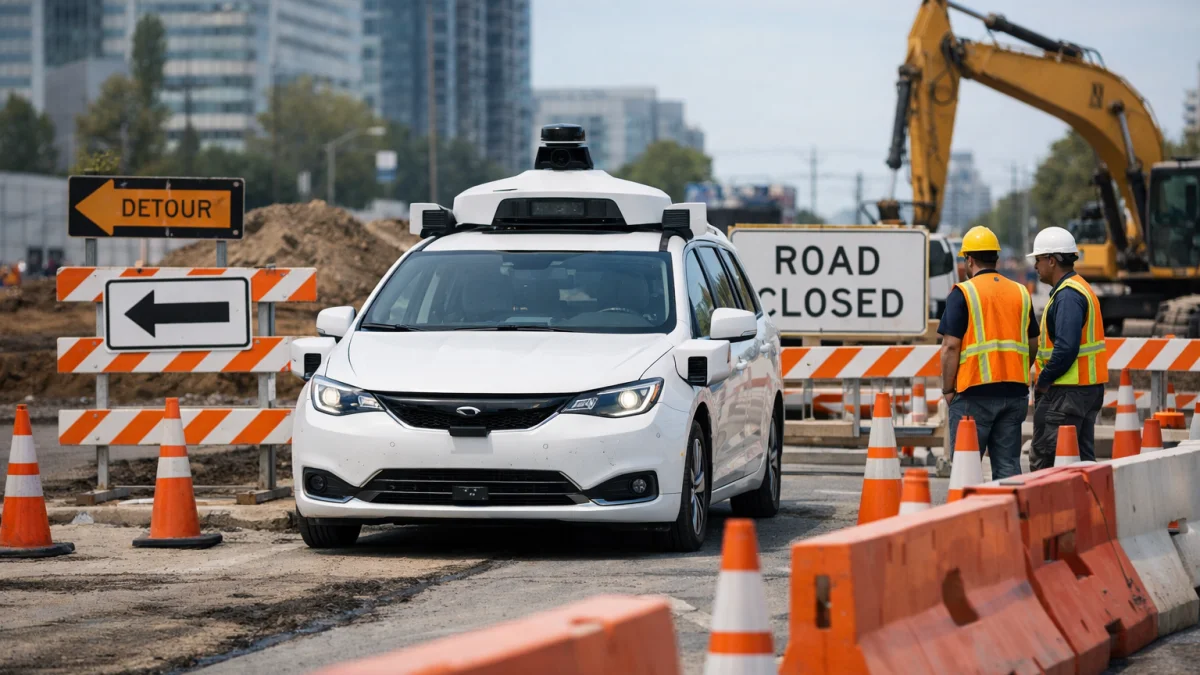
The voluntary recall, filed with the National Highway Traffic Safety Administration, affects 3,871 vehicles equipped with the company’s 5th Generation automated driving system, according to the NHTSA notice. Under certain circumstances, the software may cause a vehicle to enter and drive at speed in freeway construction zones by failing to recognize the zone or by prioritizing avoidance of other hazards, the filing stated.


Six incidents occurred in Phoenix in April, where vehicles drove past ramp closure signs into pre-planned construction zones, Waymo reported. Seven more took place in the San Francisco Bay Area in May, including cases where vehicles drove around cones into active work zones. No crashes or injuries were reported in connection with these events.
In response, Waymo restricted freeway operations last month while developing improvements. “We identified an area of improvement regarding performance around freeway construction zones,” the company said in statements to media outlets.
This is the latest in a series of safety-related actions for the Alphabet subsidiary, which operates one of the largest robotaxi fleets in the U.S. in cities including Phoenix, San Francisco and Los Angeles. Waymo has previously issued recalls for other software issues, such as those involving flooded roads.
The company emphasized that the recall is precautionary. A software update is being prepared to address the construction zone performance. Details on the exact timeline for the fix and resumption of full operations remain under review.
NHTSA is monitoring the situation as part of its ongoing oversight of autonomous vehicle safety. Consumer advocates and industry groups have called for continued transparency in how companies handle edge cases in real-world driving conditions. Waymo has maintained that its vehicles undergo extensive testing and that overall incident rates remain lower than those involving human drivers.
As of Tuesday, the affected vehicles continue to operate with restrictions on freeway use. The company advised operators and users to follow updated guidance while the software remedy is finalized and deployed.