LONDON — Oil prices dropped sharply on Monday following announcements of a completed ceasefire agreement between the United States and Iran, market participants said.
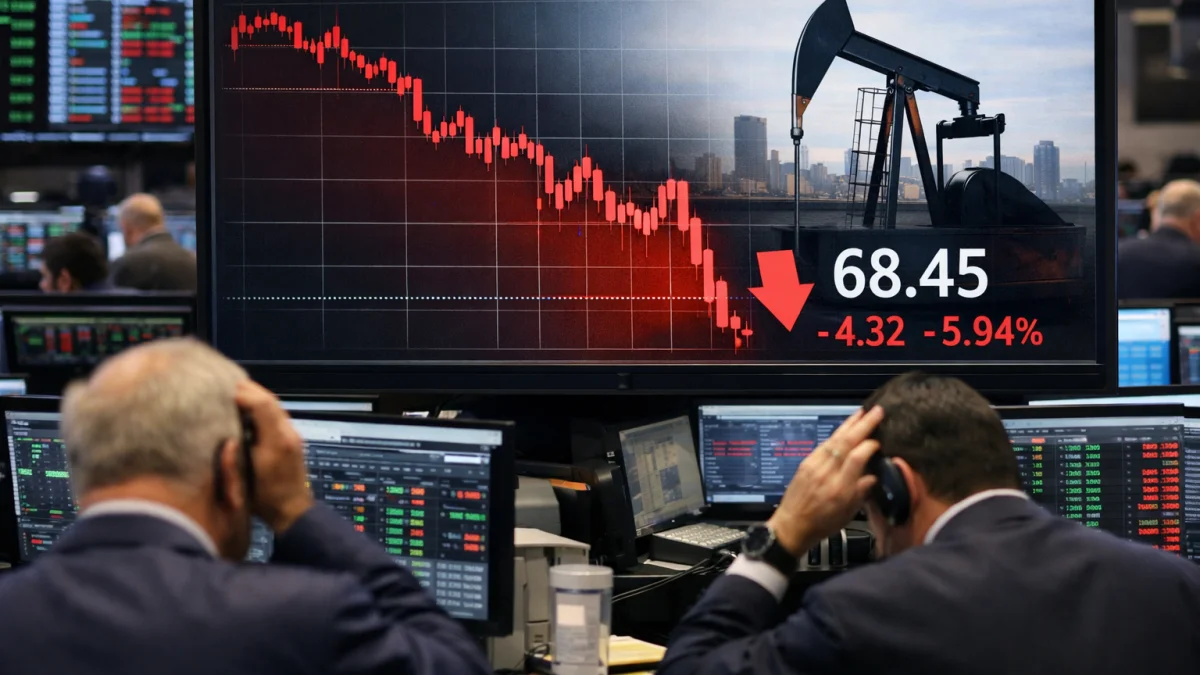
Brent crude futures fell more than 4% to around $83 a barrel, while U.S. West Texas Intermediate crude declined about 5% to near $80.50 a barrel, touching two-month lows, according to trading data. The moves came after U.S. President Donald Trump and Pakistani officials confirmed the deal, which aims to end hostilities and reopen the Strait of Hormuz to shipping.
The agreement, described as a 60-day extension building toward a broader settlement, was announced over the weekend. It follows earlier tentative pauses in fighting involving the U.S., Iran and related conflicts in the region, including Lebanon. A formal signing is expected later this week in Switzerland.
"The ceasefire deal between the U.S. and Iran is now complete," Trump said, according to reports of his statements on social media and public remarks.
The Strait of Hormuz, a critical chokepoint for about one-fifth of global oil supplies, had faced disruptions amid the tensions. Reopening the waterway is expected to ease supply concerns, contributing to the price decline, traders and analysts noted.
Oil markets had already seen volatility in recent weeks on hopes for de-escalation. Prices had climbed earlier in the year amid the conflict but reversed course as diplomatic progress was reported, with Brent recording significant monthly drops in May.
Iranian officials have urged caution on implementation details, while U.S. statements emphasized the breakthrough in talks mediated by several countries, including Pakistan. Questions remain about full enforcement and the positions of other regional parties, such as Israel, which has not fully aligned with all aspects of the pause.
Energy analysts said the price reaction reflected expectations of restored oil flows and reduced geopolitical risk premium. U.S. Energy Information Administration forecasts had already pointed to potential price moderation later in 2026 assuming supply stabilization.
Market reaction extended to related assets, with some stock indices rising on the news of lower energy costs. Details on exact implementation timelines and any production adjustments by OPEC+ members were not immediately specified.
The situation remains fluid as parties move toward the planned signing. Oil trading continues to monitor developments closely for any impact on global supply in the coming weeks.