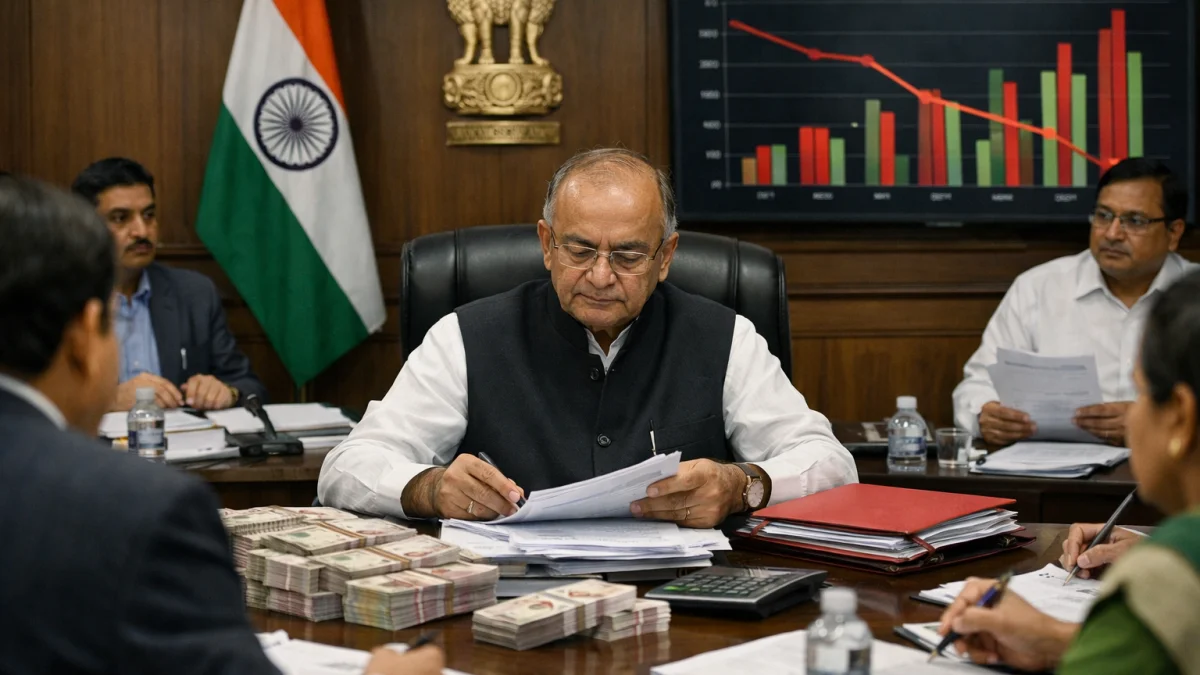


NEW DELHI — India’s expanding cash transfer programs have provided income support to millions of households, particularly women and low-income families, but growing welfare commitments are placing increasing pressure on state government finances, according to government reports and economists.
The Economic Survey 2025-26, tabled in Parliament earlier this year, said unconditional cash transfer schemes have become a central feature of welfare policy in several Indian states. The survey estimated that states could spend about 1.7 trillion rupees ($20 billion) on such programs during the 2025-26 fiscal year, warning that the rapid expansion of these schemes could strain public finances.


Cash transfer programs, delivered largely through India’s Direct Benefit Transfer (DBT) system, provide money directly to beneficiaries’ bank accounts and are used for income support, subsidies, pensions and other welfare measures. Government officials have said the system has improved the efficiency of welfare delivery and reduced leakages.
“The immediate income support provided by these schemes is undeniable,” the Economic Survey said, while cautioning that their scale and persistence could weaken state finances if not carefully managed.
Several states have introduced or expanded cash assistance programs in recent years, particularly those aimed at women. According to the Economic Survey, the number of states implementing major unconditional cash transfer schemes increased more than fivefold between fiscal years 2023 and 2026. About half of those states are estimated to be running revenue deficits.
Supporters of the programs argue that direct payments help households cope with inflation, unemployment and income volatility, while also boosting consumption. State governments have frequently described the schemes as social protection measures designed to support vulnerable groups.
At the same time, policymakers have raised concerns that rising welfare obligations could limit spending on infrastructure and other long-term development projects. The Economic Survey said growing commitments to cash transfers risk crowding out capital expenditure and increasing fiscal rigidity in state budgets.
Separate reports from financial institutions have also noted that welfare spending and weaker revenue growth have contributed to elevated fiscal deficits in several states during 2026.
The federal government continues to support welfare delivery through the DBT framework, although overall DBT spending declined slightly in fiscal year 2025-26 compared with the previous year, according to government data cited by the Financial Express.
As of June 2026, state governments continue to operate existing cash transfer programs while policymakers and finance officials review their fiscal impact, according to government reports. Details of any future changes remain unclear.