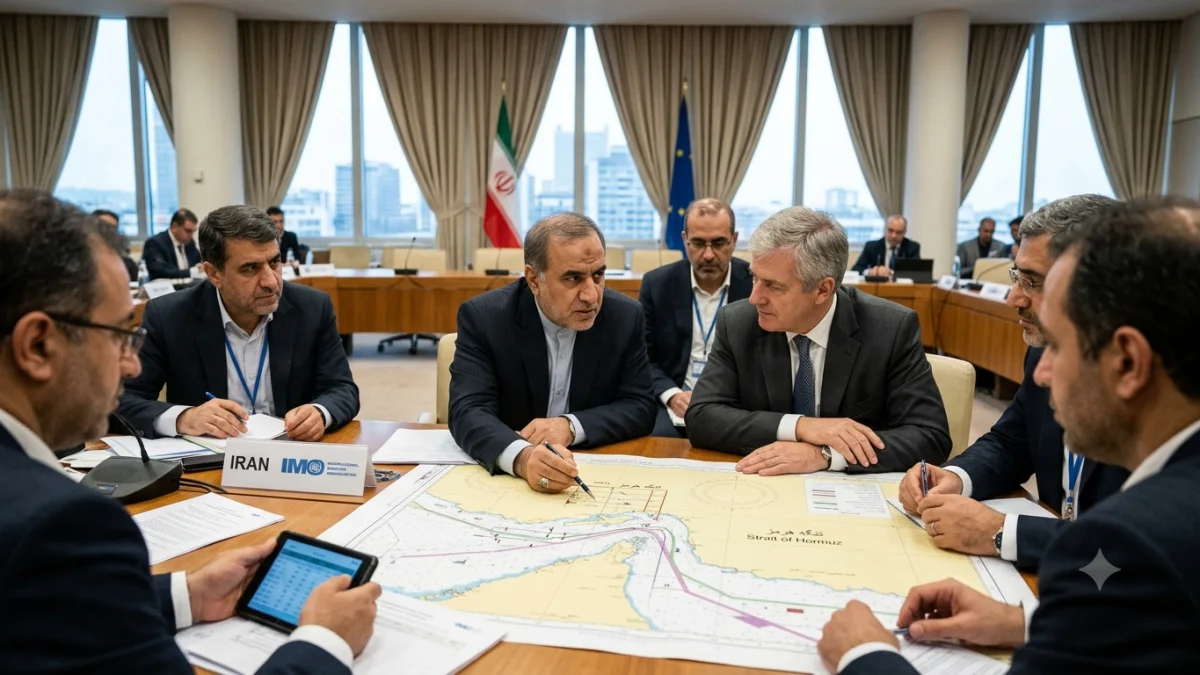


DUBAI — Iranian negotiators have reached an understanding with Oman on the geographic coordinates of a proposed shipping route through the Strait of Hormuz, marking a significant step in negotiations over navigation through one of the world's most strategically important maritime chokepoints, Iran's Foreign Ministry said on Wednesday.
Foreign Ministry spokesperson Esmaeil Baghaei said Tehran and Muscat had concluded constructive discussions on the coordinates of the route and were preparing a joint announcement, provided there was no interference from third parties. He said the agreement remained subject to final procedural steps.


Baghaei cautioned that the understanding on shipping coordinates alone would not guarantee security in the Strait of Hormuz, through which roughly a fifth of global oil consumption normally passes. He did not provide a timetable for implementation or disclose further operational details.
According to a senior Iranian source and two regional officials familiar with the negotiations, the proposed arrangement would give Tehran responsibility for coordinating vessels entering the Gulf through the strait, representing one of the most significant concessions discussed during months of regional negotiations. The officials said technical and legal details remained under review before any final agreement could take effect.
The understanding follows weeks of political and technical discussions between Iranian and Omani officials on future navigation arrangements in the waterway after heightened regional tensions disrupted commercial shipping. Iranian officials have repeatedly described the talks as focused on ensuring maritime safety while respecting the sovereign rights of the two coastal states and applicable international law.
The Strait of Hormuz, bordered by Iran and Oman, is a critical transit route for crude oil, liquefied natural gas and other commodities exported from Gulf producers. Disruptions to shipping through the waterway have repeatedly affected global energy markets.
Oil prices rose on Thursday as investors weighed the reported progress in the Iran-Oman negotiations against continuing security risks elsewhere in the region, including reported attacks on shipping linked to Yemen's Houthi movement. Market participants said uncertainty over the implementation of any Hormuz arrangement continued to support prices.
No immediate public response was issued by U.S. officials regarding the reported understanding. Regional diplomats have said discussions on broader security and navigation arrangements remain ongoing, with negotiators continuing to work through outstanding issues before any final accord is formally announced.