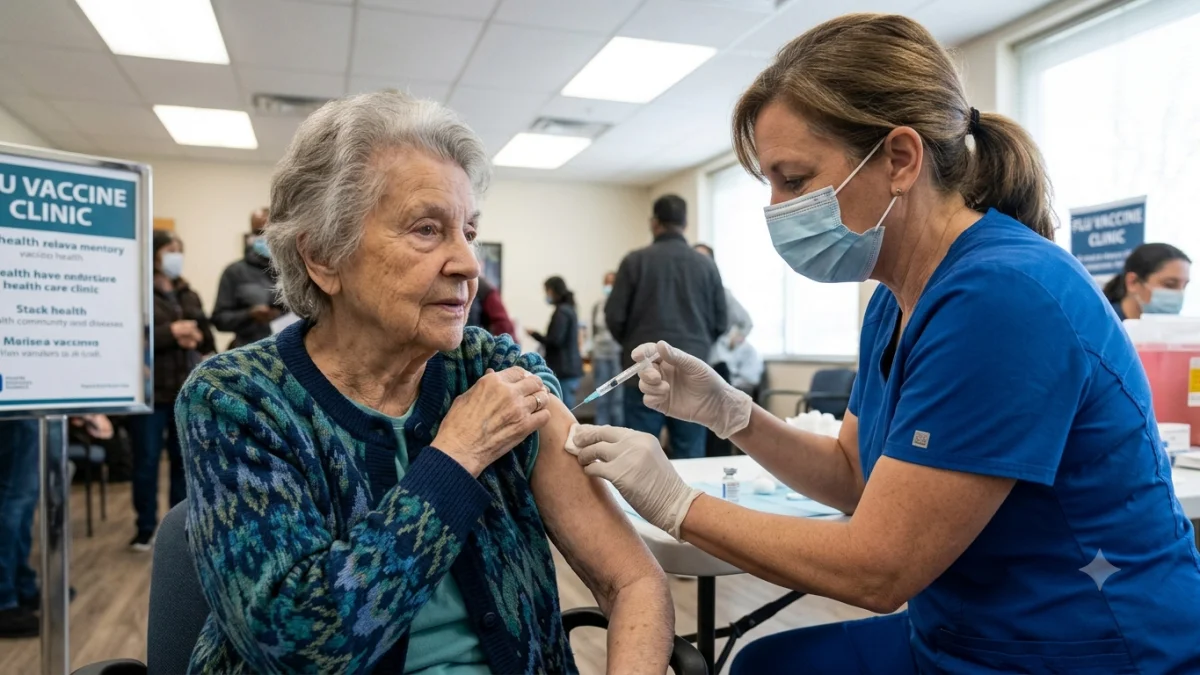


The waiting rooms that fill each autumn with older adults seeking influenza shots are likely to look familiar again this year. What has changed is the vaccine some of them may be offered. After decades in which seasonal influenza vaccines relied on established manufacturing methods, U.S. regulators have approved the first mRNA-based flu vaccine for adults aged 50 and older, opening a new chapter in a technology that first entered widespread public awareness during the COVID-19 pandemic.
For many people approaching another flu season, the decision will be less about embracing novelty than weighing whether a vaccine built on a newer platform can provide better protection against a virus that remains a persistent threat. Influenza continues to hospitalize and kill thousands of older adults each year, even in seasons when vaccination rates are high, because the virus evolves rapidly and vaccine performance varies from year to year.


The approval of Moderna's mFlusiva marks the first time an mRNA influenza vaccine has been licensed in the United States. Regulators granted full approval for adults aged 50 to 64 and accelerated approval for those 65 and older, contingent on additional confirmatory research. The decision follows months of regulatory scrutiny that included an unusual refusal by the U.S. Food and Drug Administration earlier this year to review the original application before the agency reversed course and completed its assessment.
The path to approval illustrates both the promise and the scrutiny surrounding mRNA technology after the COVID-19 era. The FDA's independent vaccine advisers voted unanimously in June that the benefits outweighed the risks for adults aged 50 and older, following review of clinical and safety data. FDA staff subsequently concluded that the available evidence supported effectiveness in the intended populations.
Unlike traditional egg-based influenza vaccines, which require months of production after global health authorities select likely circulating strains, mRNA vaccines use genetic instructions that can be manufactured more quickly. Researchers and vaccine developers have long argued that the shorter production timeline could eventually allow vaccines to more closely match viruses circulating during flu season, potentially improving protection when influenza viruses change unexpectedly.
That possibility has attracted particular interest among physicians caring for older adults, whose immune systems generally become less responsive with age and who account for a disproportionate share of serious influenza complications. Existing recommendations already encourage the use of enhanced influenza vaccines for many adults aged 65 and older because standard-dose vaccines may provide less protection in that population.
Moderna's pivotal international trial enrolled more than 40,000 adults aged 50 years and older. According to trial findings reviewed by regulators, recipients of mFlusiva experienced about 27% fewer laboratory-confirmed influenza cases than those who received a standard-dose comparator vaccine. FDA reviewers also concluded that immune response data could support effectiveness in adults aged 65 and older while additional studies continue under the accelerated approval pathway.
The findings, however, come with important context. The study compared the vaccine against a standard-dose influenza vaccine rather than some of the enhanced vaccines commonly recommended for many older adults. Regulators and outside experts have emphasized that continued research will help clarify how the new vaccine performs in broader real-world settings and against other available products.
Safety also remained central throughout the review. FDA advisers examined reports of adverse events alongside evidence from clinical trials before concluding that the vaccine's benefits outweighed its risks for the approved age groups. The agency said reported serious events reviewed during development were not considered likely to be caused by the vaccine, while requiring further evidence for the oldest recipients through post-approval studies.
The approval arrives in a climate shaped not only by scientific progress but also by public debate over vaccines. Messenger RNA technology became synonymous with the global response to COVID-19, earning praise for its speed while also becoming the focus of political and public controversy. The regulatory history of mFlusiva reflected that environment, with the application undergoing unusual procedural reversals before ultimately receiving support from independent advisers and FDA reviewers.
For older adults preparing for the coming influenza season, the practical questions are likely to be familiar: whether to be vaccinated, when to schedule an appointment and which vaccine to receive. Physicians will now have another option to discuss with patients, while health systems monitor how the first mRNA flu vaccine performs outside clinical trials.
Researchers, meanwhile, see the approval as more than the arrival of a single product. They view it as evidence that mRNA technology may extend beyond emergency pandemic use into routine infectious disease prevention. Scientists are already studying similar approaches for other pathogens while continuing the longer-term search for a universal influenza vaccine capable of providing broader and longer-lasting protection against the virus's many strains.
As vaccination campaigns begin for the 2026-27 influenza season, the measure of this milestone will not rest solely on regulatory firsts or technological advances. It will be reflected in clinics where older adults continue the annual routine of protecting themselves against a virus that returns every winter, now with one more scientifically tested option available after years of research and regulatory review.