

ISLAMABAD — Pakistan stepped up efforts to mediate between the United States and Iran on Wednesday, as Islamabad sought to revive stalled diplomacy over the Strait of Hormuz and broader efforts to end the conflict.
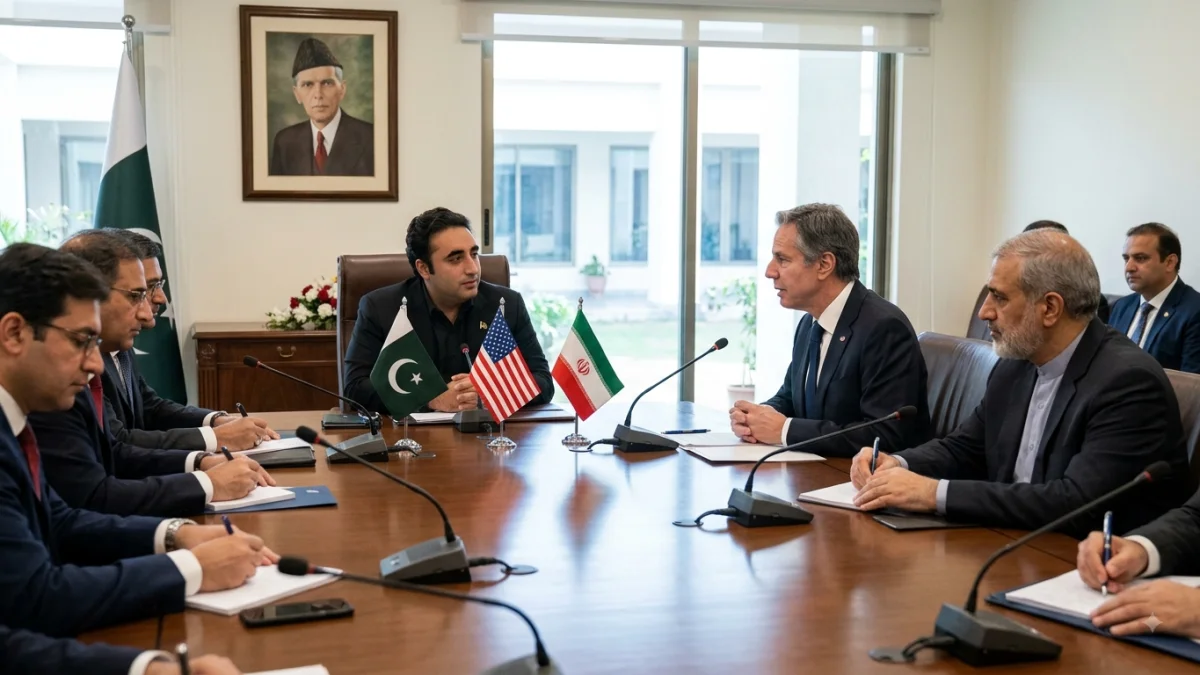
Pakistani Interior Minister Mohsin Naqvi traveled to Tehran on Tuesday and met Iranian President Masoud Pezeshkian, Foreign Minister Abbas Araghchi and Interior Minister Eskandar Momeni, according to Iranian state media and Pakistani officials. The meetings came as Islamabad sought to use its relations with both Washington and Tehran to facilitate a possible return to negotiations.


Pakistan's Defense Minister Khawaja Asif said the United States and Iran could be moving toward an arrangement, although neither government had confirmed that a deal was imminent.
“Things are shaping up again in favour of a peace arrangement or a deal,” Asif told Bloomberg News, adding that signals over the previous two or three days suggested the sides were close to an arrangement.
The diplomatic push comes as the Strait of Hormuz remains effectively closed to normal commercial shipping and tensions continue to disrupt regional maritime traffic. The waterway is a major route for global oil and gas shipments, making any agreement on reopening it closely watched by energy markets.
Iran has said reopening the strait depends on broader U.S. actions. Mohsen Rezaei, head of Iran’s Supreme National Security Council, said Washington must end its military campaign, lift its naval blockade and release Iranian funds held abroad, while also agreeing to a wider regional ceasefire. “As long as the US does not change its behaviour and accept Iran’s conditions, the Strait of Hormuz will not be reopened,” Iranian media quoted him as saying.
Iran and Oman have separately been negotiating arrangements governing shipping through the strait. U.S. officials have indicated that progress in those talks could pave the way for the reopening of commercial shipping and a lifting of the U.S. blockade of Iranian ports, subject to Iran fulfilling its commitments.
Qatar has also been involved in diplomatic efforts, with its foreign ministry saying negotiations between Iran and Oman had reached an advanced stage and that reopening the strait and maintaining a ceasefire remained priorities. Iran, however, has said an agreement with Oman on shipping routes alone would not reopen the waterway.
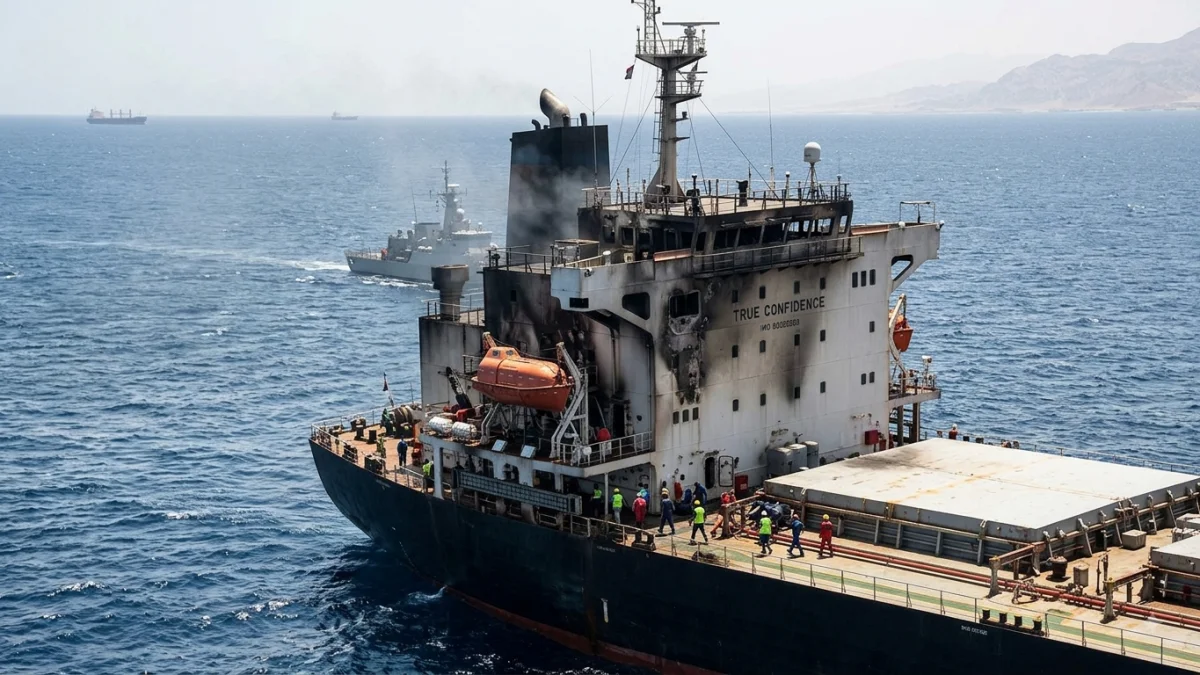
The diplomatic activity follows renewed attacks on commercial shipping in the region, including a U.S. military action against a Panama-flagged cargo vessel in the Gulf of Oman and a deadly suspected Houthi attack in the Bab el-Mandeb Strait.
For now, no final U.S.-Iran agreement on Hormuz has been officially announced, and the latest diplomatic contacts remain focused on narrowing differences and creating conditions for further negotiations.