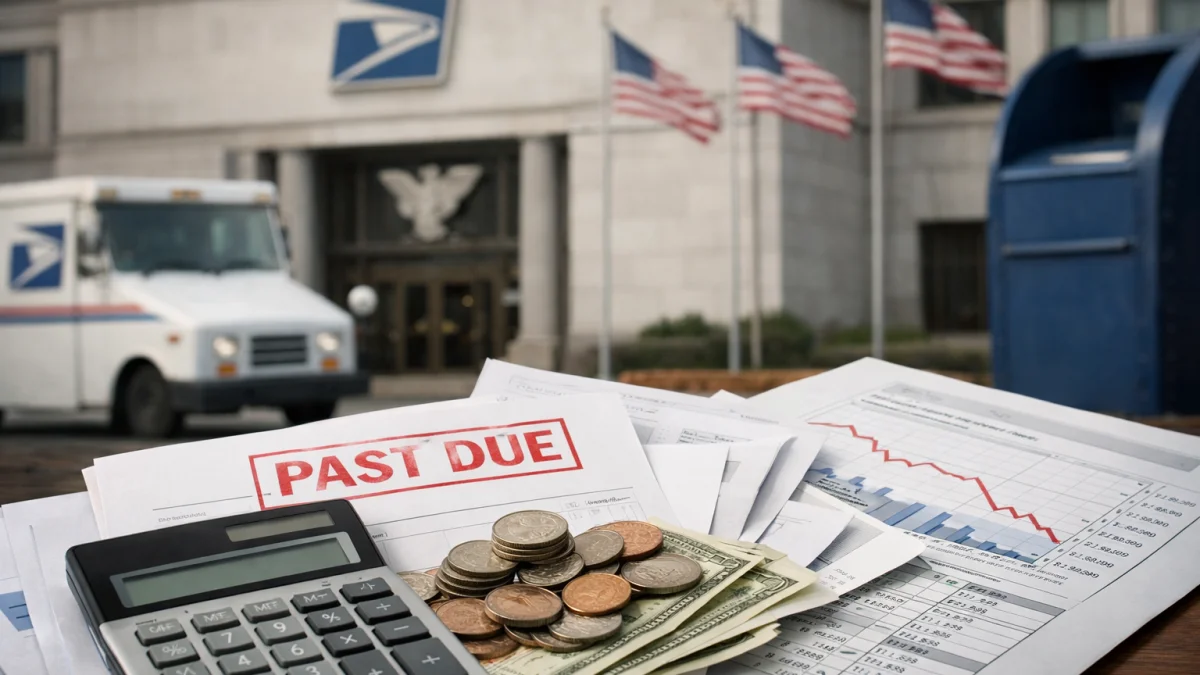
WASHINGTON — The U.S. Postal Service has gained several years of financial breathing room after emergency measures eased an immediate cash crisis, but postal officials and regulators told Congress this month that the agency continues to face significant long-term financial challenges that could threaten its sustainability without legislative action.
Postmaster General David Steiner told a Senate committee on Wednesday that the Postal Service’s financial condition remains precarious despite steps taken in recent months to conserve cash. “The Postal Service has a broken business model and action is needed by Congress to fix it,” Steiner said in prepared testimony. He added that the agency is “out of cash” and is relying on deferred retirement-fund obligations to continue operations.
The Postal Service had previously warned lawmakers that it could face insolvency as early as 2027. However, a decision by the Postal Regulatory Commission to allow temporary suspension of certain retirement-fund payments has extended the agency’s projected cash solvency by several years, according to postal regulators.
Robert Taub, vice chair of the Postal Regulatory Commission, told lawmakers earlier this month that the relief measures had postponed the threat of a near-term shutdown. “The Commission’s action offers some ‘breathing room,’” Taub said in congressional testimony, according to public records. Regulators said the agency is now expected to remain operational until sometime between 2031 and 2034 if current assumptions hold.
Despite the delay in a potential cash crunch, USPS continues to struggle with declining mail volumes and the costs associated with maintaining nationwide service. Postal officials said first-class mail, historically the agency’s most profitable product, has fallen sharply over the past two decades as consumers and businesses increasingly rely on digital communications. At the same time, the Postal Service remains legally obligated to deliver mail six days a week to roughly 170 million addresses across the country.
To improve its finances, USPS has frozen some discretionary spending, increased postage rates and entered new package-delivery agreements. A planned increase in the price of a first-class Forever stamp is scheduled to take effect in July, according to postal officials.
Government auditors have also warned that the Postal Service’s business model remains unsustainable without broader reforms. The U.S. Government Accountability Office said in March that urgent action is needed to address longstanding structural issues and improve financial performance.
Lawmakers from both parties have called for additional information before considering major changes to postal operations. Proposals under discussion include adjustments to retirement funding, expanded borrowing authority and possible revisions to service requirements. Details of any congressional action remain unclear.
As of June 25, postal regulators no longer expect USPS to run out of cash next year, but officials continue to warn that the agency faces unresolved financial pressures that require long-term solutions.