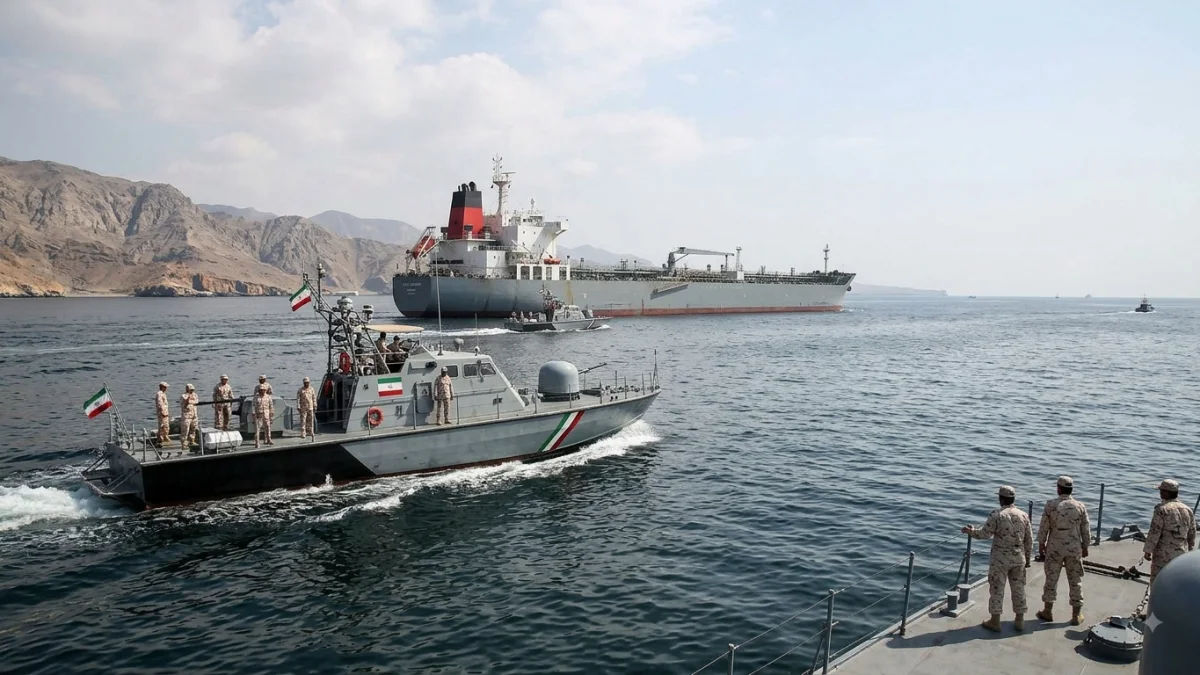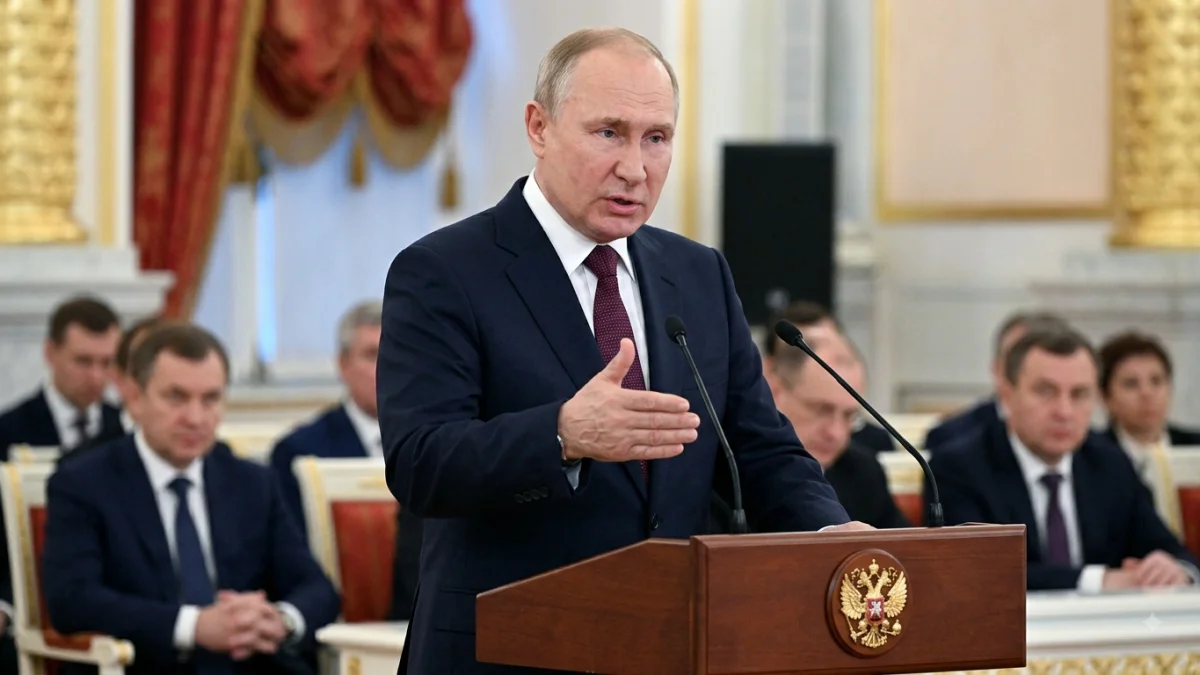


Russian President Vladimir Putin has threatened to seize European commercial vessels if European countries move to confiscate Russian merchant ships, escalating a dispute over maritime enforcement that is becoming an increasingly important front in the economic confrontation over Russia’s war in Ukraine. Speaking during naval exercises in Russia’s Far East on Aug. 12, Putin said Moscow would respond “in kind” and could act wherever it considered necessary. Russia’s Pacific Fleet commander separately said his forces were prepared to inspect and detain vessels from what Moscow considers hostile states.
The warning matters because European governments are moving beyond financial sanctions toward more direct scrutiny of ships suspected of helping Russia evade restrictions on its oil exports. The European Union has sanctioned more than 670 vessels associated with Russia’s shadow fleet, while its latest sanctions package in July added 41 vessels and expanded restrictions to ships providing services such as bunkering. The EU says the measures are intended to restrict Russia’s ability to generate energy revenue while addressing safety, environmental and maritime-security risks associated with the fleet.


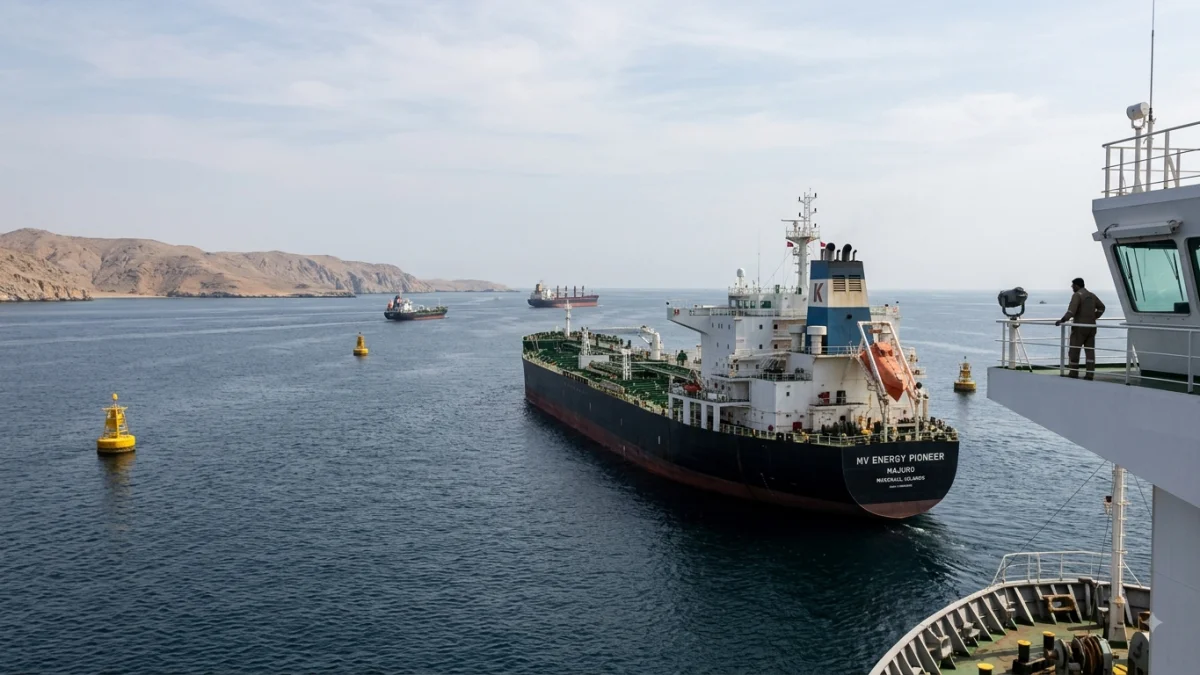
The shadow fleet has emerged because conventional Western shipping and insurance channels have become more difficult for Russian oil exports to use since the introduction of sanctions and the G7 oil-price cap. The fleet generally consists of older vessels with opaque ownership structures and, in some cases, uncertain insurance or flag status. The International Maritime Organization has recognized the broader problem, adopting a 2023 resolution urging governments and maritime stakeholders to prevent illegal operations involving so-called dark or shadow fleets.
Europe’s enforcement has increasingly involved physical inspections. In June, British forces boarded the sanctioned tanker Smyrtos in the English Channel, in an operation Britain described as its first such military-led interception of a Russian shadow-fleet vessel. British authorities said the action was conducted under domestic sanctions and maritime-enforcement powers, while noting that international law can permit warships to verify the nationality of vessels in specified circumstances.
The Mediterranean has become another testing ground. An EU naval mission led by Italy boarded the tanker Toa Payoh on Aug. 2 after it was suspected of being connected to Russia’s shadow fleet. The operation was conducted to verify the ship’s flag and collect information; the vessel was not seized because the mission did not have authority to confiscate it in those circumstances. A similar boarding of the South Star took place in July.
That distinction is central to the legal dispute. International maritime law does not give naval forces a general right to board foreign merchant ships simply because they are sanctioned. Article 110 of the U.N. Convention on the Law of the Sea permits a warship to verify a vessel’s right to fly its flag when there are specified grounds for suspicion, including that a ship may be without nationality. The EU says its recent flag-verification operations fall within that framework. Russia disputes the legality of European actions and has described them as piracy and robbery.
The practical significance of Putin’s warning therefore extends beyond any individual tanker. A seizure of a Russian-linked vessel could now create a direct risk of reciprocal action against European shipping, potentially involving vessels that have no connection to the original dispute. Putin explicitly said any Russian response would not necessarily occur in the same waters where Russian vessels were intercepted. The Pacific Fleet’s public assertion that it has analyzed the routes, cargoes and ownership of vessels linked to unfriendly countries adds a further element of deterrence to the warning.
For European governments, the challenge is to increase enforcement without allowing sanctions implementation to become an uncontrolled maritime confrontation. For Russia, the threat carries a similar calculation: retaliation could impose costs on European commercial interests, but detaining foreign merchant vessels would risk further escalation and potentially disrupt the wider shipping system on which Russia itself depends. The immediate dispute is therefore not simply about individual tankers but about how far sanctions enforcement can be pushed while preserving established rules governing commercial navigation.
The confirmed situation is that Europe is expanding sanctions and inspections against Russia’s shadow fleet, while Moscow has publicly threatened reciprocal seizures if Russian merchant vessels are confiscated. European authorities maintain that recent boardings have been conducted within established legal mandates, while Russia rejects that interpretation. The key developments to monitor are whether European states proceed from inspections and detentions to additional confiscations, whether Russia carries out the threatened reciprocal measures, and how governments and maritime authorities interpret international-law obligations as enforcement activity expands.