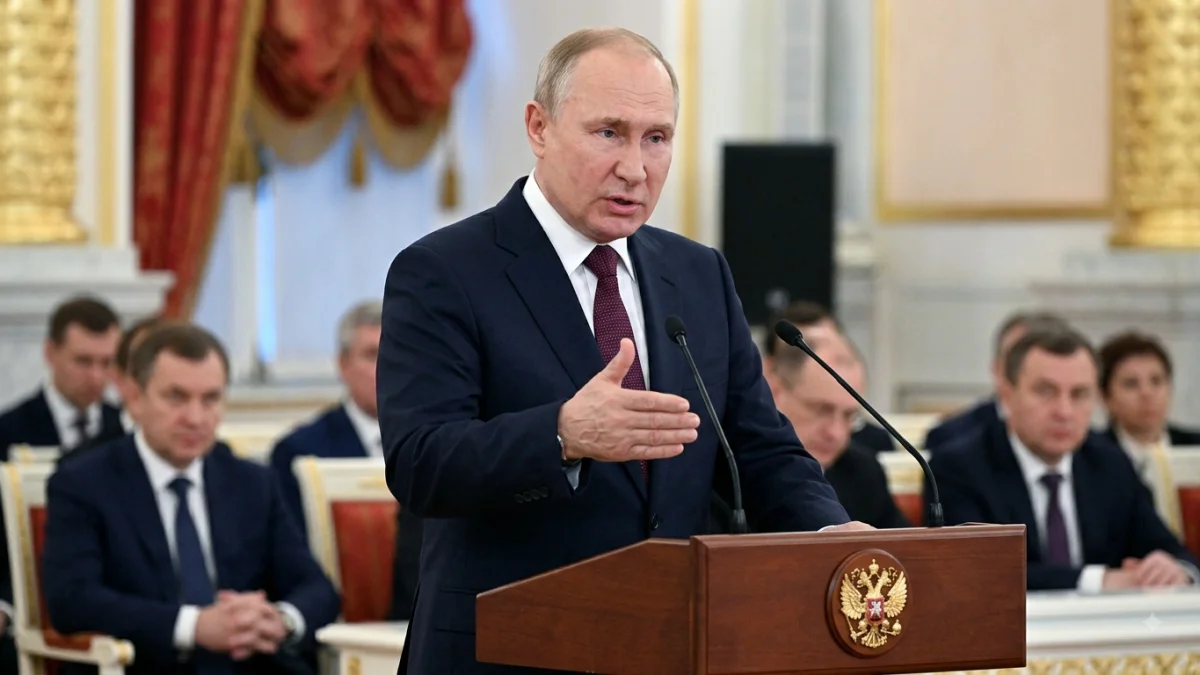


President Donald Trump’s renewed assertion that the United States has “total control” of the Strait of Hormuz has sharpened an already unsettled picture for one of the world’s most important energy corridors, as Washington and Tehran continue to dispute who can determine whether commercial vessels pass through the waterway. Trump said on Aug. 12 that the United States controlled the strait and suggested Washington would maintain that control, while Iran has rejected the claim and maintained that the waterway remains subject to its conditions.
The significance lies less in the competing political claims than in the gap between them and the conditions facing commercial shipping. Control of a maritime chokepoint is ultimately measured not only by military presence but also by whether merchant vessels can transit safely, predictably and at commercially viable cost. Current evidence indicates that shipping through Hormuz remains severely disrupted, meaning that uncertainty itself is constraining the movement of oil even without a complete physical closure.


The economic stakes are unusually large. The U.S. Energy Information Administration has described Hormuz as one of the world’s most important oil chokepoints. In the first half of 2025, about 20.9 million barrels per day of oil moved through the strait, equivalent to roughly one-fifth of global petroleum liquids consumption and about one-quarter of globally traded oil. Alternative pipelines in Saudi Arabia, the United Arab Emirates and Iran can bypass only part of those volumes.
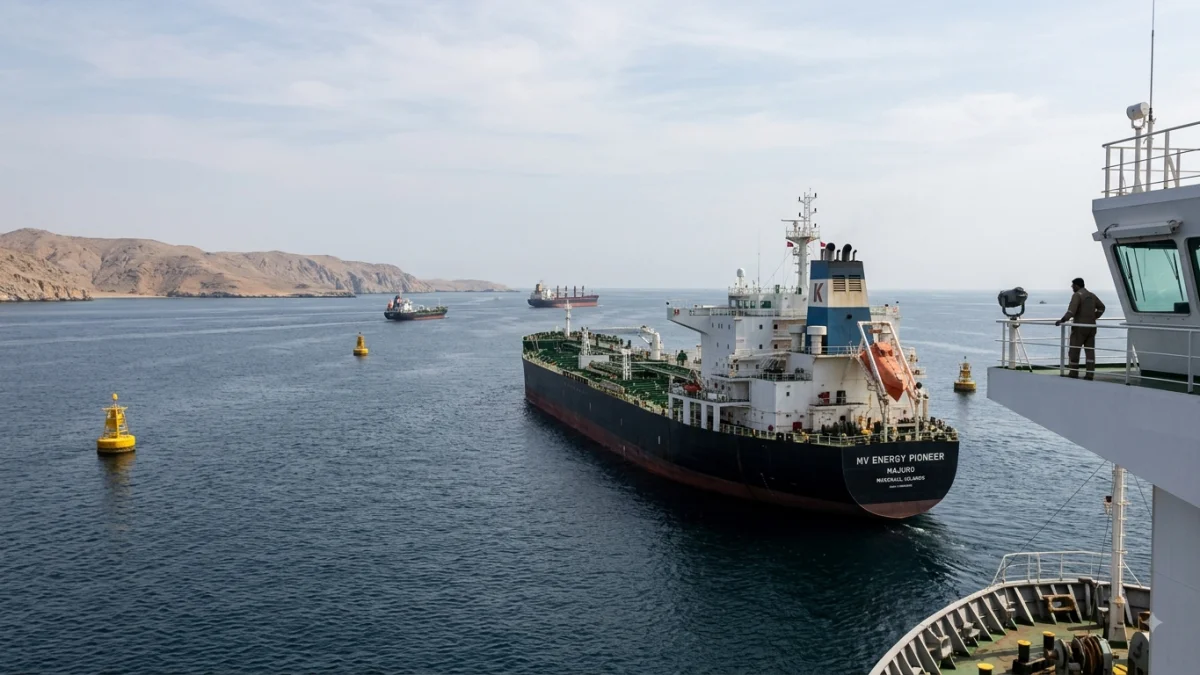
The disruption already visible in 2026 illustrates why the distinction between an officially open waterway and a commercially usable one matters. EIA data show that oil flows through Hormuz averaged 14.6 million barrels per day in the first quarter of 2026, down from more than 20 million barrels per day in each quarter of 2025. Crude and condensate flows averaged 10.7 million barrels per day, while petroleum-product flows averaged 3.9 million barrels per day. LNG movements also fell substantially.
The trajectory has also demonstrated how quickly market expectations can change when security conditions improve or deteriorate. In July, EIA said shipping traffic had increased after a June memorandum of understanding between Washington and Tehran aimed at ending the conflict and reopening Hormuz. The agency subsequently expected global oil production and trade flows to move toward pre-conflict levels by the end of the year. The renewed confrontation has made that outlook more uncertain.
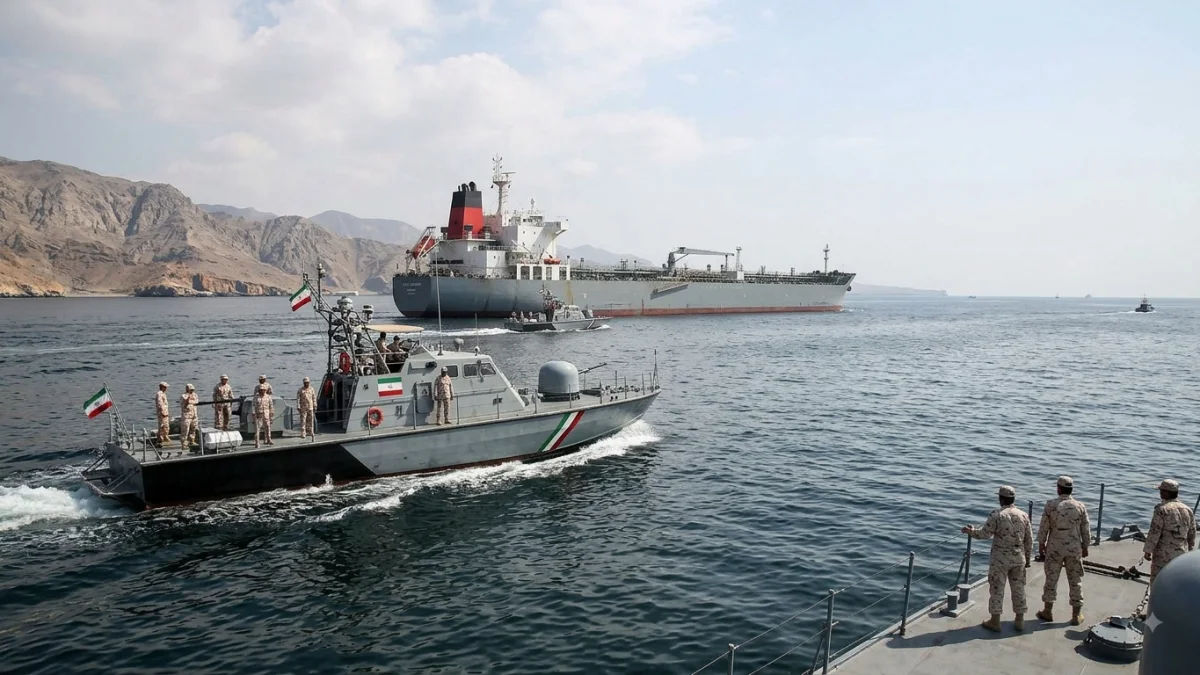
Trump’s description of U.S. control reflects Washington’s military position and its stated ability to restrict or permit shipping. The White House has previously described the U.S. naval blockade as preventing unauthorized vessels from passing and argued that American forces possess the capability to monitor and control traffic. But Iran’s continuing ability to threaten shipping, coupled with the decisions of commercial operators, complicates any simple definition of control.
For shipowners, the relevant question is whether a voyage can be insured and completed without unacceptable risk. The International Maritime Organization has repeatedly warned that the security environment around Hormuz remains volatile. In July, the IMO condemned attacks on commercial vessels and urged operators to avoid exposing crews to unnecessary danger while adequate security could not be assured. The organization has also recorded dozens of confirmed incidents involving ships in and around the waterway and reported fatalities among seafarers.
That risk can affect oil markets even when some tankers continue to move. Operators may delay departures, alter routes, seek additional security assurances or demand higher insurance premiums. Such decisions reduce the effective capacity of the waterway without requiring mines or a formal blockade to stop every vessel. They also make oil prices more sensitive to new incidents because traders must assess not simply how much crude exists, but how reliably it can reach refineries.
The dispute also has a legal and diplomatic dimension. The IMO Council has reaffirmed that transit passage through international straits should not be threatened, impeded or denied, while stressing that measures regulating shipping must comply with international maritime rules. That framework does not resolve the competing U.S. and Iranian claims, but it underscores why military control, operational access and internationally recognized navigation rights are separate questions.
The immediate uncertainty therefore concerns whether the competing claims will translate into a sustained restoration of commercial traffic or continued restrictions and risk. Washington and Tehran have not resolved their broader dispute over the terms for reopening the strait, and Iranian officials say negotiations have made no progress. For energy markets, the key indicators to monitor are verified tanker movements, the security status issued by maritime authorities, the level of oil and LNG exports through Hormuz, and any formal agreement establishing reliable conditions for navigation. Until those indicators show sustained improvement, Trump’s assertion of control will remain only one part of a larger and unresolved question: whether the world’s most strategically important oil chokepoint can function consistently enough for global energy markets to treat it as dependable.