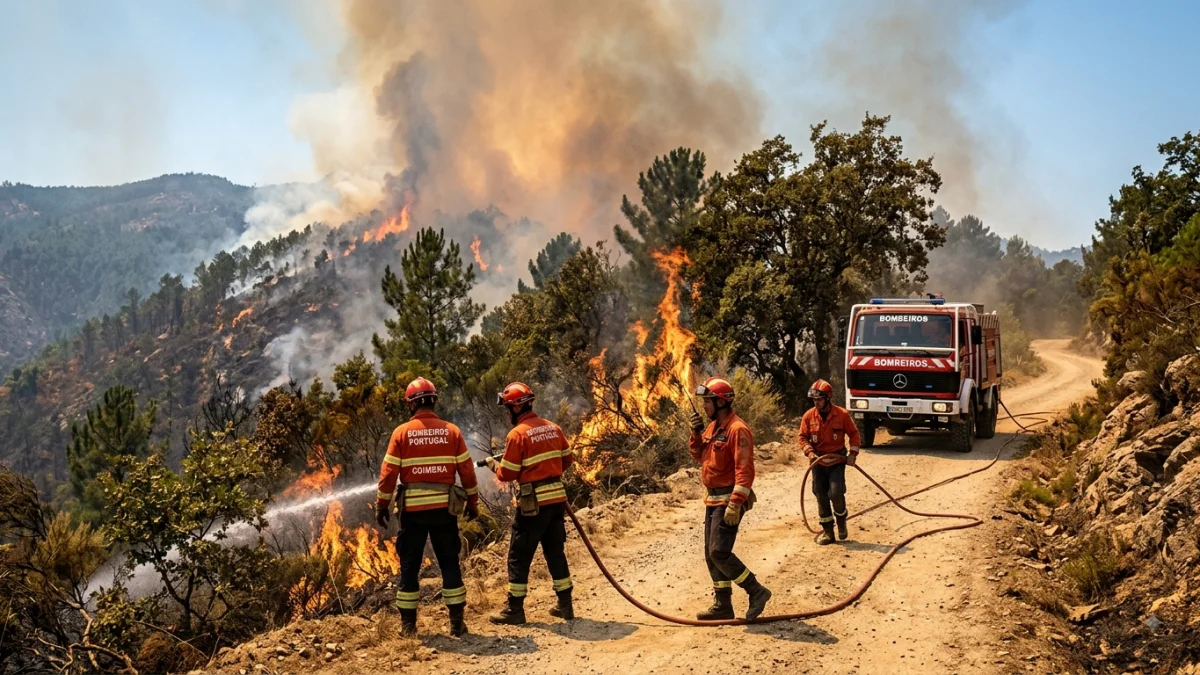


Europe’s record-breaking heat and worsening drought are turning what was once largely a southern European wildfire problem into a broader continental emergency, with fires now forcing evacuations, damaging homes and stretching firefighting capacity from the Mediterranean to Britain and Germany.
The latest outbreaks in France, Croatia, Greece and western Germany, alongside record wildfire levels in England and Wales, show how prolonged heat and depleted soil moisture are creating conditions in which fires can spread rapidly across regions not traditionally associated with severe wildfire seasons. The European Commission’s Joint Research Centre said on Aug. 12 that drought had affected large parts of Europe since spring and warned that warmer and drier conditions could persist into September, maintaining the risk of further heatwaves and fires.


The immediate trigger for individual fires varies, and European authorities continue to investigate causes in specific cases. But the background conditions are increasingly consistent: unusually high temperatures, prolonged rainfall deficits, dry vegetation and, in some areas, strong winds. The European Environment Agency says human activity starts most European wildfires, while climatic conditions largely determine how intensely fires burn and how far they spread. It also warns that high-fire-danger days are expected to increase, particularly in southern Europe but increasingly in central parts of the continent as well.
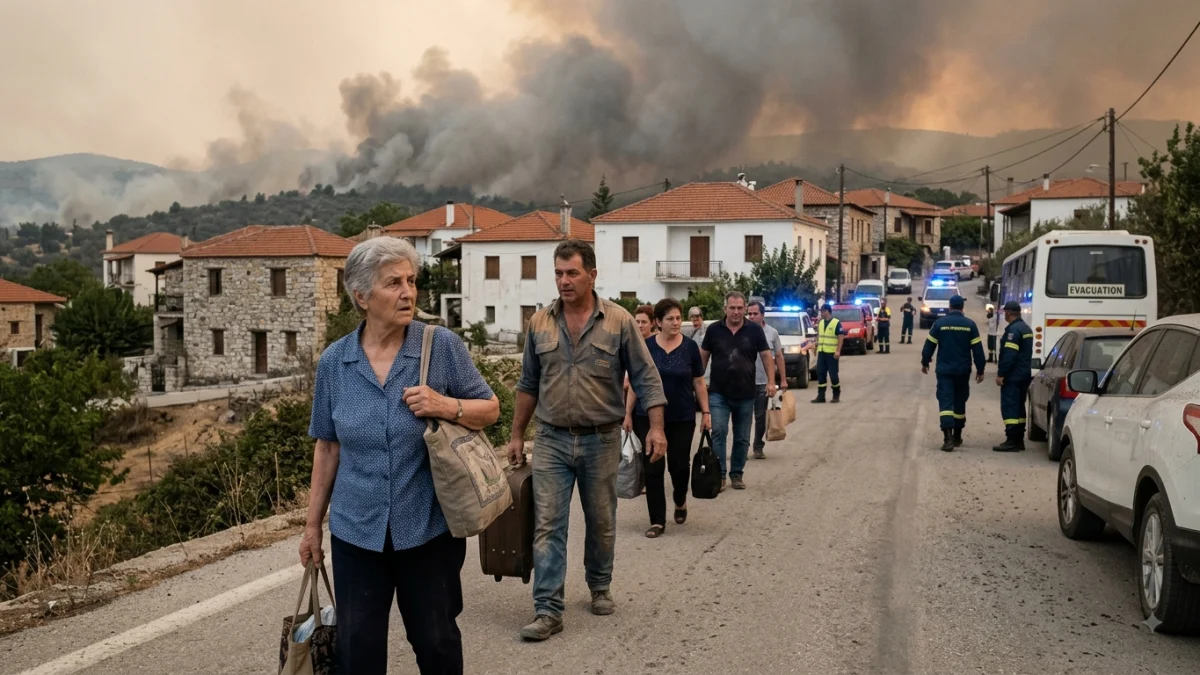
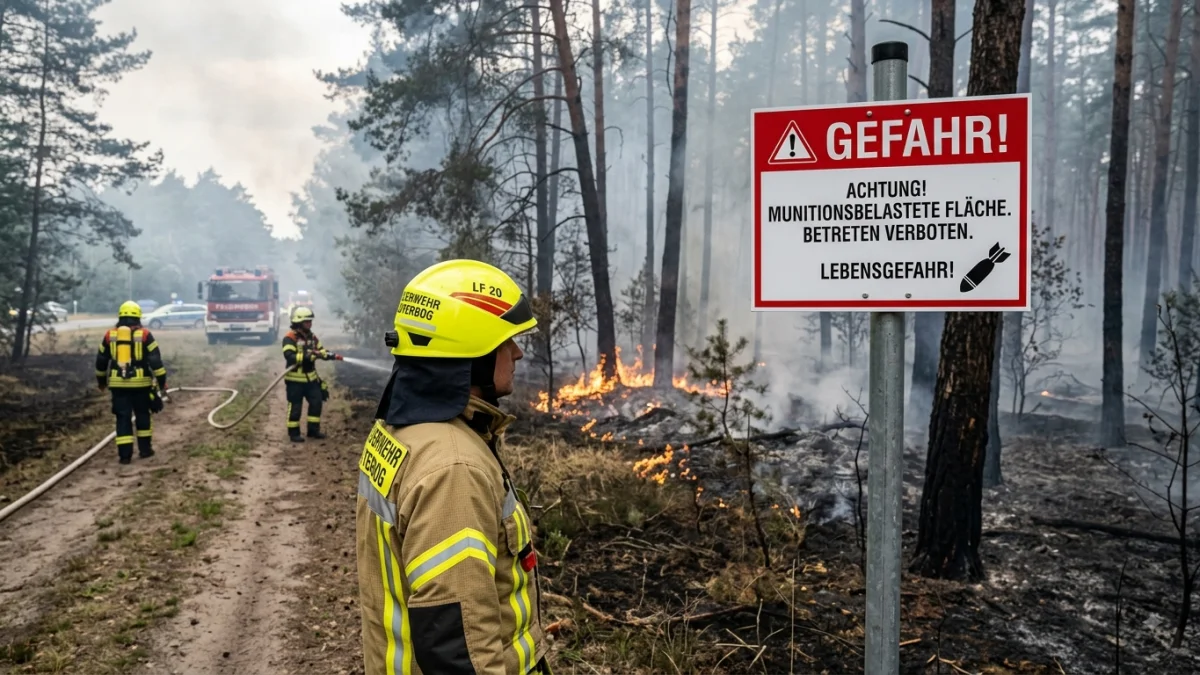
The geographical spread this summer illustrates that shift. In Croatia, a wildfire near Omis forced about 1,000 people to evacuate, while dozens were treated and 14 hospitalized, according to health officials. More than 2,000 people were evacuated from an area of western Germany after a fire approached a village near the Belgian border. In France, authorities evacuated 525 people from Luglon in the Landes region, near areas already heavily affected by fires. Greece also evacuated hundreds of holidaymakers from a beach area in Halkidiki.
Britain provides a particularly significant indicator of how the fire-risk geography is changing. England and Wales have already exceeded the previous annual record of 1,017 wildfires set in 2025, according to Phil Garrigan, chair of the National Fire Chiefs Council. Britain recorded 38.1 degrees Celsius in London on Aug. 13, the country’s fifth-hottest day on record, while about 45 million people were living in drought-affected areas and 27 million faced water-use restrictions, according to government figures. Fire chiefs said demand for emergency support had at times exceeded the capacity of fire and rescue services.
The broader climate signal is also becoming harder to separate from individual fire events. Copernicus data show that June 2026 was Europe’s second-warmest June on record, while western Europe experienced its warmest June in the ERA5 record, with temperatures averaging more than 3 degrees Celsius above the 1991-2020 baseline. Copernicus also linked widespread dryness in June with increased drought and wildfire risk, particularly on the Iberian Peninsula.
The World Meteorological Organization says the current European heat is being amplified by a combination of persistent high-pressure systems, warmer seas and parched soils. John Kennedy, the agency’s head of climate information, said extreme heat is becoming more frequent, intense, longer-lasting and more geographically extensive as the planet warms. He noted that while atmospheric patterns this year resemble some seen during the exceptionally hot summer of 1976, the baseline climate is now substantially warmer.
That distinction matters for wildfire preparedness. Fire seasons are becoming less dependent on short, isolated heatwaves and more dependent on cumulative drying. Once soils and vegetation lose moisture over weeks or months, even a relatively brief temperature spike can produce dangerous fire-weather conditions. The result is a wider operational burden for governments: emergency services must protect populated areas, maintain evacuation capacity and secure water supplies while simultaneously responding to multiple fires across distant regions.
The consequences extend beyond forests and residential areas. Europe’s drought is already affecting river transport, agriculture and power generation. Reuters reported that low water levels on the Rhine and Danube were restricting cargo traffic and that several nuclear generators had reduced or halted production because of cooling difficulties. Crop estimates for maize and sunflower had also been reduced as drought and heat damaged yields.
The immediate priority remains containment, evacuation and protection of critical infrastructure as authorities monitor fire danger and weather conditions. The European Commission is forecasting continued heat and dryness into September, although the precise location and intensity of future fires remain uncertain. What is confirmed is that the 2026 season has exposed a wider European vulnerability: extreme heat and drought are creating fire conditions across a larger part of the continent, increasing pressure on emergency services and infrastructure while leaving governments to manage a risk that can now persist well beyond the traditional peak of the Mediterranean wildfire season.