

MOSCOW — Russia is accelerating the deployment of a homegrown low-Earth-orbit satellite internet network intended to provide an alternative to SpaceX’s Starlink, with Ukrainian military intelligence saying the system could become operational at scale as Moscow seeks greater independence from foreign communications technology.
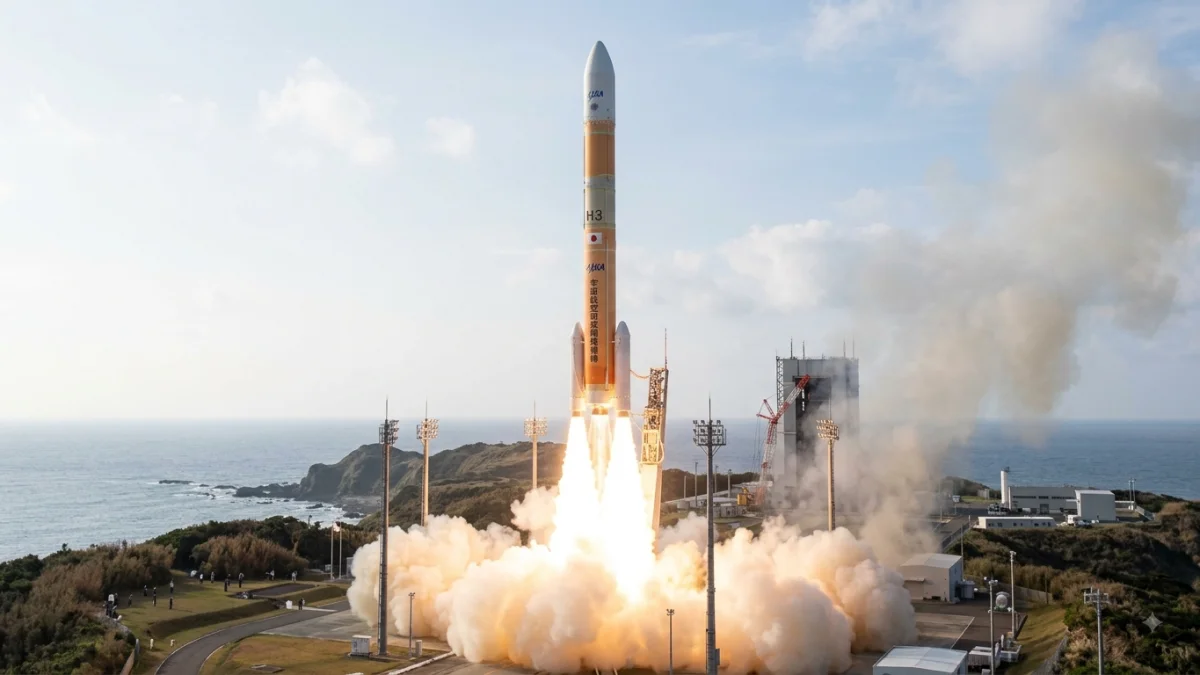
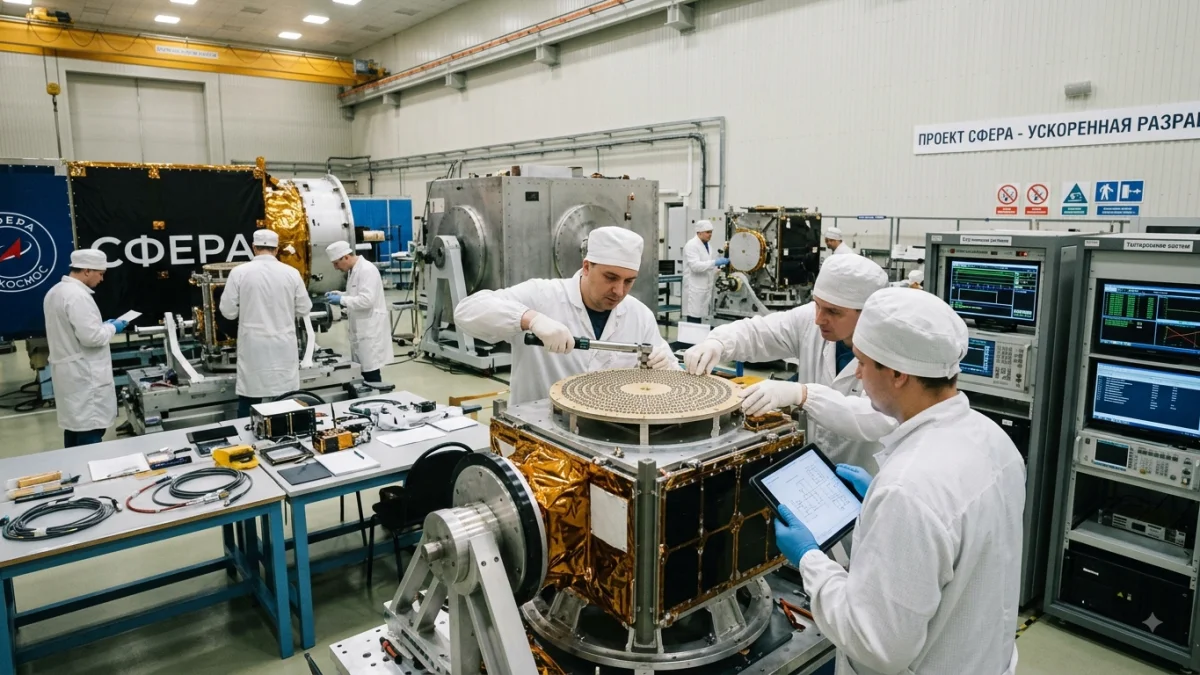
The network, known as Rassvet, is being developed by Russian aerospace company Bureau 1440. The company launched 16 production satellites into orbit in March, marking the first major deployment of the planned constellation.


Ukraine’s military intelligence chief, Major General Vadym Skibitskyi, said Russia currently has 16 Rassvet satellites in orbit and is targeting 292 satellites by 2027 and 924 by 2035. He said the network was already operating intermittently, although its capabilities remain limited while the constellation is being built.
The development has gained importance as Russia has sought to reduce its dependence on Starlink, which has been widely used by Ukrainian forces for communications during the war. Kyiv has lobbied SpaceX to restrict unauthorized Russian use of Starlink terminals, making an independent satellite communications system a strategic priority for Moscow.
Rassvet is designed to provide broadband connectivity from low Earth orbit. Bureau 1440’s published plans call for 156 satellites during 2026 and 292 in 2027, with further expansion thereafter. Russian project documents have outlined a constellation of more than 900 satellites by 2035.
The program has faced delays. The first production launch, originally expected in 2025, took place in March 2026. Bureau 1440 has previously said its work was proceeding in line with target timelines while declining to disclose sensitive launch dates.
One of the 16 satellites launched in March was subsequently reported lost. Bureau 1440 confirmed that loss while saying other satellites from the initial production batch remained in orbit.
The Russian system remains far smaller than Starlink, which has deployed thousands of satellites and operates a mature commercial service. Rassvet is still in the deployment and testing phase, and its ability to provide comparable coverage and capacity has not been independently established.
For now, Russia’s latest confirmed milestone is the March launch of the first 16 production satellites, while Moscow’s stated roadmap calls for continued launches through 2026 and commercial service beginning in 2027.