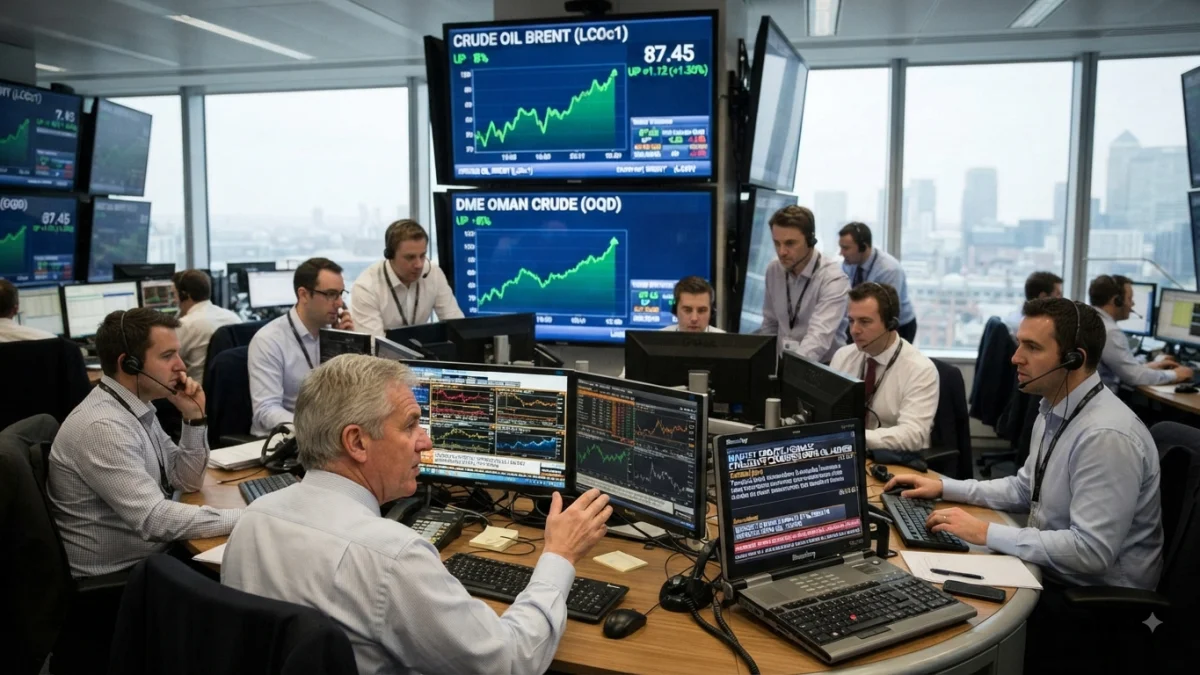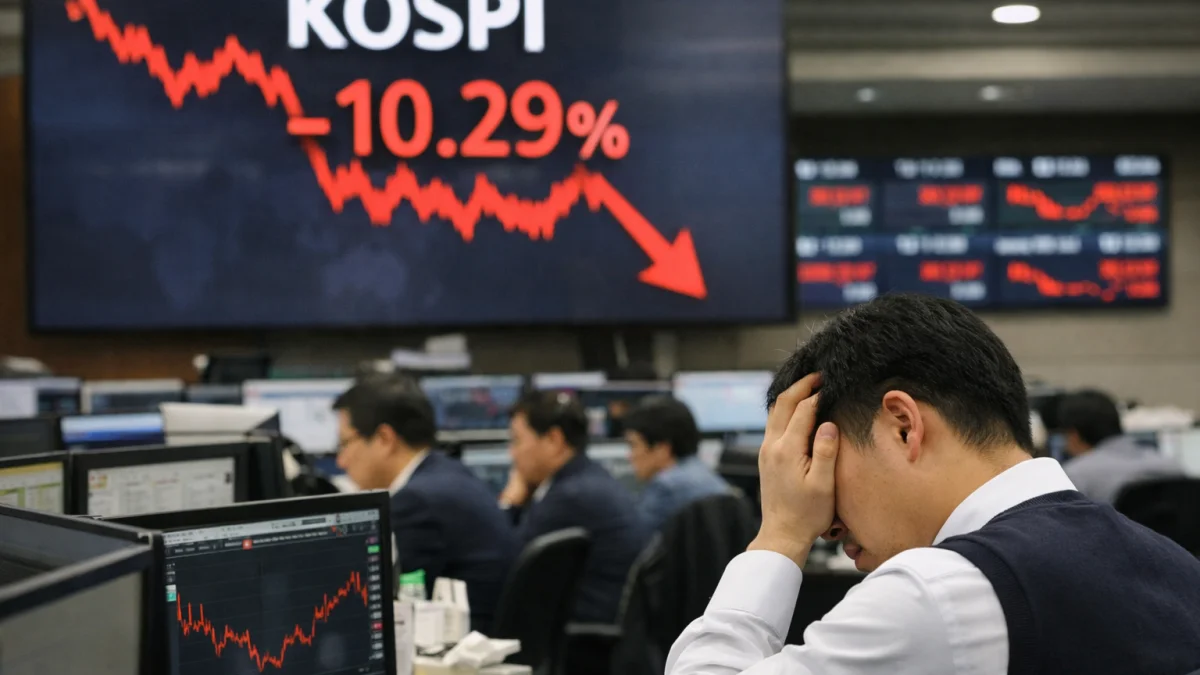


SEOUL — South Korea’s benchmark Kospi stock index fell sharply on Tuesday, June 23, 2026, dropping nearly 10% and triggering an automatic circuit breaker that temporarily halted trading, according to the Korea Exchange. The decline came as major technology and semiconductor shares faced heavy selling pressure, with investors moving out of large-cap stocks.
The Korea Exchange said the market’s circuit breaker was activated after the Kospi fell beyond the required threshold, suspending trading for a period before activity resumed. The exchange uses the mechanism to temporarily pause transactions during steep market moves.


Shares of major chipmakers were among the biggest decliners during the session. Reuters reported that Samsung Electronics and SK Hynix both recorded significant drops as foreign investors sold shares of leading technology companies.
The market decline followed a period of strong gains for South Korean stocks, particularly in semiconductor-related companies. The sharp reversal came after financial regulators raised concerns about risks linked to leveraged exchange-traded funds connected to major chip stocks, according to Reuters. Details on the full range of factors behind the move remain unclear.
South Korea’s financial authorities have previously monitored increased volatility in equity markets and the use of leveraged investment products. The circuit breaker system is designed to provide a temporary pause during periods of rapid market declines, allowing investors time to reassess orders and market conditions.
“The circuit breaker is a measure that halts stock market trading” when the index meets the required decline conditions, the Korea Exchange said in explaining the mechanism.
Market participants closely watched movements in semiconductor shares because of their importance to the Kospi. The index has a significant weighting toward large technology companies, making sharp moves in those stocks influential on overall market performance.
The Korea Exchange later resumed trading after the temporary halt, with investors continuing to monitor stock movements and market liquidity. Authorities did not immediately announce additional measures beyond the existing market stabilization mechanisms.