

The renewed confrontation between the United States and Iran over the Strait of Hormuz has become a test not only of military resolve but also of the resilience of the global energy system. The latest escalation followed renewed U.S. airstrikes against Iranian coastal defenses, missile sites and other military targets after Washington reimposed a naval blockade on Iranian ports, while Tehran responded by warning that it could halt regional energy exports and broaden attacks against shipping. Both governments have signaled their willingness to continue military operations even as each says diplomacy remains possible.
The significance of the latest developments extends well beyond the immediate battlefield. The Strait of Hormuz remains one of the world's most strategically important maritime chokepoints, carrying a substantial share of internationally traded crude oil and liquefied natural gas. Even limited disruptions to commercial navigation can rapidly affect energy markets, shipping costs, insurance premiums and broader inflation expectations. The renewed exchange demonstrates how quickly fragile arrangements governing maritime security can unravel despite earlier diplomatic efforts.


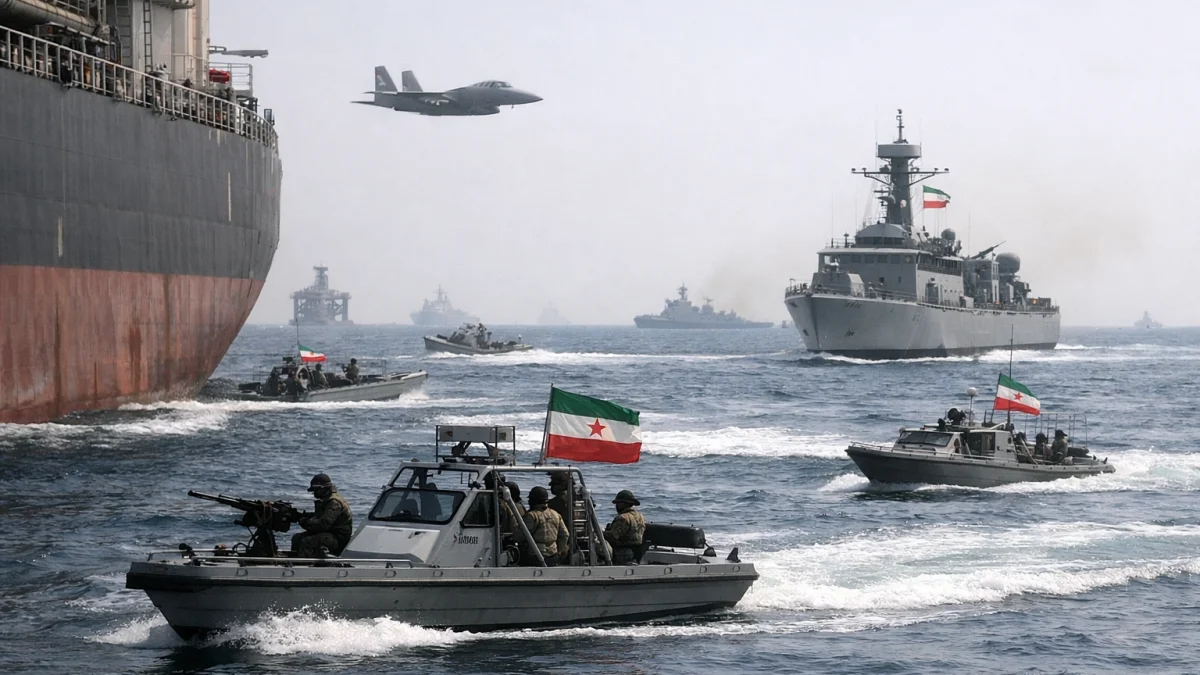
The current crisis also illustrates the limits of military control over the waterway. U.S. operations have sought to degrade Iran's capability to threaten commercial shipping by targeting missile launchers, drones, radar installations and coastal defenses. According to U.S. officials, these operations are intended to preserve freedom of navigation and deter further attacks on merchant vessels. Iran, however, retains sufficient asymmetric capabilities—including drones, anti-ship missiles, naval forces and mines—to continue imposing significant risks on commercial traffic without achieving a complete physical blockade.
This asymmetry explains why even isolated attacks can produce outsized economic consequences. Maritime security specialists note that commercial shipping depends less on absolute military control than on acceptable levels of operational risk. Tanker operators, insurers and charter companies respond quickly to uncertainty, often rerouting vessels or delaying voyages following isolated incidents. As a result, the economic impact of attacks may exceed their immediate military significance.
The latest escalation follows the apparent collapse of a ceasefire framework negotiated only weeks earlier. That agreement had enabled a gradual return of shipping through the Strait of Hormuz while leaving unresolved disagreements over how transit would be managed. Analysts have pointed to differing interpretations of those arrangements as an important factor behind renewed confrontation. Washington has maintained that international navigation should remain unrestricted, while Tehran has argued for greater authority over shipping movements through waters it considers central to its security interests.
The breakdown of those understandings demonstrates the difficulty of separating military de-escalation from broader political disputes, particularly over Iran's nuclear program and regional security. Reuters has reported that the latest U.S. strikes were designed not only to weaken Iran's military capabilities but also to increase Washington's leverage for possible future negotiations. At the same time, Iranian officials have framed the conflict as an existential confrontation while continuing to leave open the possibility of diplomatic engagement.
Energy markets have thus far demonstrated greater resilience than many analysts initially anticipated. Existing commercial inventories, strategic petroleum reserves and increased production from other exporting regions have helped cushion the impact of supply disruptions. Nevertheless, analysts caution that these buffers are finite. A prolonged interruption of Hormuz traffic could gradually tighten global supply, particularly if additional regional export routes become vulnerable or insurance costs continue to rise.
The confrontation also carries broader geopolitical implications. Gulf Arab states hosting U.S. military forces face increasing security risks as Iran expands the range of potential retaliatory targets. Regional governments must balance their security partnerships with Washington against concerns that further escalation could expose critical energy infrastructure and commercial facilities to attack. International shipping companies, meanwhile, remain dependent on multinational naval protection while seeking greater clarity about transit conditions through the Gulf.
For global policymakers, the crisis underscores longstanding concerns about dependence on a single maritime chokepoint for energy supplies. Governments have invested for years in strategic reserves, pipeline diversification and alternative export routes, but the Strait of Hormuz remains indispensable for a significant portion of Middle Eastern oil and gas exports. The renewed fighting therefore serves as another reminder that geopolitical risks can rapidly translate into worldwide economic consequences even without a complete closure of the waterway.
The confirmed situation remains fluid. The United States continues military operations intended to reduce Iran's capacity to threaten commercial shipping, while Iran maintains that it is prepared to respond militarily and has warned of broader disruptions to regional energy exports. Commercial navigation through the Strait of Hormuz remains subject to heightened security risks, and governments, energy markets and maritime authorities are closely monitoring shipping activity, military operations and any renewed diplomatic contacts that could reduce tensions.