

NEW YORK — The Conference Board’s Leading Economic Index for the United States rose modestly in May, marking the second consecutive monthly gain amid mixed signals for the broader economy.
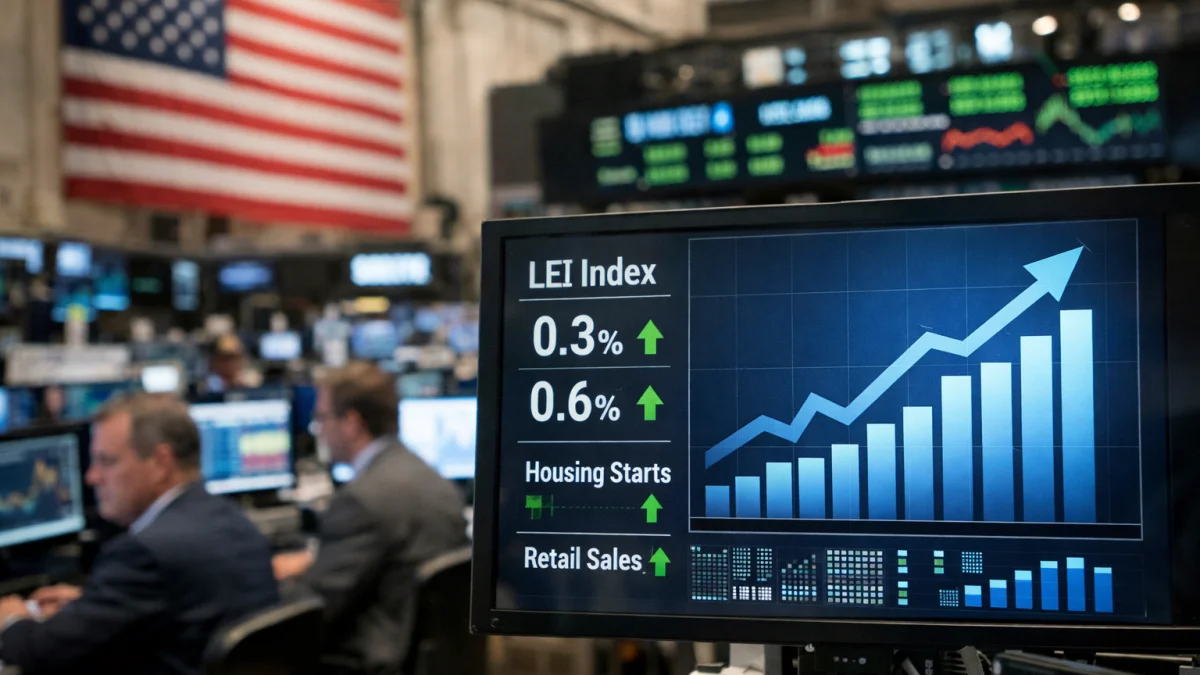
The index increased 0.1 percent in May to 99.3 (2016=100), following a 0.2 percent rise in April, the organization reported on Thursday. The modest uptick came as financial components provided support while consumer-related measures remained weak.


“The Leading Index for the US increased slightly in May, fueled entirely by positive contributions from financial components, especially stock prices and the interest rate spread,” Justyna Zabinska-La Monica, senior manager of business cycle indicators at The Conference Board, said in a statement.
On the non-financial side, only the ISM New Orders Index showed strength, with consumer expectations continuing to act as a drag, according to the report. Despite the two consecutive increases, the LEI declined 0.3 percent over the six months through May, a slower pace of contraction than the 1.3 percent drop in the prior six-month period.
The coincident economic index, which tracks current conditions, rose 0.2 percent in May to 114.6, with all components contributing positively. The lagging index dipped 0.1 percent.
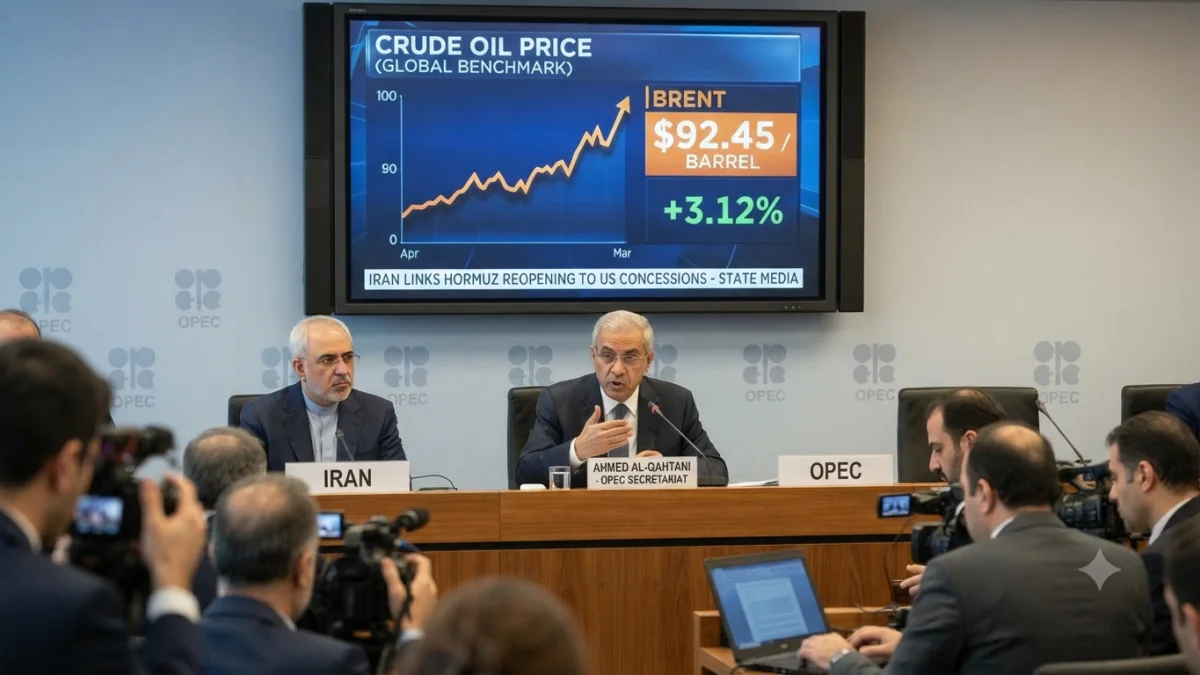
The developments come against a backdrop of ongoing economic pressures, including elevated energy costs linked to earlier disruptions in global oil markets. The Conference Board projects U.S. GDP growth of about 1.8 percent for 2026, down from 2.1 percent in 2025.
Economists monitor the LEI for signals on the business cycle. The index comprises 10 components, including average weekly hours in manufacturing, initial claims for unemployment insurance, new orders for consumer goods, building permits, and stock prices.
U.S. officials have pointed to strength in business investment, particularly in artificial intelligence infrastructure and technology, as a supporting factor. However, higher costs for gas and energy have squeezed household budgets, limiting consumer spending on discretionary items.
As of Thursday, markets showed limited immediate reaction to the data, with traders also watching developments in international trade and energy flows. The report provides a snapshot but does not capture potential shifts from ongoing geopolitical negotiations.
The next LEI release is scheduled for mid-July. Details on individual component contributions beyond those highlighted remain subject to further review in the full report.