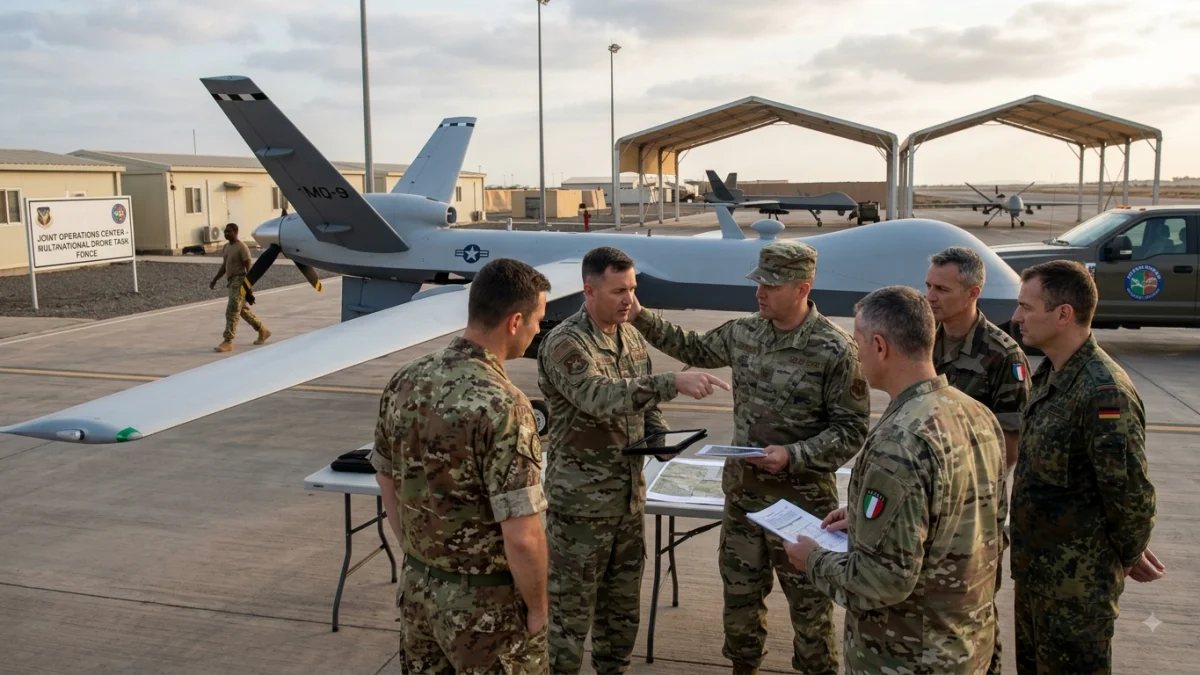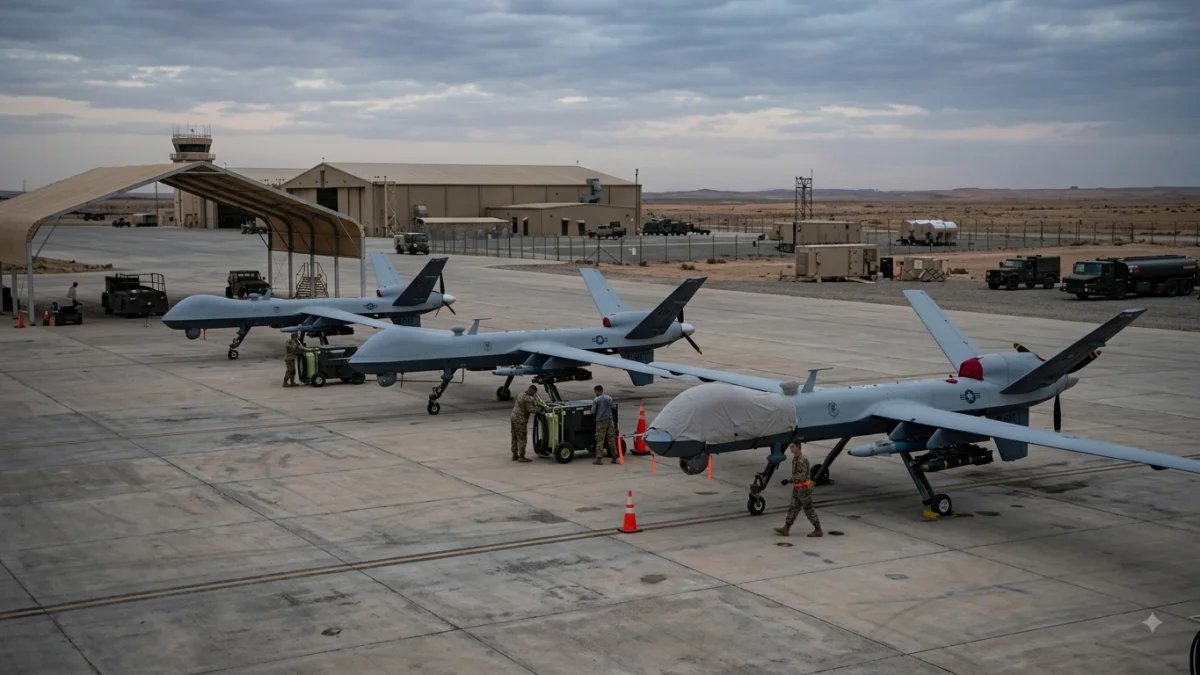


WASHINGTON — The U.S. Air Force has lost roughly one quarter of its MQ-9 Reaper drone fleet since the start of fiscal 2026, with combat losses during the war with Iran reducing its inventory to about 135 aircraft, according to Air Force testimony and congressional research.
The losses have left the service well below its longstanding target of 189 Reapers. Lt. Gen. David Tabor, the Air Force deputy chief of staff for plans and programs, told a Senate Armed Services subcommittee in May that the remaining fleet could still support 56 combat lines worldwide, while the service sought to replace aircraft lost in operations.


The Air Force had 165 MQ-9s at the beginning of fiscal 2026, according to official figures cited in defense reporting. The current fleet of about 135 therefore represents a reduction of roughly 18% from that starting inventory. The broader loss is greater when measured against the service's earlier 189-aircraft minimum, which the current fleet falls short of by about 54 aircraft.
The Congressional Research Service has attributed 24 MQ-9 losses to Operation Epic Fury, the U.S.-Israeli campaign against Iran that began on Feb. 28. A CRS-based tally reported in May said the Reapers were among at least 42 U.S. military aircraft lost or damaged during the operation.
The attrition has prompted the Air Force to pursue both immediate replacements and a longer-term successor. Tabor told lawmakers the service was examining options to acquire available MQ-9s, while Air Force officials have also advanced requirements for a cheaper, more easily mass-produced unmanned aircraft designed to operate in heavily defended airspace.
The Air Force's next-generation effort reflects a shift toward aircraft that can be produced in larger numbers and tolerated at higher rates of combat loss. In July, the Defense Innovation Unit solicited proposals for a Massed Modular Aircraft intended to perform missions including intelligence gathering, strike and electronic warfare.
The MQ-9 remains a major U.S. intelligence, surveillance and strike platform. Air Force Chief of Staff Gen. Kenneth Wilsbach told lawmakers in May that it had been the service's most heavily used aircraft during the Iran operation. The Senate Armed Services Committee has separately backed legislation directing the Air Force to rebuild its MQ-9 inventory by 2028.